Paxlovid for Covid: How to take it
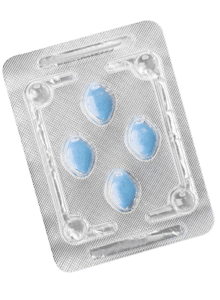
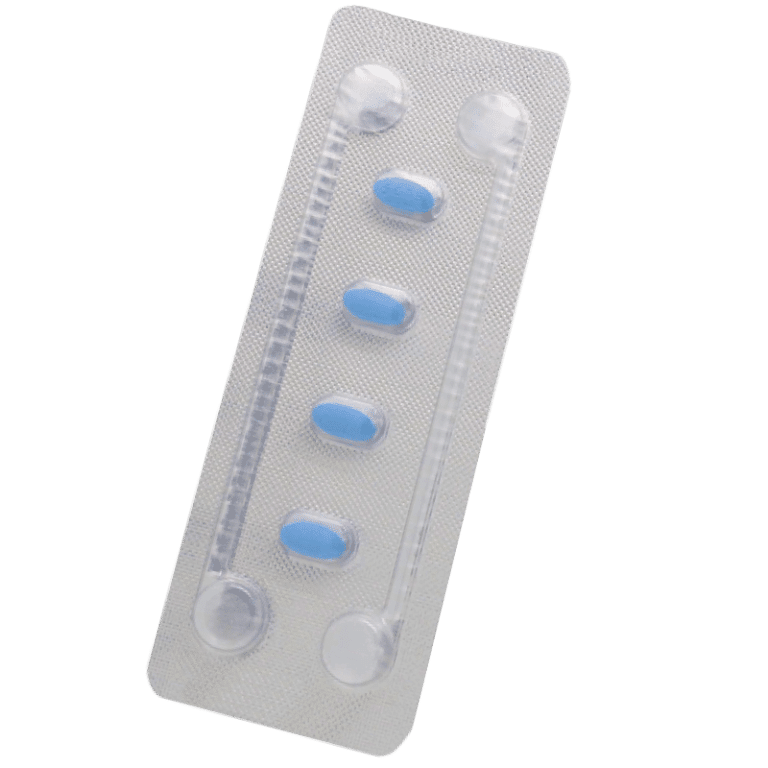
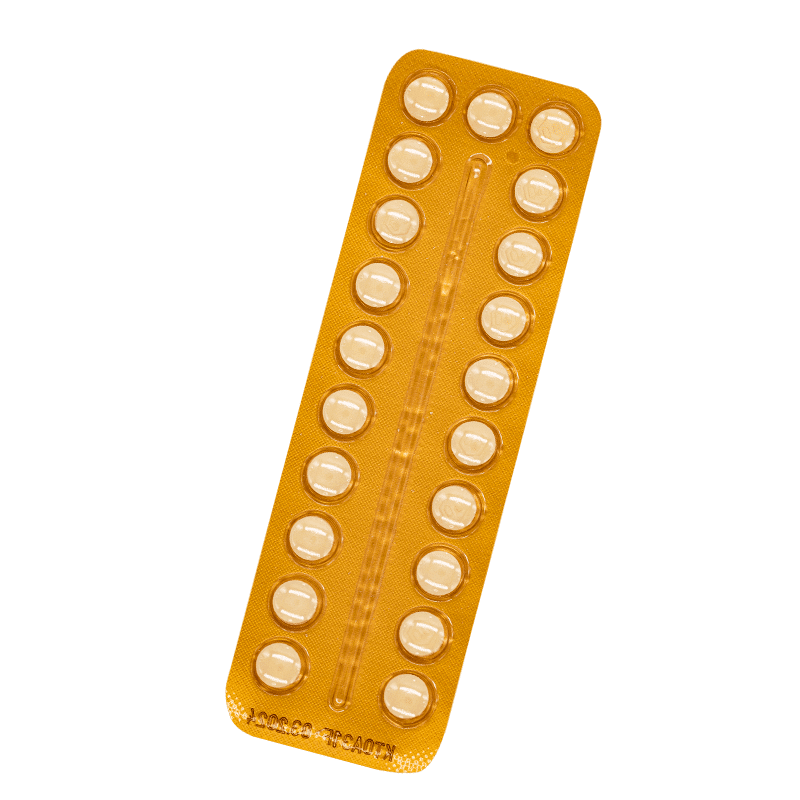
In your medication, you’ll get two types of tablet: nirmatrelvir and ritonavir.
Your physician will give you specific instructions on how to take Paxlovid, but the general directions are to:
- take two nirmatrelvir tablets and one ritonavir (three tablets in total) twice a day, for five days continuously;
- swallow your tablets whole with water;
- space your doses out evenly if you can, taking one dose in the morning and one in the evening, 12 hours apart.
The tablets don’t need to be taken alongside food.
If you miss a dose, you can take it when you remember so long as it’s been less than eight hours since the missed dose. If it’s been more than eight hours, skip the one you missed and take your next dose at the usual time.
What is the usual Paxlovid dose for COVID?
The treatment only comes in one dose: 150mg nirmatrelvir and 100mg ritonavir. To treat Covid, you’ll take two nirmatrelvir tablets and one ritonavir tablet as a single dose, twice daily, for five days.
If you take Paxlovid and you don’t feel better at the end of your course, or if your symptoms get worse, speak to a doctor as soon as possible. You may be recommended a different treatment, or be advised to go to hospital.
How long does Paxlovid take to work?
Paxlovid starts working straight away, so you should begin to feel the benefits after just a couple of doses. The sooner you start taking it after a positive test result, the more effective it’s likely to be. It’s important to finish your course of Paxlovid even if you start to feel better before the end of the five days you’re taking it.
Nirmetralvir alone has quite a short half-life of two hours, but lasts longer in the body when given alongside ritonavir (increasing the half-life to seven hours).[1]
Can Paxlovid be taken for mild symptoms?
Paxlovid is intended for use in people who have a Covid infection and have mild-to-moderate symptoms. The drugs in Paxlovid help to prevent the virus developing and symptoms becoming worse. If you have severe symptoms, you may be advised to use a different treatment, or even be admitted to hospital.
Can I take Paxlovid during pregnancy?
It isn’t known if Paxlovid is safe to use during pregnancy, so it’s very unlikely a doctor will recommend it for you if you’re expecting a child or trying to conceive. If you’re breastfeeding, it’s important to let your physician know before you take it. Breastfeeding isn’t recommended during the five day course of Paxlovid, or for seven days afterwards.
Can Paxlovid interact with other drugs?
Some medications may interact with Paxlovid, so it’s important to tell your doctor which other treatments you’re using before taking it.
Some possible Paxlovid drug interactions include: amphetamine derivatives, medications used to treat pain, heart or blood pressure medications, anti-cancer drugs, anticoagulants, epilepsy treatments, allergy medicines, antidepressants, antibiotics, antifungals, antivirals used in HIV and hepatitis C, immunosuppressants, sedatives, corticosteroids, erectile dysfunction treatments, hormonal contraception like the pill or patch, or thyroid medications.
Read the leaflet that comes with your medication for a full list of Paxlovid drug interactions.
What contraindications are there for Paxlovid?
You might be advised not to use Paxlovid if you have liver or kidney disease. Tell your clinician if you’ve ever had either of these, or any other health conditions, before taking it.
If you’ve got a health condition being treated with a drug that could interact with Paxlovid, then your clinician might advise against taking Paxlovid.
Can I drink alcohol while taking Paxlovid?
There aren’t any known interactions between Paxlovid and alcohol, but Paxlovid hasn’t been available for very long. If you have Covid, it’s usually recommended to avoid drinking alcohol if you can, because consuming alcohol might slow down your recovery from the virus.
When should I test after taking Paxlovid?
You’re free to test any time, but it’s recommended that you finish the course of Paxlovid even if you test negative before the end of the five days. If you test positive after completing the course, let your physician know. It’s possible you’ll need to isolate for a few days until you test negative again, and your physician may suggest keeping your symptoms under review and seeking further treatment if they get any worse.