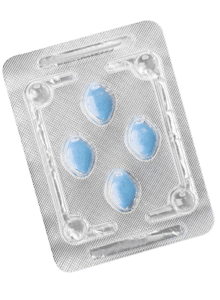
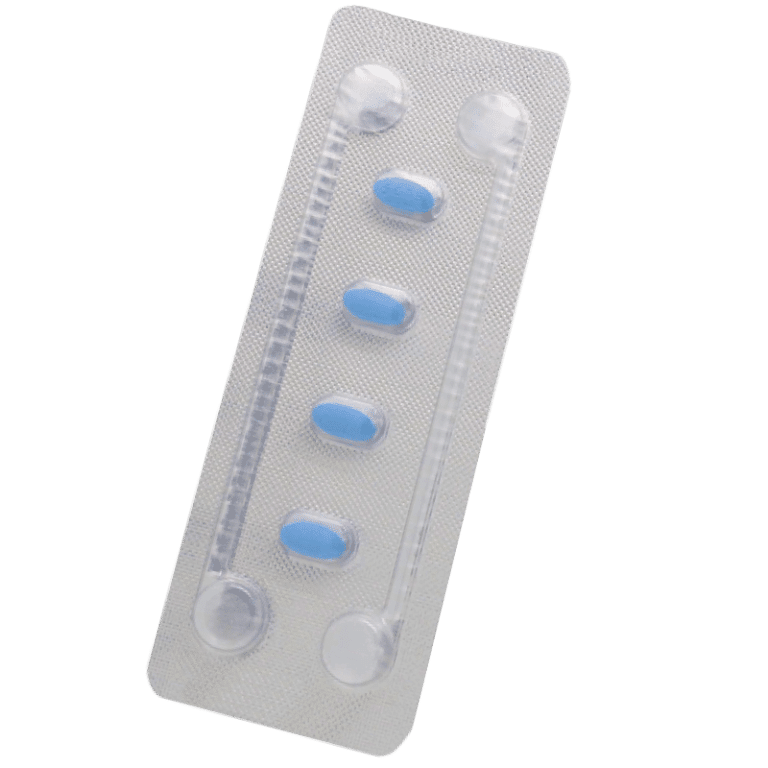
What is Olumiant?
Olumiant is a daily tablet that can help restore hair lost due to alopecia areata over a period of around nine months (although results can become visible as early as after 24 weeks). Alopecia is caused by an overactive immune response targeting hair follicles, which prevents the follicles from leaving the resting phase. Olumiant interferes with inflammatory proteins that target these hair follicles, helping to reduce the immune response and restore lost hair.
How does Olumiant work?
Olumiant helps to treat alopecia by targeting inflammatory proteins called Janus kinase (also known as JAK), reducing their activity. These proteins play a role in the overactive immune response that tells your immune system to mistakenly attack hair follicles. JAK proteins transmit the inflammatory messages between your immune cells and hair follicles, which prevents the hair follicles from leaving their resting phase, causing hair to shed.[1]
By reducing the activity of JAK proteins, Olumiant can help stop your immune system from attacking hair follicles, allowing them to move past the resting phase and regrow hair – relieving symptoms of alopecia.[2]
How do Olumiant doses work?
Olumiant comes in two doses to treat alopecia areata: a 2 mg tablet and a 4 mg tablet.
You’ll usually take one 2 mg tablet each day. If you have extensive hair loss though, your doctor may increase the dose to 4 mg daily, unless:
- You’re over 65 years old.
- You have reduced kidney function.
- You have an increased risk of infections, blood clots, cardiovascular events, or cancer.
What is the active ingredient in Olumiant?
Olumiant’s active ingredient is a Janus kinase inhibitor called baricitinib. Baricitinib helps calm the body’s overactive immune response by reducing the activity of inflammatory proteins called Janus kinase (JAK).
How we source info.
When we present you with stats, data, opinion or a consensus, we’ll tell you where this came from. And we’ll only present data as clinically reliable if it’s come from a reputable source, such as a state or government-funded health body, a peer-reviewed medical journal, or a recognised analytics or data body. Read more in our editorial policy.