VerifiedFact Checked
What could be causing my hyperpigmentation?

What could be causing my hyperpigmentation?

Several factors can cause hyperpigmentation, including post-acne scarring, the birth control pill, pregnancy, and skin damage.

Find out how these factors can cause hyperpigmentation by reading this guide.

Craig Marsh
Medically reviewed by
Craig Marsh, Clinical Reviewer
Go to
Reviewed on Sep 15, 2026. by Mr Craig Marsh Clinical Reviewer Registered with GPhC (No. 2070724) Next review due on Sep 15, 2029.
Craig

Last updated on Oct 09, 2026.

Was this article useful?

How does pregnancy cause hyperpigmentation?

Hyperpigmentation is a common condition that occurs during pregnancy, affecting up to 90% of women. There are different ways this hyperpigmentation can appear, such as melasma, which causes dark, brown patches on the face.

There are also a few different ways it can present itself in pregnant women. Chloasma generally appears on the face, whereas another type, linea nigra, is a dark line that runs from the pubic area to the belly button. Some pregnant women may also experience pigmentation changes around their stomach and nipples.

The exact cause of hyperpigmentation isn’t known, but it’s believed to be caused by hormonal changes. Estrogen and progesterone stimulate melanocytes (the cells that produce pigment) to overproduce melanin, resulting in dark, uneven patches.

Another hormone involved in pregnancy hyperpigmentation is melanocyte-stimulating hormone (MSH). The levels of MSH naturally rise during pregnancy. MSH stimulates melanocytes to overproduce melanin.

Both of these factors lead to hyperpigmentation in pregnant women that often appears on the face, abdomen, and around the nipples.

Although there isn’t much you can do to prevent pregnancy hyperpigmentation, sunscreen, wearing wide-brimmed hats to protect your face from the sun, and avoiding harsh skincare products can help to make sure it isn’t further aggravated.

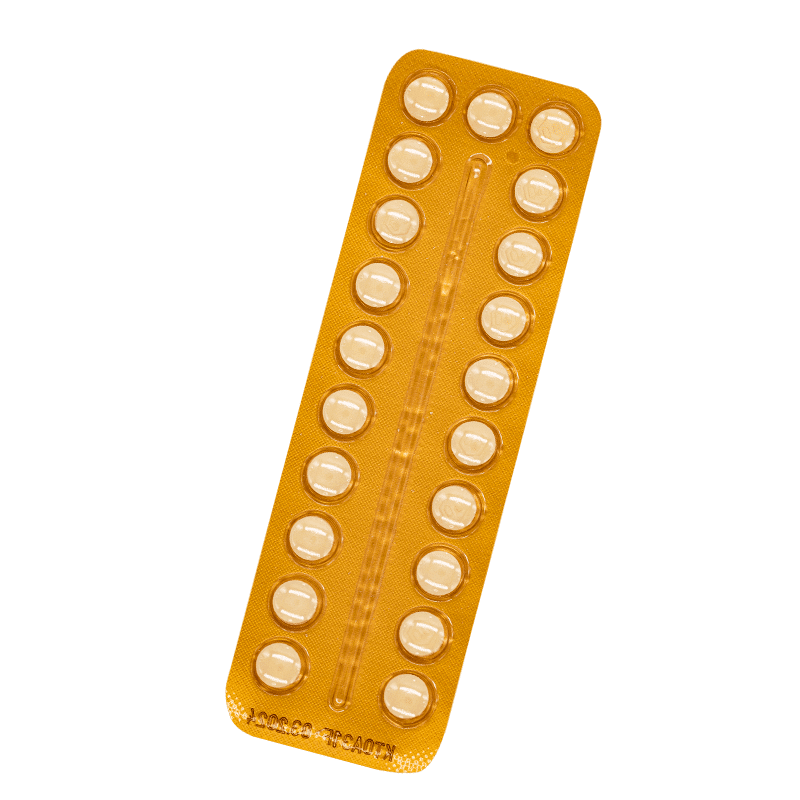
How does the birth control pill cause hyperpigmentation?

Certain contraceptives can cause hyperpigmentation, primarily due to the hormonal changes experienced by your body when taking them. Hormones such as estrogen and progesterone levels may stimulate melanogenesis, the production of melanin by melanocytes, which can contribute to the development of hyperpigmented patches, including melasma.

Studies suggest that different hormones may carry varying risks of hyperpigmentation. For instance, the occurrence of melasma is highest with ethinyl estradiol (a type of estrogen) and norethindrone (a type of progesterone), followed by ethinyl estradiol and norelgestromin (a type of progesterone) and ethinyl estradiol and levonorgestrel (a type of progesterone)l. This correlation is likely linked to estrogen levels; the higher the dose of estrogen, the greater the risk of melasma.

Ultraviolet (UV) radiation can stimulate melanogenesis and worsen existing pigmentation – so adequate sun protection is recommended, particularly when using hormonal contraception – including sunscreen, protective clothing, and limiting sun exposure on affected areas.

If you experience melasma or worsening hyperpigmentation that you think is caused by hormonal contraceptive use, let your doctor know. They might lower your dose or recommend different contraceptive methods, such as non-hormonal options, like the copper IUD, or barrier methods. These methods don’t contain any hormones, so it removes contraception as a causative factor.

How does sun exposure cause hyperpigmentation?

Sun exposure can cause hyperpigmentation in several ways. One of which is by stimulating melanocytes. When UV radiation reaches the skin, it can cause DNA damage in skin cells, including keratinocytes. This activates a sequence of processes, eventually resulting in the release of α-melanocyte-stimulating hormone (α-MSH). α-MSH binds to certain receptors (such as MC1R) on melanocytes, stimulating melanogenesis, the process by which melanin is produced.

The increased melanin absorbs UV radiation and helps protect cellular DNA from further damage. This process contributes to tanning, which is a protective response to UV exposure. But repeated or prolonged UV exposure can cause oxidative stress and inflammation, which can disrupt normal melanocyte function and lead to an uneven increase in melanin production. This can result in hyperpigmentation, including sunspots and melasma.

It’s important to understand that while tanning is considered natural protection, it doesn’t fully prevent UV-induced damage. Continued UV exposure can contribute to persistent and uneven pigmentation.

Aside from UV radiation, blue light can also contribute to hyperpigmentation through different cellular pathways. Blue light penetrates the skin and activates light-sensitive receptors known as opsins. Activation of these receptors can stimulate melanogenesis, increasing melanin production. This can cause hyperpigmentation and worsen existing pigmentation conditions, such as melasma. Studies suggest that people with darker skin types are more likely to experience hyperpigmentation caused by blue light.

How do acne and skin damage cause hyperpigmentation?

Acne and skin damage can lead to post-acne and post-inflammatory hyperpigmentation (PIH). When a pimple forms, immune cells release chemicals that trigger an inflammatory response, resulting in inflammation. While the exact reason why this leads to hyperpigmentation isn’t fully understood, it’s thought that inflammation can stimulate melanocytes to overproduce melanin, resulting in PIH. Often, PIH can be more persistent than acne itself, lasting for weeks or even years, especially in people with darker skin tones.

Evidence has also found that physical trauma, such as picking or squeezing acne pimples, can worsen the appearance of PIH. Physical trauma can stimulate the release of paracrine cytokines, which can increase pigment production. This process is also linked to conditions such as friction melanosis, a form of hyperpigmentation that can cause flat, brown patches due to repeated rubbing or pressure on the skin.

While it can be tempting to scratch your skin or pick at your pimples when you have acne, it’s best to avoid doing so to prevent worsening hyperpigmentation. You should also apply sunscreen to prevent sun-induced hyperpigmentation while dealing with acne. This is especially important if you’re using certain medications like retinoids, which can make skin more sensitive to the sun.

What can be done to help my hyperpigmentation?

There are several ways to treat hyperpigmentation, such as using medications like azelaic acid or retinoids, which help exfoliate the skin and reduce the appearance of melasma or dark spots. It’s best to find the root cause of your pigmentation so you can prevent it from worsening and recurring.

You should also follow general safety rules for sun exposure, such as using sunscreen, limiting time in the sun, and wearing protective clothing when possible.

Hyperpigmentation can be a tedious condition to treat, as it may take months or even years for it to fully resolve. It’s important to be consistent with sun protection and any medications you’re using to get the best results.

Reference Popover #ref1
Reference Popover #ref2
Reference Popover #ref3
Reference Popover #ref4
Reference Popover #ref5
Reference Popover #ref6
Reference Popover #ref7
Reference Popover #ref8

Sourcing guidelines:

When we present you with stats, data, opinion or a consensus, we’ll tell you where this came from. And we’ll only present data as clinically reliable if it’s come from a reputable source, such as a state or government-funded health body, a peer-reviewed medical journal, or a recognised analytics or data body. Read more in our editorial policy.

Tell us what you want to hear.

Have a subject you’d like us to cover in a future article? Let us know.

Give us the inbox treatment.

We're making healthcare more about you. Sign up to our newsletter for personalized health articles that make a difference.

Disclaimer: The information provided on this page is not a substitute for professional medical advice, diagnosis, or treatment. If you have any questions or concerns about your health, please talk to a doctor.

Suggest a health guide

Tell us your idea here.

(And leave your email too, so we can let you know if we write an article based on your suggestion.)