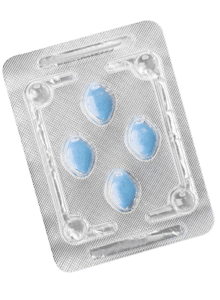
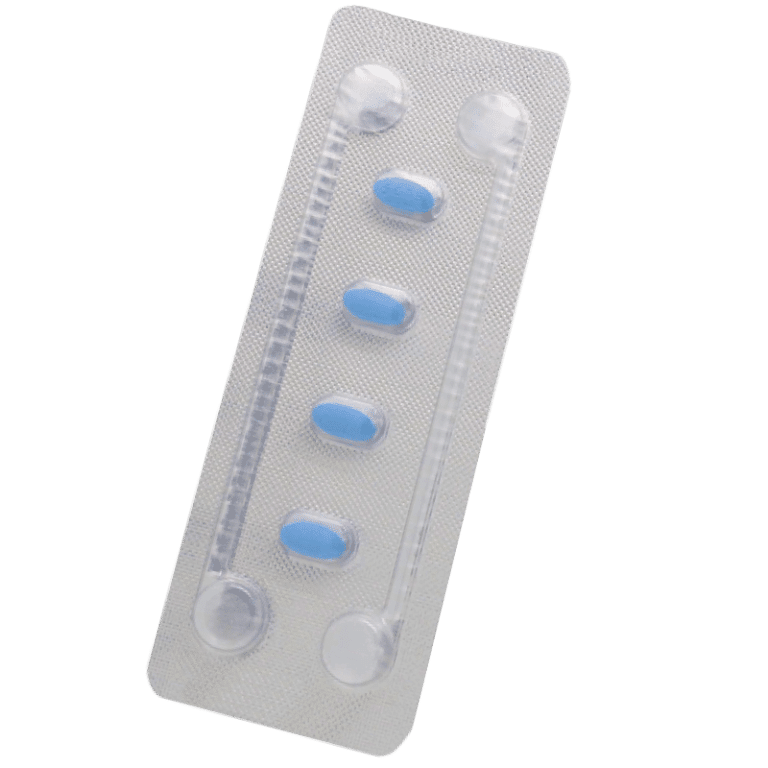
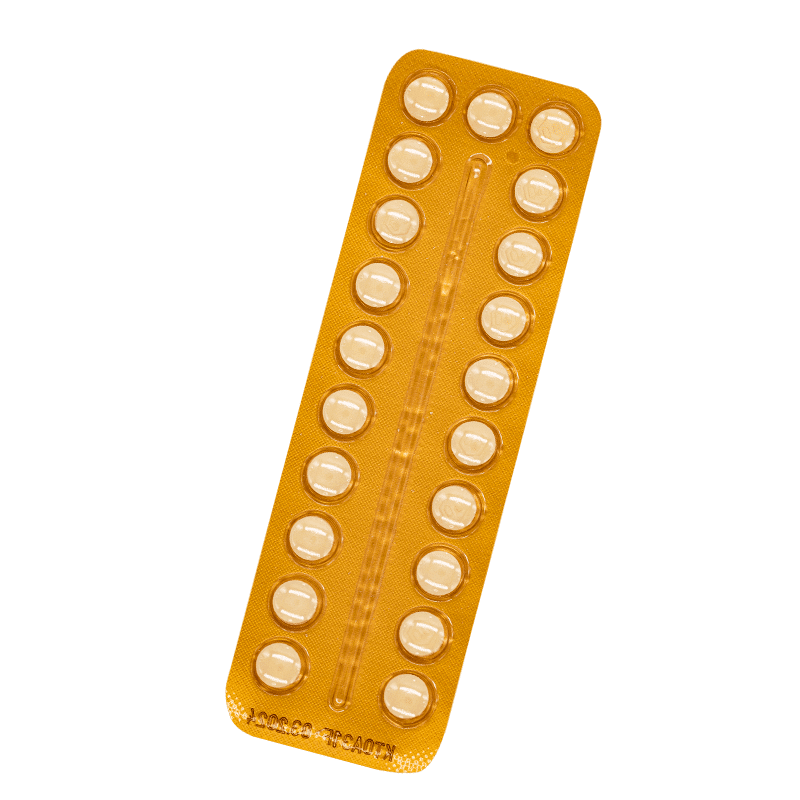
Combined pill
Go to
Reviewed on Mar 17, 2025. by Dr Alexandra Cristina Cowell Writer & Clinical Content Reviewer Next review due on Mar 17, 2028.
Alexandra Cristina

Last updated on Sep 16, 2025.

Was this article useful?

What is the pill?

The pill, or combined oral contraceptive pill, works by setting up certain conditions in your body which keep the egg and sperm away from each other. If the two don’t meet, the egg doesn’t get fertilized, and you don’t get pregnant.

There are a few different types of combined pill, and they’re all over 99% effective at providing birth control when taken ‘perfectly’.

What does ‘perfectly’ mean?

To make your pill as effective as possible, it’s important not to miss any days. While it’s best to take it at a similar time to build a routine, the combined pill is generally still effective even if you’re a few hours late. Forgetting a pill entirely (taking it more than 24 hours late) can compromise your protection, though.

With ‘typical use’, which accounts for occasional missed pills or other times when life happens, the pill’s effectiveness drops to around 93% (meaning around 7 in 100 users will get pregnant in a year).

So, what is a combination pill? A combined oral contraceptive pill (COCP), has two female hormones in it: estrogen and progestin. Estrogen and progesterone are naturally made in the ovaries, and the pill contains synthetic (lab-made) versions. Synthetic progesterone is called progestin, and the pill is called a “combined” or “combination” pill because it combines two hormones.

Estrogen and progesterone control how and when your body prepares for pregnancy, but more on how the pill stops you from getting pregnant in a moment. As mentioned there are several different types of combined pill. They’re all effective at preventing pregnancy.

The 3 main types of COCP:

Monophasic pills provide the same dose of hormones in each active pill. Traditional packs contain 21 active pills followed by a 7-day break or 7 placebo (hormone-free) pills. However, some newer regimens exist, such as packs with 24 active pills and 4 placebo pills, which can help reduce side effects.

Multiphasic pills are organized into rows with 2 or 3 different colored sections. The pills in one colored section contain different amounts of hormones to the pills in a different colored section, and the amount of “active” pills containing hormones can vary.


When was the contraceptive pill invented?

The first commercially available contraceptive pill was made available in the US in the 1950s. By the 60s it was in full swing and being used by 1.2 million women in America. A 2019 United Nations report estimated that 15% of married women and 26% of unmarried women between 15 and 19 years of age from 27 countries use the contraceptive pill.

How does the combined pill work?

So, what does the pill do and how does the pill work? There are three ways progestin and estrogen in the pill work in combination to prevent pregnancy.

Number one: The pill stops ovulation. Normally, your ovaries release an egg every month. If that egg meets a sperm it can become fertilized. The pill stops ovulation, no egg is released, sperm and egg never meet, and fertilization doesn’t happen.

Number two: The combined pill makes the mucus in your cervix thicker, so sperm have a much harder time penetrating the uterus and reaching the egg.

Number three: The pill thins your uterine lining. The uterine lining builds throughout the month and is what’s dispelled during your period. Normally, the egg is implanted into this lining where it can grow once fertilized. A thin uterine lining means less chance of an egg being implanted into the uterus. Another benefit of this is that the pill can make periods lighter and more manageable.

How long does it take for the pill to work?

If you’re wondering, “how long does the pill take to work?” the answer is that you can start taking it at any time but how long it takes to kick in depends on where you are in your cycle.

So, if you take the pill within five days of the start of your period, you’re protected from pregnancy right away.

If you start at any other time during your cycle, you’ll be protected from pregnancy after seven days of using the pill. If you have sex during these seven days you’ll need to use a condom to protect against pregnancy.

The pill does not protect against sexually transmitted infections, so if you’re starting out with a new sexual partner, it may be a good idea to use a condom whether you’re taking the pill or not.

How effective is the combined pill?

There are two ways of measuring whether a pill is effective at preventing pregnancy. The first is done by “perfect use” which is when you take the pill exactly as instructed, every day, without missing a dose. Taken perfectly, the combined contraceptive pill’s effectiveness is 99%.

‘Typical use’ is when someone takes the pill but may occasionally forget to take a dose or take it late. With typical use, the pill is 91-93% effective at preventing pregnancy. This means that around 7-9 in 100 women taking it over a year will become pregnant. One clinical study concluded that the pill is “effective, safe and well-tolerated.”

In another study following 900 women in three different countries (Brazil, Egypt and China) there were only four unwanted pregnancies reported, and all four occurred because the pill wasn’t taken “perfectly” (every day at around the same time). Similarly, in a study of over 2000 women taking the pill for a year, 19 became pregnant and 15 of those pregnancies were due to regularly missing doses or taking doses late.

So, to answer “how reliable is the pill?” With perfect use, very reliable. However, missing the occasional dose or taking a dose late will affect your protection, increasing the odds of becoming pregnant to around 9%. The best way to ensure that the pill is as effective as possible at protecting against pregnancy is to take it at the same time every day.

Other things which can impact how effective the pill is include vomiting or diarrhea, the antibiotic Rifampin, the antifungal Griseofulvin, HIV medicines, anti-seizure medicines and the supplement St. John’s wort. Speak with your clinician if you take these and use a condom as backup protection.

What are the advantages of the pill?

Some combined pills can also help make periods more regular, lighter and less painful, as well as helping ease symptoms of PMS (premenstrual syndrome), and are 99% effective at preventing pregnancy when taken correctly.

Other advantages of the birth control pill include uninterrupted sex without the need to put on a condom, reduced risk of ovarian, endometrial and colon cancer; protection against pelvic inflammatory disease; and a reduced risk of fibroids, ovarian cysts and non-cancerous breast disease.

Some combined pills are also used to treat moderate to severe acne. Talk to your prescriber if you struggle with acne, are taking (or want to start) birth control pills, and have already tried topical treatments and antibiotics. They may be able to recommend a combined pill that can help your acne. It is important to note that the mini pill (progestin only pill) may make acne worse.

Going on the pill: what’s the right way to start?

There are three possible ways to get started on the pill:

You can start taking your pill on the first day of your period, also known as the ‘first day start’. You’ll be protected from getting pregnant right away, so you won’t need to use a condom for the first week of taking the pill.

There’s also the ‘quick start’. Here you take the first pill in your pack five or more days after your period started. Because the hormones in the pill need time to build up in your body, starting this way won’t protect you during your first seven days on the pill, so you should use a condom if you have sex.

And lastly, the ‘Sunday start’. Many oral contraceptive pills are arranged in the pack by day, starting with Sunday. Here, you take your first pill on the first Sunday after your menstruation starts. You’ll need to use backup contraception for the first seven days, like a condom.

When can I start taking the pill after giving birth?

If you’re not breastfeeding: 21 days after giving birth, but check with your doctor or prescriber. If they give you the okay, you’re safe to start and will be protected straight away.

If you are breastfeeding, you won’t be prescribed a combination pill. Instead, the progestin-only mini pill is a better option.

Using the pill after miscarriage or abortion

If you’ve had a miscarriage or abortion, you can start the pill up to five days afterwards and you’ll be protected straight away. If you start the pill more than five days after, you’ll need to use additional contraception, like a condom, for the first seven days.

Is the pill safe?

Yes, the pill is safe. That said, it’s common to notice a few side effects when you start a new pill. These are usually mild and go away after two to three months.

A few side effects include nausea, headaches, tender breasts, changes to your mood, bloating and breakthrough bleeding. Breast tenderness and nausea can be reduced by taking your pill before bedtime.

Serious side effects like allergic reactions or blood clots are rare, but you should go to the hospital if you have any signs of these. Signs of an allergic reaction include hives, swelling of the face or difficulty breathing. Signs of blood clots include leg pain or swelling, sudden breathlessness, chest pain or irregular heartbeat. Further information on the pill’s side effects can be found in the patient info you’ll get with your prescription. If you get side effects that are intolerable or don’t go away after a couple of months, speak to your prescriber who may suggest a different pill.

However, research also shows a small increase in the risk for developing breast and cervical cancer. This risk is considered very low for most users and generally decreases after you stop taking the pill. It’s important to discuss your personal and family medical history with your doctor to weigh the benefits against the risks.

The pill and the 7-day break: am I still covered?

Yes. You are protected from pregnancy during your combined pill break as long as you start taking your pill again on the eighth day. You must take your pill as you were before (preferably at the same time of day) on the eighth day.

This is because we know that not taking tablets for seven days weakens the pill’s main effect of preventing your ovaries from releasing an egg; this means that there’s an increased risk that your body will release an egg if you miss your pill on the eighth day.

During your seven day break on the pill, a lot of women will get ‘withdrawal bleeding’ a lot like getting a period. It’s caused by a break in hormones and isn’t a ‘real’ period. Answering, can I take my pill break early? No. This will increase your likelihood of getting pregnant.

Can I take the combined pill continuously?

Can you take the pill without a break? Yes, it’s safe and can stop monthly bleeding in some women.

Regular monthly bleeds have been found to have no known medical benefits, and by taking the pill continuously you can stop them. Continuous pill taking can also reduce period pain, migraines, other headaches, and is very convenient if there’s a week of the month where you just don’t want to be on your period.

If you do take a break you will likely bleed, like a period, only it’s artificial (caused by a sudden drop in hormones – as you’re not taking them in from the pill) and does not mean that you are not pregnant.

We call this an ‘off-label’ use, which means that whilst the pill isn’t being used exactly as per the manufacturer instructions, it’s safe to use it in this way. Any side effects will be the same as if you were taking the pill with a 7-day break.

Speak with your prescriber before taking the combined pill continuously because your levels of protection can depend on the type of combined pill you’re taking. They’ll be able to answer any other questions you may have.

How long can you be on the pill for?

The combined pill can be used as birth control up until you reach the menopause or until you turn 50 years old. This is the same whether you’re taking the pill with a seven-day break or continuously.

However, it’s always best to discuss being on the pill with your doctor or prescriber before you start using it, or if your health changes. For example, if you develop certain health conditions, there may be a risk that these will interact with the combined pill.

Some of the conditions that can interact with the combined pill include blood-clotting disorders, high blood pressure, heart problems, breast cancer, liver problems, gallbladder disease, migraines with aura (you see bright lights right before your migraine starts) and diabetes.

If you’re a smoker over 35 or you’ve just given birth let your prescriber know. They may recommend another form of contraception for you long or short term.

Reference Popover #ref1
Reference Popover #ref2
Reference Popover #ref3
Reference Popover #ref4
Reference Popover #ref5
Reference Popover #ref6
Reference Popover #ref7
Reference Popover #ref8
Reference Popover #ref9
Reference Popover #ref10
Reference Popover #ref11
Reference Popover #ref12
Reference Popover #ref13
This page was medically reviewed by Dr Alexandra Cristina Cowell, Writer & Clinical Content Reviewer on Mar 17, 2025. Next review due on Mar 17, 2028.

Last updated on Sep 16, 2025.

How we source info.

When we present you with stats, data, opinion or a consensus, we’ll tell you where this came from. And we’ll only present data as clinically reliable if it’s come from a reputable source, such as a state or government-funded health body, a peer-reviewed medical journal, or a recognised analytics or data body. Read more in our editorial policy.

Give us the inbox treatment.

We're making healthcare more about you. Sign up to our newsletter for personalized health articles that make a difference.