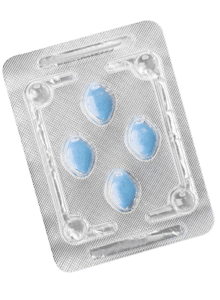
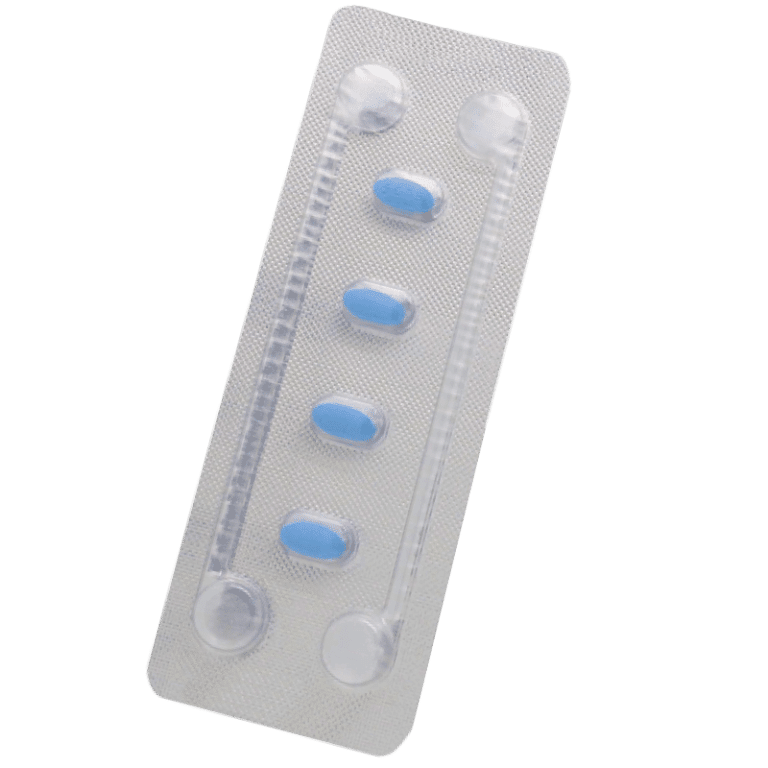
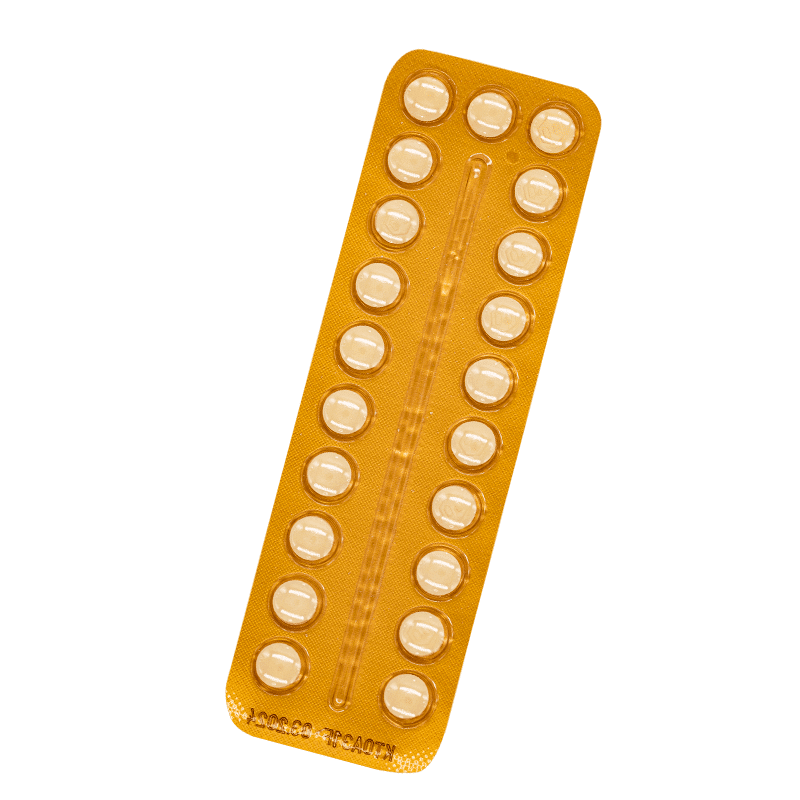
The mini pill is an oral contraceptive that is also known as the progestogen-only pill (POP). It works to stop you from getting pregnant.
On this page, we’ll discuss just how effective the mini pill is, how it can affect your period and the differences between the mini pill and combined pill.
Go to
Reviewed on Sep 02, 2025. byDr Alexandra Cristina CowellWriter & Clinical Content ReviewerRegistered with GPhC (No. 2241935)Next review due on Sep 02, 2028.
Last updated on Sep 19, 2025.
What is the mini pill?
The mini pill is a hormonal method of contraceptive pill that prevents pregnancy. It differs from combined contraception because it only contains one hormone, always a version of progesterone.
The progestogen-only pill is over 99% effective when you use it perfectly. With ‘typical use’, which accounts for factors like taking a pill late, its effectiveness is around 93%. This means that in a typical year, about 7 out of 100 users become pregnant.. This makes it just as effective as combined methods of contraception, which contain synthetic estrogen as well as progesterone.
The mini pill, sometimes called the progestogen-only pill (POP), can be preferable for women who struggle with estrogenic side effects, which are associated more with combined pills. You’ll take the mini pill every day – and unlike combined pills, there are no ‘pill-free’ breaks or placebo pills; you take active mini pills continuously.
How does the mini pill work?
The mini pill, not to be confused with ‘the pill’ (the combined pill), prevents pregnancy from occurring – but what does the mini pill do in the body to stop pregnancy, and how does the progestogen-only pill work?
During the menstrual cycle, progesterone is naturally released in rising and falling quantities, and this affects how the body prepares for pregnancy. Mini pills contain synthetic progesterone, which mimic the effects of natural progesterone by binding to its receptors.
When you take the mini pill, the additional levels of progestin impact the body in several ways to provide contraception. For example, the mini pill can suppress ovulation (in about half of the cycles), which means eggs may not be released. It also thickens vaginal mucus, which can block sperm. Lastly, the mini pill prevents the uterine lining from thickening, which means fertilized eggs would struggle to implant themselves and grow.
How long does the mini pill take to work?
If you’re thinking about taking mini pills, you’ve probably wondered how long it takes progestin birth control to work. Firstly, you can start taking the progestin-only pill whenever you like. But there’s a few things to know about what day you choose:
If you’re on the first day of your period, the progestin-only pill will work straight away and you’re protected immediately from pregnancy.
If you decide to start the progestin-only pill after the first day of your period, you’ll need to use additional contraception until you’ve taken the pill for over two days. You won’t be protected immediately.
How to take the mini pill
There are two different types of mini pill, both of which are taken in slightly different ways.
The traditional mini pill has to be taken daily, at the same time (or within three hours).
The drospirenone mini pill (brand name Slynd) has to be taken within 24 hours of the same time each day. So if you’re worried you might miss a dose, you may benefit more from the 24-hour progestogen-only pill.
When you receive your mini pill, take care to read over the specific instructions on how to take it. Each pill packet contains 28 pills, and you’ll take one every day. If you miss taking a pill or pills it will reduce the overall effectiveness of the mini pill. It’s best to get into the habit of taking it each day at the same time.
Does the mini pill stop periods?
It’s very common for your periods to change while taking the mini pill. Many users find their bleeding becomes lighter, less frequent, or stops completely after several months. This is perfectly safe, but if having your period every month is a welcome physical sign that you’re not pregnant, mini pills may not be the best choice.
On the other hand, it’s also common to experience irregular bleeding, spotting between periods, or more frequent bleeding, particularly when you first start. These changes are normal too, but if they bother you, speak to your doctor.
You might not be able to take the mini pill if you want your periods to stay the same or if you experience unexplained vaginal bleeding between periods.
Mini pill benefits
There are several benefits of progestin-only pills, some of which might make them more preferable to certain women over the combined pills.
One benefit of the mini pill is that, like the combined pill, it doesn’t interfere with the process of sex. It can also cause menstrual bleeding to stop altogether (though it doesn’t always).
Mini pills don’t affect breast milk the same way that combined contraceptives do, so you can often start taking the progestin-only pill shortly after giving birth, even if you intend to breastfeed.
The mini pill doesn’t provide you with permanent protection from pregnancy, meaning if you decide to stop taking it in the future, your ability to get pregnant won’t be impacted.
Women can take the mini pill up to the age of 55, which is typically around the age of menopause. If you’re over the age of 35 and smoke, it’s safe for you to take the mini pill.
Is the mini pill safe?
For the majority of women, the mini pill is a safe and well-tolerated medication. However, all medications have the ability to cause side effects and this is also true of mini pills. The most common side effects associated with progestin-only pills include, but aren’t limited to, nausea, headache, low libido, tender breasts, depression and fatigue.
The mini pill isn’t always safe for everyone. You can’t take progestin-only pills if:
You have cirrhosis or liver tumours
Have or had breast cancer
Have liver disease,
Have arterial disease or heart disease or stroke
Have unexplained bleeding in between your periods
Take medications which affect the pill’s effectiveness
Think you might be pregnant.
If you vomit within three hours of taking a drospirenone pill or two hours of taking a traditional mini pill, or have severe diarrhea, your body may not have fully absorbed it. You should treat this as a missed pill. Take another pill as soon as you can and follow the missed pill rules, which means using condoms for the next two days if you’re outside your 3- or 24-hour window.
Mini pill effectiveness
Just how effective are progestin-only pills? Well, mini pills are highly effective, even when not taken perfectly. “Perfect use” describes remembering to take them every day, at the right time, and never missing a single pill. If you use the mini pill perfectly, you’ll have over 99% protection from pregnancy.
With “typical use,” which takes into account the average use of the mini pill including missed pills and incorrect timings, it still remains around 93% effective. Although more recent studies suggest that it can be around 98% effective even with typical use.
If you do forget to take a pill, but you remember within your three or 24 hour window (depending on the type of pill you’re using) – take it as soon as you remember and then take your next pill at the regular time. This should not impact your protection.
If you forget to take a pill and it’s been longer than your three or 24 hour window, you will no longer be protected from pregnancy. Regardless of how many pills you’ve missed, take one pill as soon as you remember you missed a dose. Take the next pill at the usual time; this might mean taking two pills in a single day. Then resume taking your daily pills at the same time each day. Use condoms when having sex for the next two days as your protection builds back up.
You may need emergency contraception if you had sex after missing a pill. Emergency contraception like the “morning-after pill” needs to be taken within a specific window of time, so be sure to read the directions and speak to your doctor if you have questions.
Coming off the mini pill
You can stop taking the mini pill at any time; it’s safe to stop taking it whenever you like and your ability to become pregnant will not be affected.
However, just as starting the pill can cause a number of noticeable changes in the body, coming off the pill can do the same. Some women who stop taking the progestin-only pill experience flare-ups with acne, and they’ll likely see their periods return to normal.
When we present you with stats, data, opinion or a consensus, we’ll tell you where this came from. And we’ll only present data as clinically reliable if it’s come from a reputable source, such as a state or government-funded health body, a peer-reviewed medical journal, or a recognised analytics or data body. Read more in our editorial policy.
Give us the inbox treatment.
We're making healthcare more about you. Sign up to our newsletter for personalized health articles that make a difference.
By clicking 'Subscribe now' you're agreeing to our Privacy Policy.
What did you like about it?
What didn't you like about it?
Reviews you can trust
All of our reviews are collected from real patients after their treatment has been delivered.
We publish reviews collected through independent platforms including Reviews.io and Trustpilot.
Last updated on Sep 19, 2025.
How we reviewed this page:
Why this page was updated on Sep 19, 2025
Content checked and updated as part of our 3-yearly periodic review, to ensure accuracy and currentness.
Current version (Sep 19, 2025)
Edited by: The Treated Content Team.Medically reviewed by: Dr Alexandra Cristina Cowell, Writer & Clinical Content Reviewer
Sep 27, 2022
Published by: The Treated Content Team.Medically reviewed by: Dr Daniel Atkinson, Clinical Reviewer
How we source info.
When we present you with stats, data, opinion or a consensus, we’ll tell you where this came from. And we’ll only present data as clinically reliable if it’s come from a reputable source, such as a state or government-funded health body, a peer-reviewed medical journal, or a recognised analytics or data body. Read more in our editorial policy.
Dr Daniel Atkinson
Clinical Reviewer
Dr Daniel is a UK doctor who reviews medical content across the site to make sure it's clinically accurate. On specific pages he's reviewed you'll see his reviewer card.
When we present you with stats, data, opinion or a consensus, we’ll tell you where this came from. And we’ll only present data as clinically reliable if it’s come from a reputable source, such as a state or government-funded health body, a peer-reviewed medical journal, or a recognised analytics or data body. Read more in our editorial policy.