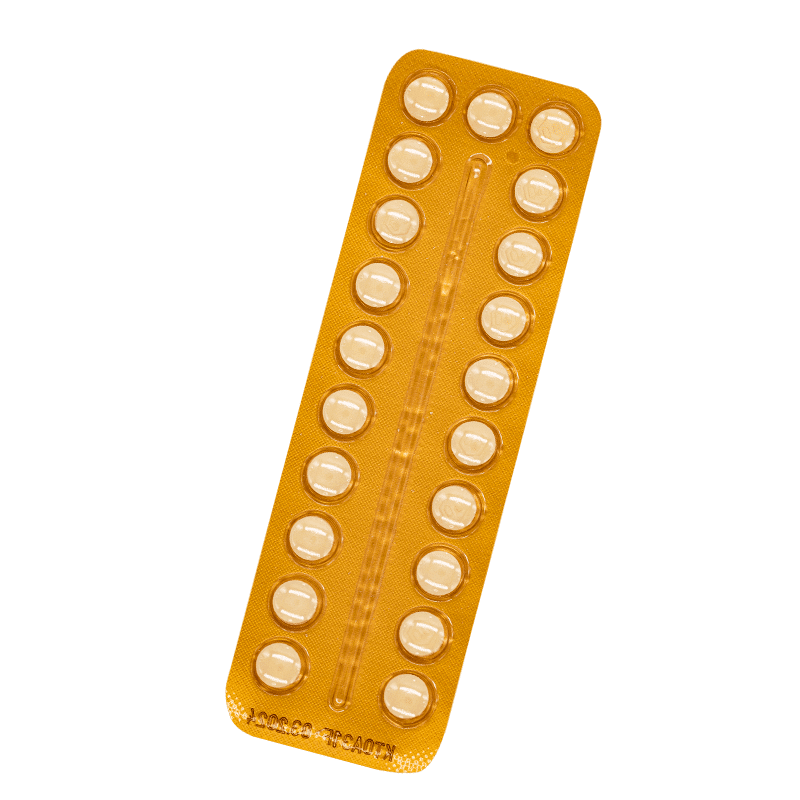
What is Lisinopril?
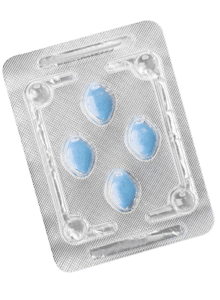
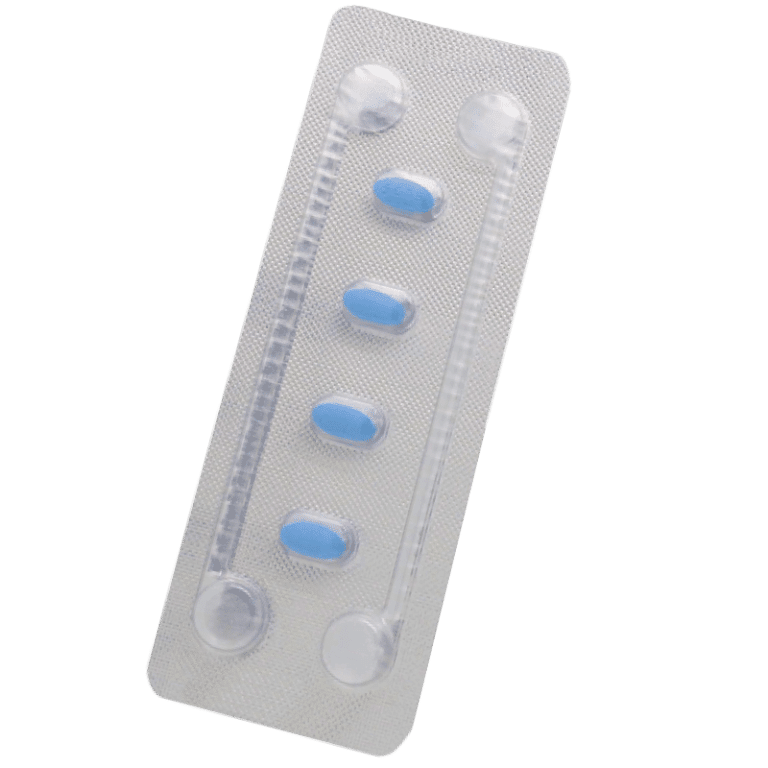
Lisinopril is a tablet you’ll take every day that widens your blood vessels to manage high blood pressure. It can also help reduce your risk of strokes and heart attacks in the future.[1]
How does Lisinopril work?
Lisinopril is a type of drug called an angiotensin-converting enzyme (or ACE) inhibitor. This means it stops the conversion of a hormone called angiotensin I to angiotensin II.
Angiotensin II is a vasoconstrictor, which means it makes blood vessels contract. Reducing its levels widens your blood vessels, making it easier for your heart to pump blood around your body. This should help reduce your blood pressure.[2]
How do Lisinopril doses work?
Lisonopril comes in six doses: 2.5, 5, 10, 20, 30, and 40 mg. For high blood pressure, you’ll usually start on a dose of 10 mg each day. If that’s not enough to manage your blood pressure, it can be increased up to 40 mg as needed.
But if you’re getting side effects on the 10 mg dose, speak to your clinician. If they think your blood pressure is managed well enough, they may be able to reduce your dosage to see if it relieves your side effects.
What is the active ingredient in Lisinopril?
Lisiniprol is a generic drug that’s named after its active ingredient: lisinopril. It’s the generic version of Zestril.
How we source info.
When we present you with stats, data, opinion or a consensus, we’ll tell you where this came from. And we’ll only present data as clinically reliable if it’s come from a reputable source, such as a state or government-funded health body, a peer-reviewed medical journal, or a recognised analytics or data body. Read more in our editorial policy.