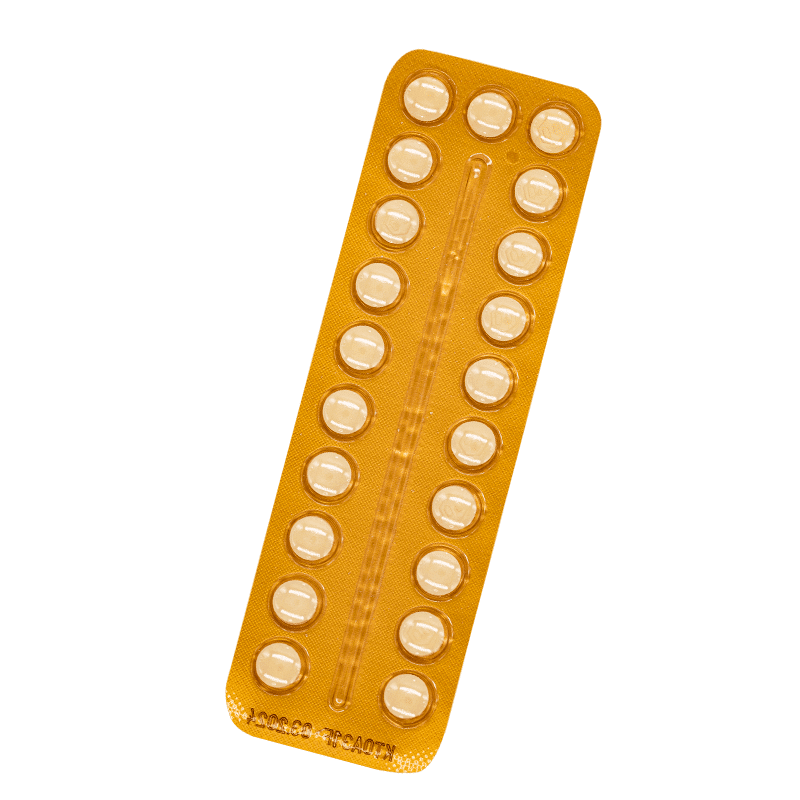
What is Amoxicillin clavulanate potassium?
Amoxicillin clavulanate potassium is an oral combination antibiotic that contains two active ingredients: amoxicillin and clavulanate potassium. It’s effective in treating various skin infections, including infected eczema.
Eczema is generally treated with emollients or topical steroids for more severe cases. But when the skin affected by eczema cracks and opens, it becomes easier for germs to enter, leading to infections that require treatment with antibiotics.
How does Amoxicillin clavulanate potassium work?
There are two active ingredients in Amoxicillin clavulanate potassium:[1]
- Amoxicillin is an antibiotic that works by inhibiting the system of bacterial cell walls. Without the cell wall, the bacteria can’t function properly, which weakens them. This eventually kills the bacteria.
- Clavulanate potassium is a component that stops the bacteria from destroying amoxicillin, allowing it to effectively combat bacterial infections.
Will I get side effects using Amoxicillin clavulanate potassium?
You may experience side effects while taking Amoxicillin clavulanate potassium, although not everyone will. Common side effects may include:
- Diarrhea
- Vaginitis
- Nausea
- Vomiting
- Rashes and itching
These side effects are usually mild and should subside within a few days. If they persist or worsen, inform your clinician. Taking the medication with food may help alleviate some side effects, such as nausea and vomiting.
What doses of Amoxicillin clavulanate potassium are there?
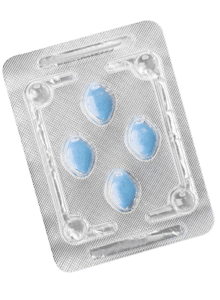
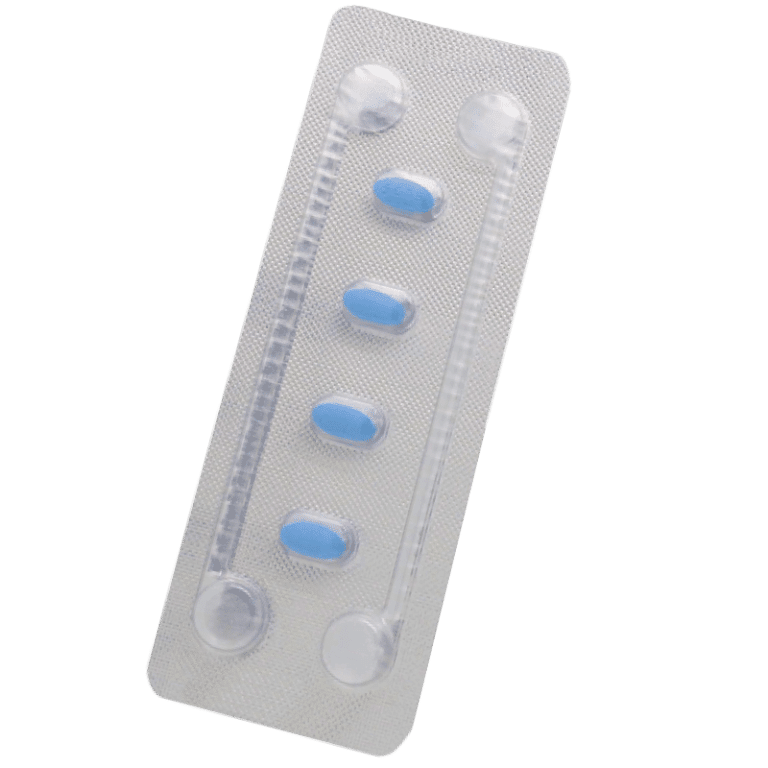
Amoxicillin clavulanate potassium comes in two doses: 500/125 mg and 875/125 mg. The dose you get depends on the severity of your symptoms. Typically, you’ll take one tablet twice a day for a week.
This page was medically reviewed by
Dr. Joseph Palumbo on July 24, 2026. Next review due on
July 24, 2029.
How we source info.
When we present you with stats, data, opinion or a consensus, we’ll tell you where this came from. And we’ll only present data as clinically reliable if it’s come from a reputable source, such as a state or government-funded health body, a peer-reviewed medical journal, or a recognised analytics or data body. Read more in our editorial policy.