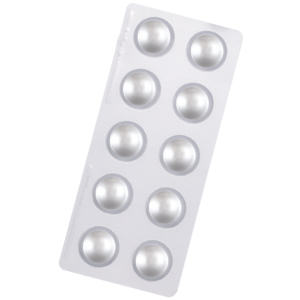
What is Fluconazole?
Fluconazole is an antifungal tablet that helps treat oral thrush, a condition that causes white patches to form in your mouth, often on your tongue and cheeks. It’s caused by an overgrowth of yeast. While it’s not contagious, it’s best to get treated quickly. Oral thrush doesn’t go away on its own; without treatment, it can persist for weeks or even months.
How does Fluconazole work?
Fluconazole works by stopping the production of ergosterol, a component of the fungal cell wall. Without ergosterol, the fungus can’t grow or survive. This weakens the fungus, making it easier for your immune system to destroy it.[1]
Does Fluconazole cause side effects?
You might get side effects when taking Fluconazole, but not everyone will experience them. Possible side effects include:
- Headache
- Stomach discomfort
- Diarrhea
- Nausea
- Vomiting
- Rash
Any side effects you do get should go away after you stop taking the medication. If they become hard to manage during your treatment, let your doctor know. They might lower your dose or recommend an alternative treatment.
How fast does Fluconazole work?
Fluconazole starts to work from the first tablet, but it might take a few days before your symptoms improve. For the infection to completely clear, it can take up to three weeks.
You should finish the entire treatment course, even if you feel better. Stopping the treatment early can cause the fungal infection to return.
What doses of Fluconazole are there?
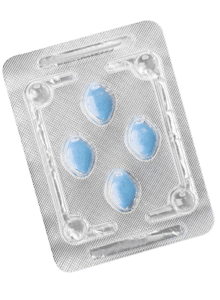
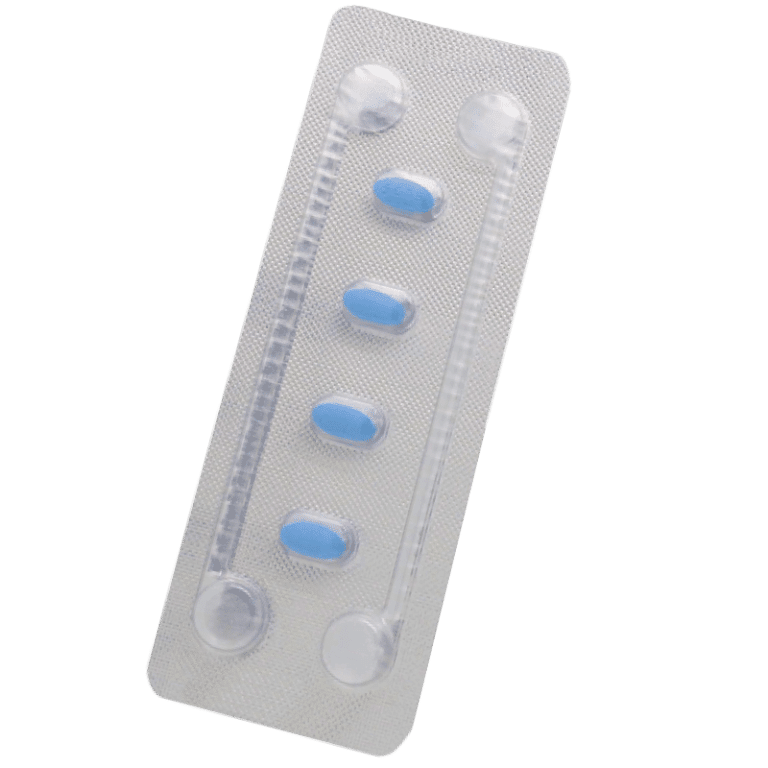
Fluconazole comes in 100mg tablets. You’ll take two tablets on day 1, followed by one tablet daily for three weeks.
How we source info.
When we present you with stats, data, opinion or a consensus, we’ll tell you where this came from. And we’ll only present data as clinically reliable if it’s come from a reputable source, such as a state or government-funded health body, a peer-reviewed medical journal, or a recognised analytics or data body. Read more in our editorial policy.