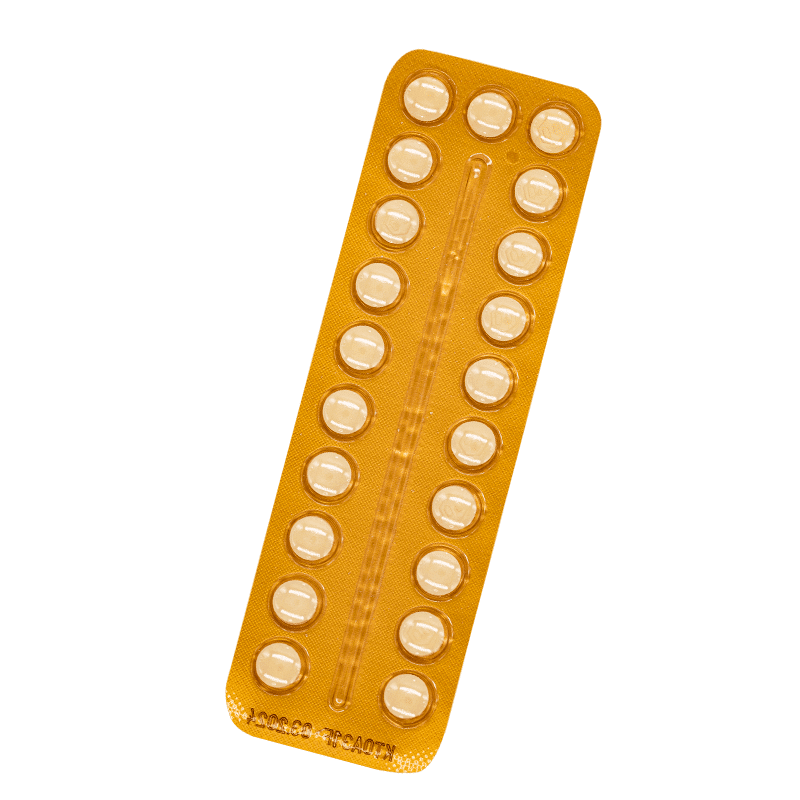
What is Prednisone?
Prednisone is an oral corticosteroid, a pill that reduces inflammation and helps to suppress your immune system.
Sinusitis causes inflammation in the lining of your sinuses, which can lead to pain, pressure, nasal discharge and a reduced sense of smell. By calming this inflammation, Prednisone can ease these symptoms until your sinus infection clears.
How does Prednisone work?
Corticosteroids work by mimicking hormones your body makes which have immunosuppressive and anti-inflammatory properties.1 Prednisone can be used to manage a range of conditions involving inflammation, such as eczema, asthma and Crohn’s disease.
Prednisone relieves pain and congestion caused by severe sinus infections by reducing the swelling in your nasal passages. This action can shrink nasal polyps and help mucus drain normally.
What doses of Prednisone are there?
Prednisone tablets are available in three doses: 10mg, 20mg and 50mg.
Your physician will decide how much Prednisone they think you should take each day based on your symptoms. You might start on the lowest dose tablet at first, and gradually move up if you‘re not seeing enough improvement.
How long does Prednisone take to work?
You might feel the benefits of Prednisone within a few hours of taking your first tablet. But it could take a few days before you get its full therapeutic effect.
How long can I use Prednisone for?
Prednisone is usually a short-course treatment, so you’ll only be taking the tablets between three to seven days. This should be long enough to ease your sinusitis symptoms while your body fights off the infection.
Avoid taking Prednisone for any longer than your physician has advised you to — it’s not a long-term treatment for sinusitis. If your symptoms show no signs of improvement after a few days of taking Prednisone, let your physician know.
Will Prednisone clear my sinusitis?
Prednisone can help ease sinusitis symptoms, but it won’t target the cause of your infection. Sinusitis has a range of causes — it can occur after a cold, or be triggered by seasonal allergies, smoking, or nasal polyps, which are small growths that line your sinuses.2
Viral infections often clear up on their own after 5-10 days, but if your sinusitis is caused by a bacterial infection you’ll usually need to treat it with a course of antibiotics.
How we source info.
When we present you with stats, data, opinion or a consensus, we’ll tell you where this came from. And we’ll only present data as clinically reliable if it’s come from a reputable source, such as a state or government-funded health body, a peer-reviewed medical journal, or a recognised analytics or data body. Read more in our editorial policy.