
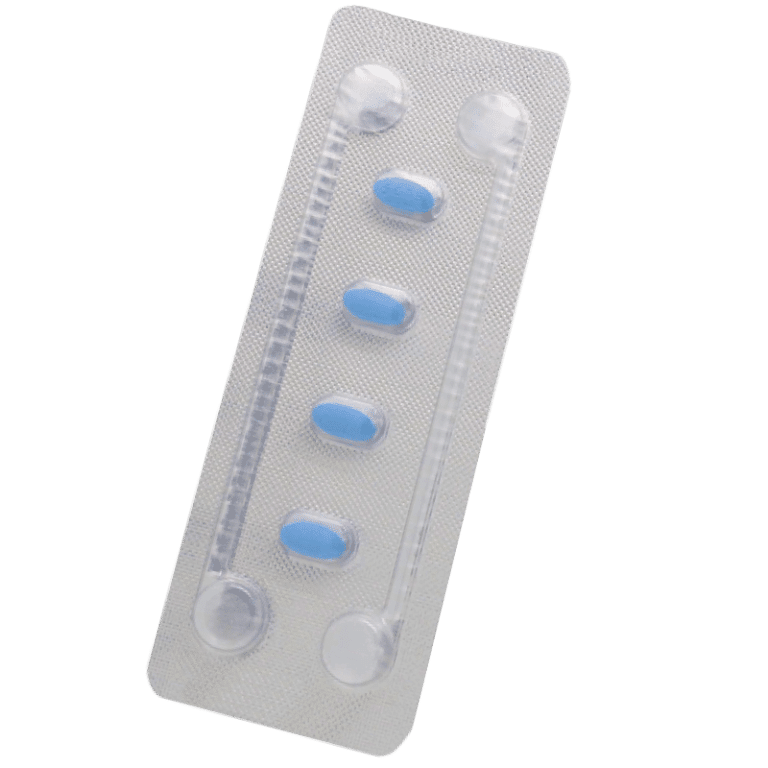




What is Ondansetron?
Ondansetron is an antiemetic—a type of medication that treats and prevents nausea. It’s usually used to prevent nausea and vomiting from surgery, radiotherapy, or chemotherapy, but it can also be prescribed off-label to manage nausea caused by conditions like labyrinthitis.
Off-label prescribing is the practice of using a medication outside of its license. Doctors do this when they think using a treatment this way will work safely and effectively.[1]
Who is Ondansetron for?
Ondansetron can be used by adults aged 18 or over with vestibular neuritis that causes nausea or vomiting.
Vestibular neuritis is an inflammation of the inner ear that affects the vestibular nerve, which sends messages from your inner ear to your brain. The condition is often caused by an infection.
Vestibular neuritis can upset your balance and cause tinnitus and vertigo, along with nausea and sometimes vomiting.[2]Ondansetron can ease nausea symptoms by blocking the signals to your brain that make you feel sick.
How does Ondansetron work?
Ondansetron belongs to a group of medications known as 5-HT3 serotonin-receptor antagonists. These work by targeting serotonin, a neurotransmitter that plays a part in controlling nausea. By blocking serotonin’s action, Ondansetron can prevent the ‘trigger’ signals that make you feel nauseous.
Ondansetron also targets the vagus nerve, which carries signals to your stomach. This helps stop the messages that travel from your gut to the brain’s vomiting centre, which often make you feel or be sick. So Ondanesetron won’t ease all the symptoms vestibular neuritis creates; it is specifically prescribed to treat nausea and vomiting.
Are there different doses of Ondansetron?
Ondansetron tablets are available in two strengths: 4mg and 8mg.
The usual dose to prevent nausea and vomiting is 8mg every 12 hours. Because Ondansetron is prescribed off-label, your physician will decide which dose they think will work best to manage your symptoms.
How we source info.
When we present you with stats, data, opinion or a consensus, we’ll tell you where this came from. And we’ll only present data as clinically reliable if it’s come from a reputable source, such as a state or government-funded health body, a peer-reviewed medical journal, or a recognised analytics or data body. Read more in our editorial policy.