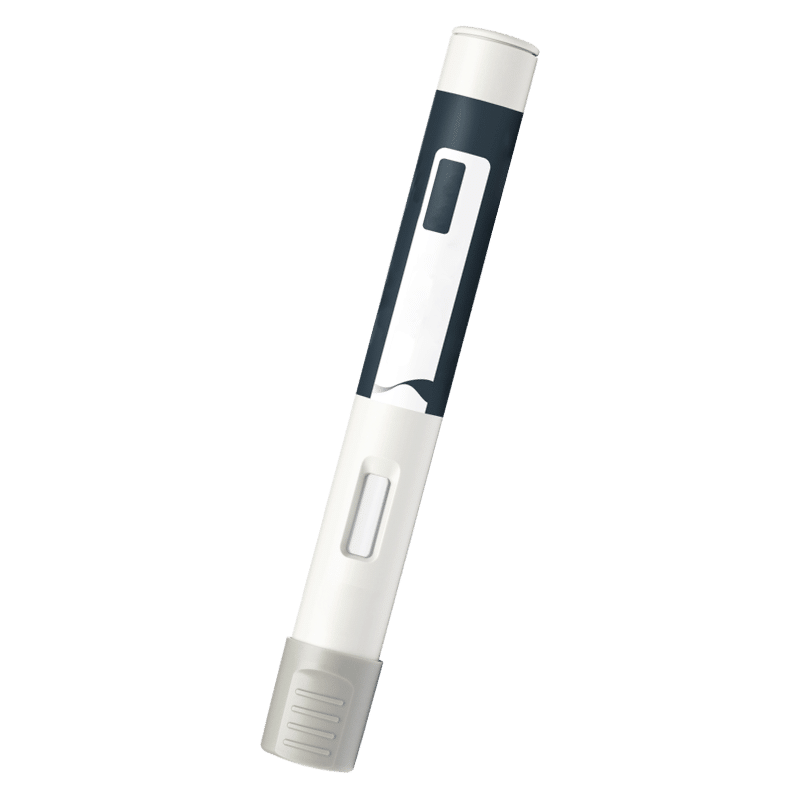
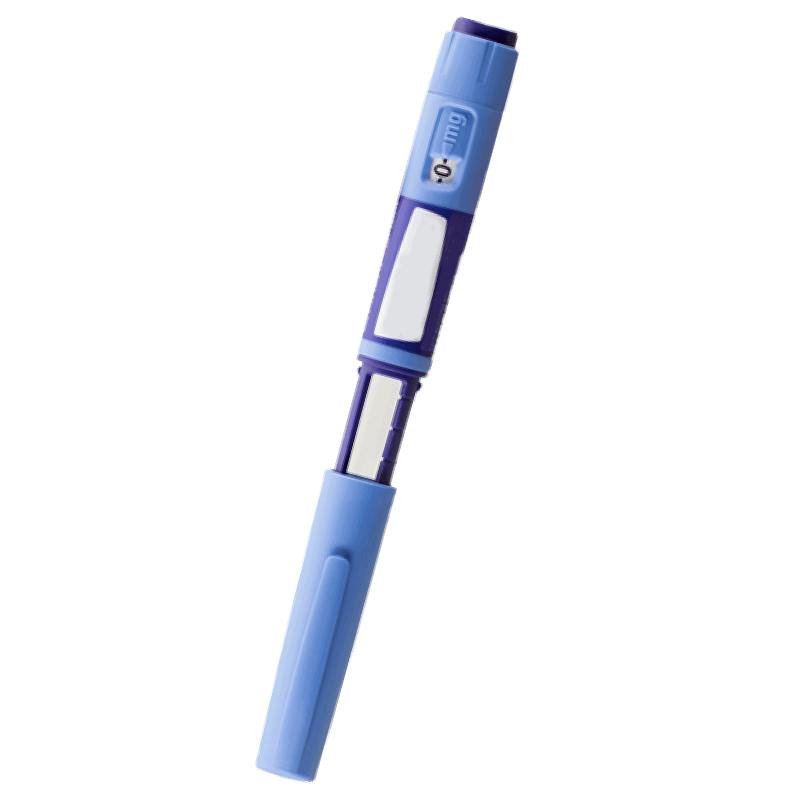
What is Fluocinonide?
Fluocinonide is a topical corticosteroid that helps treat severe inflammatory skin conditions, like eczema, psoriasis, and dermatitis. It can also be prescribed ‘off-label’ for alopecia. This means that, while Fluocinonide hasn’t been FDA-approved to treat alopecia, there’s evidence to suggest it’s a safe and effective treatment for it for some people.
Alopecia is a chronic autoimmune disease that causes hair loss. While the exact cause of it is unknown, inflammation often plays a role.
Corticosteroids like Fluocinonide work for alopecia by preventing further hair loss and promoting new hair growth. While it might take a long time to see results, it can be an effective treatment with consistent use.[1]
How does Fluocinonide work?
Fluocinonide works by inhibiting the release of inflammatory substances like leukotrienes and prostaglandins. It also suppresses your overactive immune system. Both these actions together decrease swelling, which stops hair molecules from getting damaged and helps prevent hair loss.[2]
Will I get side effects from Fluocinonide?
A common side effect of Fluocinonide is skin irritation at the application site. This should be mild and subside as your body adjusts to the medication.
Stopping steroids after using them for a long time can lead to steroid withdrawal symptoms. This is when your body responds to the lack of steroids, resulting in symptoms like redness, irritation, itching, and more. Your doctor will gradually decrease your dose to stop this from occurring.
What doses of Fluocinonide are there?
Fluocinonide comes in a dose of 0.05%. Although this might seem like a small concentration, Fluocinonide is actually one of the strongest steroids, so you should be careful to ensure you only apply a small amount of it.
This page was medically reviewed by
Mr Craig Marsh on April 24, 2026. Next review due on
April 24, 2029.
How we source info.
When we present you with stats, data, opinion or a consensus, we’ll tell you where this came from. And we’ll only present data as clinically reliable if it’s come from a reputable source, such as a state or government-funded health body, a peer-reviewed medical journal, or a recognised analytics or data body. Read more in our editorial policy.