

What symptoms should I look out for?
Most of the time, gallstones don’t cause any symptoms. But if they block the bile duct, it can result in intense pain in your abdominal area and back. This pain is usually intense and constant, lasting for several hours. It’s typically felt on the right or middle of your stomach.
Other symptoms might include:
- Fever
- Fast heartbeat
- Jaundice
- Nausea or vomiting
If the pain lasts longer than 30 minutes, seek immediate medical attention. Leaving it untreated can lead to more serious complications and health risks.
Can you pass gallstones?
If the stone is small enough, you can pass it in your stool, but this is rare because gallstones are often too big to pass, causing them to get stuck in your bile duct. When this happens, intense pain is felt and surgery is needed to remove them.
Non-medical professionals may recommend using apple cider vinegar, olive oil, or herbal remedies to help break them down so they can pass naturally, but these remedies aren't always backed scientifically. It's best to speak to your doctor if you have gallstones so they can decide the best treatment approach for you.
Who’s most at risk?
You’re more at risk of gallstones if you:
- Are over 40
- Are female
- Have obesity
- Experience rapid weight loss
- Are of Native American or Hispanic ethnicity
- Have diabetes
- Have Crohn’s disease
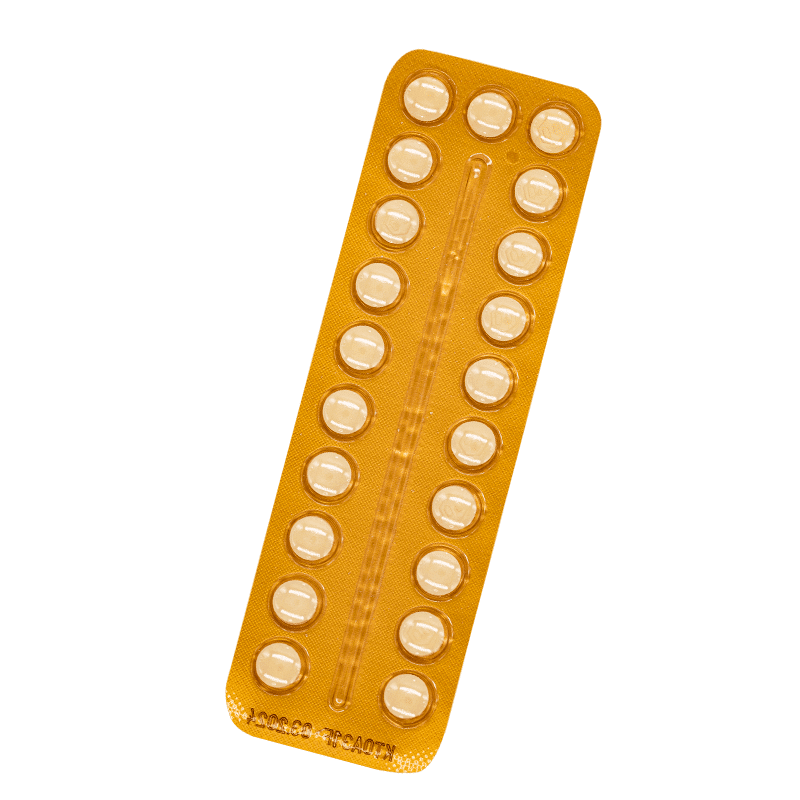
- Take certain oral contraceptives