What is Isosorbide mononitrate?
Isosorbide mononitrate helps treat angina and manage heart failure. It widens your blood vessels, which makes it easier for blood to flow through them. It doesn’t treat angina attacks, but it can prevent them from occurring. It’s typically taken once or twice a day, and is a long-term (often lifelong) treatment.
To manage your angina most effectively, it’s recommended to maintain a healthy lifestyle with regular exercise and a well-balanced diet alongside your medication.
How does Isosorbide mononitrate work?
Isosorbide mononitrate works by widening your blood vessels to help blood flow through them more smoothly. This reduces your heart’s workload, as it doesn’t need to use as much power to pump blood around your body.[1] This reduces your risk of angina attacks and heart failure over the long-term.
Will I get side effects using Isosorbide mononitrate?
Yes, you might get side effects while taking Isosorbide mononitrate, although not everyone will. These may include:
- Dizziness
- Headache
- Nausea
- Low blood pressure
- Faster heartbeat
Any side effects you do get should go away as your body adjusts to the medicine, but if they don’t, contact your doctor. Starting on a lower dose can help ease your body into the medicine and reduce the risk of side effects. Your doctor will prescribe the dose that’s most suitable for you.
Is there a branded version of Isosorbide mononitrate?
Yes, there are branded versions of Isosorbide mononitrate. They go by the names of Imdur and Monoket, but they have been discontinued. Generic and branded versions work in the same way,[2] usually only differing in packaging and price (generic medications tend to be cheaper than branded ones).
What doses of Isosorbide mononitrate are there?
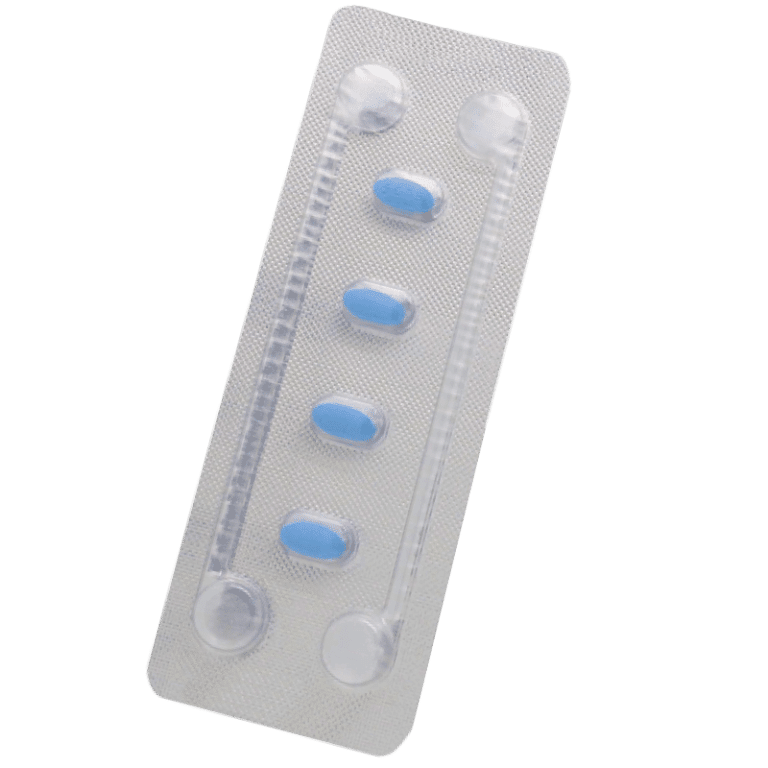
Isosorbide mononitrate is available with us in three doses: 30 mg, 60 mg, and 120 mg. All three tablets are extended release, meaning the medicine is slowly released into your bloodstream to provide a sustained dose throughout the day. You usually take one tablet daily.
10mg and 20 mg tablets may also be available from other providers.
How we source info.
When we present you with stats, data, opinion or a consensus, we’ll tell you where this came from. And we’ll only present data as clinically reliable if it’s come from a reputable source, such as a state or government-funded health body, a peer-reviewed medical journal, or a recognised analytics or data body. Read more in our editorial policy.