VerifiedFact Checked
How can you avoid altitude sickness?

How can you avoid altitude sickness?

Altitude sickness occurs when your body struggles to adjust to reduced oxygen levels at high altitudes. To avoid getting sick, you’ll need to prepare for your ascent so you know exactly what to expect on your trip.

As well as planning ahead, it’s important to know the different types of altitude sickness and how they can affect you, plus what to do if symptoms start.

Craig Marsh
Medically reviewed by
Craig Marsh, Clinical Reviewer
Go to
Reviewed on Apr 09, 2026. by Mr Craig Marsh Clinical Reviewer Registered with GPhC (No. 2070724) Next review due on Apr 09, 2029.
Craig

Last updated on Jul 08, 2026.

Was this article useful?
  • Altitude sickness is an umbrella term for health conditions that can develop when you climb to high altitudes too quickly
  • The three most common are acute mountain sickness (AMS), high-altitude pulmonary edema (HAPE) and high-altitude cerebral edema (HACE)
  • This page contains information about the different types of altitude sickness, including common symptoms, and how to prevent or treat them
  • Communication signals can be unpredictable at high altitudes, so we recommend printing this guide and taking it with you to refer to during your trip

What is Acute Mountain Sickness (AMS)?

Acute mountain sickness is the most common form of altitude sickness. Like most types of altitude sickness, AMS typically begins when you ascend to altitudes of around 2,500 meters (about 8,200 feet) above sea level too quickly. Places like Mount Everest in Nepal, some parts of the Alps, and La Paz in Bolivia are examples of high-altitude areas. But you can also develop altitude sickness in other locations such as high-elevation ski resorts.

The higher you climb, the more difficult it is to breathe normally, as your oxygen levels become reduced. When you ascend to high altitudes too rapidly, you can sometimes develop symptoms as your body struggles to adapt. These include headaches, nausea and vomiting, dizziness, insomnia and a loss of appetite. AMS symptoms are sometimes likened to having a ‘hangover’ the morning after consuming several alcoholic drinks.

Acute mountain sickness is the mildest type of altitude sickness, and can sometimes be eased by rest. Stopping your ascent and remaining at the same altitude for a period can help symptoms pass, but if they persist, you’ll need to descend to lower altitudes so your symptoms don’t get worse.

How do altitude sickness treatments work?

Treatments for altitude sickness are designed to help your body acclimatize to heights where the oxygen supply is reduced.

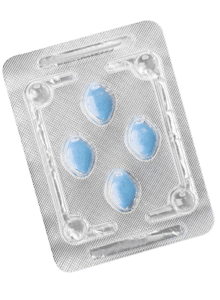
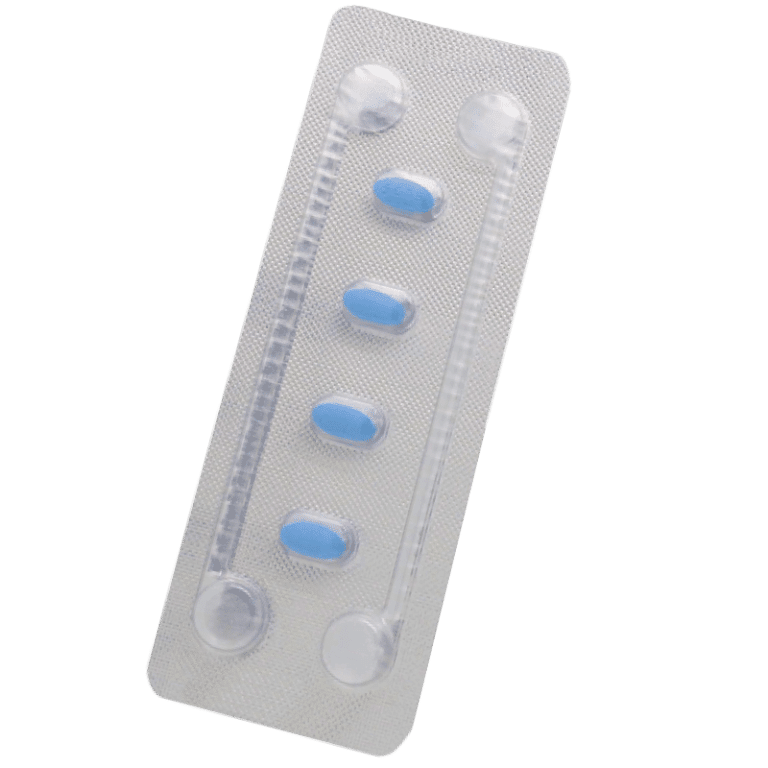
Acetazolamide is one type of treatment for AMS. It’s a tablet that you typically start taking two days before your ascent. It works by changing the acidity levels in your blood, helping you breathe more rapidly so that your body can take in the oxygen it needs.

It can also be used once symptoms have started, but in these cases you will still need to rest and stop your ascent to help your body recover.

When is the best time to take treatment?

If you’re planning a trip to a high altitude area, you might be prescribed a treatment to prevent altitude sickness symptoms before they start. This usually means starting a course of tablets in the lead-up to reaching high altitudes, as well as during your trip.

If you’re not sure whether you need treatment or not, it’s best to discuss it with a clinician. They can review your medical history to assess any individual health risks a high-altitude climb may pose. Acetazalomide, which is prescribed off-label in the US for altitude sickness, can help you to acclimatize more easily, but it might not be suitable for everyone. For example, it can’t be taken at the same time as medications such as lithium or aspirin.

Another treatment option is dexamethasone, a steroid which is usually used for more serious types of AMS, or high-altitude cerebral edema (HACE). Unlike acetazolamide, dexamethasone won’t help you acclimatize, and is instead used to rapidly reduce swelling. It’s often used when symptoms are severe, and is intended to be taken while you descend to lower altitudes.

What should you do before you ascend to high altitudes?

If you’re planning a trip to high altitudes, it’s important to be prepared. As well as knowing how to hydrate properly and understanding your nutritional needs for your trip, you may also benefit from increasing your cardiovascular fitness and strength, so your body is better able to deal with a reduced oxygen supply.

Your previous experience of high altitudes, as well as your general fitness level, can play a crucial part in planning a safe, successful trip and avoiding illness.

With this in mind, it’s essential you speak to a clinician ahead of any trips to high-altitude areas you have planned. They can help you get a more thorough understanding of your personal needs as your body adjusts to challenging conditions, and they can talk to you about any treatment options you might need to consider.

How to ascend safely

The approach you adopt may be different depending on the climb you’re undertaking, centering around the amount of ground you intend to cover each day, or length of rest periods. But in any case, it’s essential to ensure you ascend gradually.

The CDC recommends the following:

  • Do not drink alcohol during your climb.
  • Spend a few days at an altitude below 2,500 meters (about 8,200 feet) before ascending any higher.
  • Have a ‘rest’ or ‘acclimatization’ day every 3 to 4 days once above 3,000 meters (about 9,800 feet).
  • Do not directly fly into a high-altitude environment.

It’s important to cover the basics which can help you remain symptom-free. Aim to drink around 3 to 4 liters of water a day, and avoid stimulants like alcohol and tobacco which can dehydrate you.

Because your body works harder at high altitudes, nutrition plays a key part in ascending safely. Make sure you meet your calorie needs each day, and focus on eating the right carbohydrates to keep your energy levels up.

One popular mountaineering maxim is ‘climb high, sleep low’, which means that after daytime climbs, you should descend a little so your body can sleep and recover easier than it would if you remained higher.

And it’s important to avoid overexertion as much as possible.

When to seek medical attention

The type of trip you’re on might determine the kind of medical help at hand. Guided expeditions, such as those to Everest Base Camp, will usually provide a medic who can help if you develop altitude sickness symptoms. But independent treks or smaller expeditions might not.

It’s essential to be aware of the kind of help you have on hand when you’re climbing to high altitudes. It’s also important to know when symptoms are developing, and what to do when they start.

Types of altitude sickness

AMS

Acute mountain sickness (AMS) is the most common type of altitude sickness. Symptoms usually develop within 6-12 hours of ascending, and can include:

  • A throbbing headache that feels worse when you’re lying down
  • Vomiting or nausea
  • Weakness or fatigue
  • Feeling dizzy or lightheaded

If you develop AMS symptoms: stop ascending. Over-the-counter painkillers might help ease headache symptoms, and if you’re not already taking them, acetazolamide tablets can help with the acclimatization process. It’s important to rest, and remain at your current altitude, until symptoms ease off. If they start to get worse, you’ll need to begin descent and seek immediate medical attention.

HAPE

High-altitude pulmonary edema (HAPE) happens when fluid builds up in the lungs. Symptoms often start within the first 2-4 days when ascending to 2,500 meters (about 8,200 feet) or higher too quickly, and can include:

  • Shortness of breath, even at rest
  • A dry persistent cough (at first)
  • Producing pink or frothy mucus (when condition becomes more severe)
  • Extreme fatigue and decreased performance
  • Chest tightness
  • Rapid heartbeat

HAPE can be life-threatening, so you’ll need to descend immediately, and seek medical help. Continuous oxygen can help ease symptoms, as can medication like dexamethasone.

HACE

High-altitude cerebral edema (HACE) is the most severe, life-threatening form of altitude sickness and involves swelling of the brain. HACE symptoms can include:

  • A severe loss of coordination
  • Disorientation and confusion
  • Feeling unusually lethargic
  • Irrational behavior, such as extreme mood swings

Like HAPE, the development of symptoms means you’ll need to descend rapidly. Oxygen and dexamethasone can also help HAPE symptoms, but returning to low altitudes urgently is the best way of getting the help you need.

Key points to remember

  • Awareness is key: Having an awareness of the different types of altitude sickness can help you recognise their symptoms, which is crucial to staying safe on your trip.
  • Plan ahead: Prepare mentally and physically for the challenges of high altitudes, and take sufficient supplies with you to stay hydrated and fed throughout your climb.
  • Consult a professional: Speaking to a clinician before your trip can give you a better picture of your health, and what treatments you might need to take with you.
  • Pace yourself: It’s easy to push yourself when climbing. Remember to not overexert yourself, and allow rest days to keep your energy levels healthy.
  • Know the signs: Know the symptoms of altitude sickness, including AMS, HAPE and HACE. Learning the signs can keep you safe and help you avoid an emergency.
Reference Popover #ref1
Reference Popover #ref2
Reference Popover #ref3

Sourcing guidelines:

When we present you with stats, data, opinion or a consensus, we’ll tell you where this came from. And we’ll only present data as clinically reliable if it’s come from a reputable source, such as a state or government-funded health body, a peer-reviewed medical journal, or a recognised analytics or data body. Read more in our editorial policy.

Tell us what you want to hear.

Have a subject you’d like us to cover in a future article? Let us know.

Give us the inbox treatment.

We're making healthcare more about you. Sign up to our newsletter for personalized health articles that make a difference.

Disclaimer: The information provided on this page is not a substitute for professional medical advice, diagnosis, or treatment. If you have any questions or concerns about your health, please talk to a doctor.

Suggest a health guide

Tell us your idea here.

(And leave your email too, so we can let you know if we write an article based on your suggestion.)