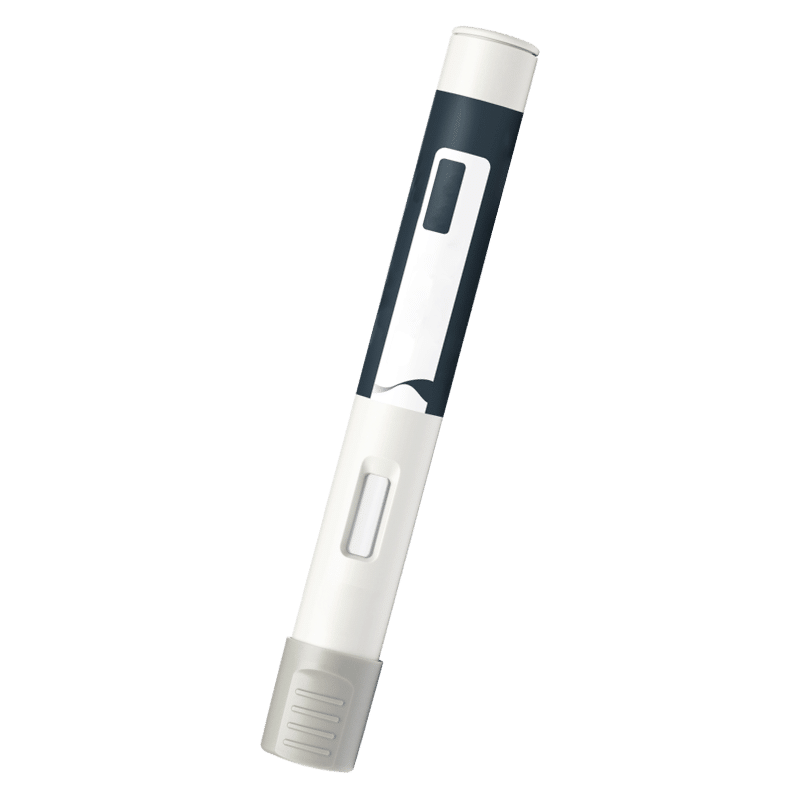
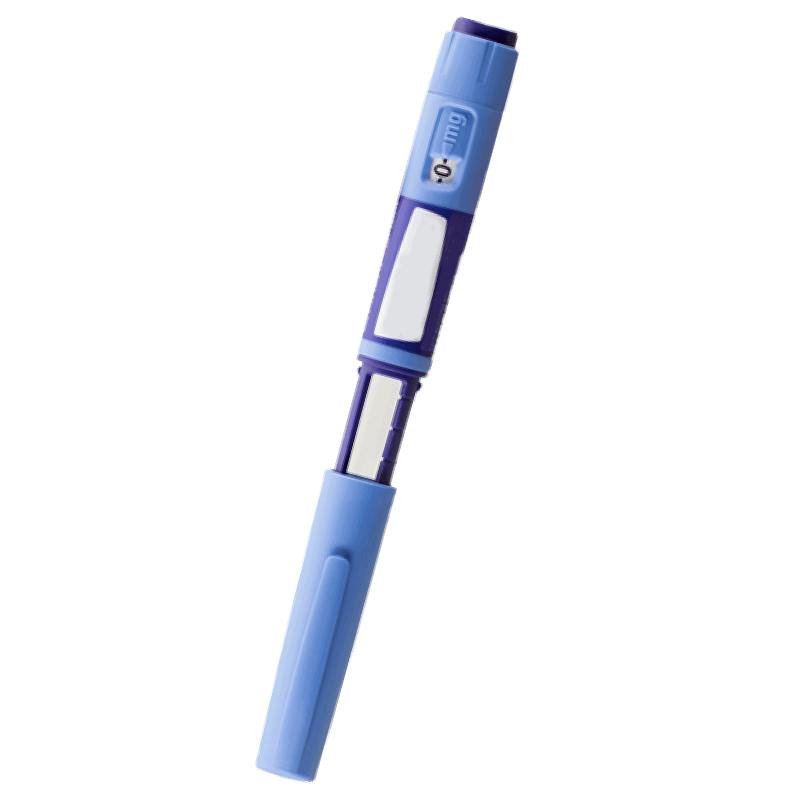
Sumatriptan is a form of migraine relief tablet. It works by reducing swollen blood vessels around the brain, which is what causes migraines. Sumatriptan is the main ingredient used in common branded migraine relief tablets such as Imitrex. You’ll take Sumatriptan when you first spot the signs of a migraine — like vision problems with aura, or the start of your headache.
One of the things that sets this medication apart is how much cheaper it is compared to other treatments. Sumatriptan is a generic medicine made by several companies and not just one. Just as with other things like clothes and food, pharmaceutical products that are name brands tend to be more expensive.
How does Sumatriptan work?
Migraines happen when blood vessels around the brain enlarge and swell. This is why it can feel like our head is expanding and throbbing when we suffer from headaches.
We don’t know exactly why they happen, but common migraine triggers can include:
Mental health difficulties like anxiety, depression, and stress
Disordered sleep and tiredness
Disordered eating
Having too much caffeine
Lack of exercise
Changes in hormones (like menstruation or menopause)
Sensory triggers
Dehydration
The active ingredient in Sumatriptan mimics a chemical in your brain called serotonin. This causes the inflamed vessels in your brain to narrow, which eases the feeling of pain.
But there are other complications that can come with migraines, too. Some people also get something called aura when they have migraines. Aura is best defined as a kind of warning sign that usually comes before a headache kicks in. Symptoms of this can include patchy dark spots or zig-zag lines interfering with your vision, dizziness and a feeling of pins and needles.
You can take Sumatriptan for migraines with or without aura, as it’s shown to be effective for both types.[1]
What doses of Sumatriptan are there?
Sumatriptan comes in three doses: 25mg, 50mg and 100mg. It’s normal to start on the lower dose and increase it if your symptoms don’t improve. Most medications can cause side effects, migraine tablets included. This is more likely if you take a higher dose, which is why you’ll normally start on the lower dose first to see if it works.
There are lower doses of Sumatriptan available but they’re administered differently. The nasal sprays, for example, range from 5mg to 20mg in dosage. But even though it’s a lower dose, because it’s used ‘locally’ (close to the brain), the effects of the dose are faster than a tablet in the same dose would be.
This page was written by The Treated Content Team.
This page was medically reviewed by Dr. Joseph Palumbo on November 28, 2024. Next review due on November 28, 2027.
How we source info.
When we present you with stats, data, opinion or a consensus, we’ll tell you where this came from. And we’ll only present data as clinically reliable if it’s come from a reputable source, such as a state or government-funded health body, a peer-reviewed medical journal, or a recognised analytics or data body. Read more in our editorial policy.
SumatriptanSumatriptan
How to take Sumatriptan
Follow these instructions when you take this medicine. This will help it to work at its best. If there’s anything you aren’t sure about, ask our physician.
Take as advised by our prescriber.
In most cases, this will be one tablet as and when required, when symptoms of a migraine attack begin to appear.
You should only need one tablet per attack.
If your symptoms return, you can take another tablet, as long as it’s been at least two hours since your original dose.
You may be prescribed an increased dose if the tablets you’ve been prescribed aren’t effective for you.
Swallow your tablet whole with water.
Don’t take more than 300mg in any one 24-hour period or exceed the amount prescribed for you.
There are some medications and conditions that can interfere with how sumatriptan works, too. You shouldn’t use sumatriptan if:
You have a heart condition (like narrowing of the arteries or chest pains), or you’ve had a heart attack in the past.
You have circulatory problems in your legs.
You’ve had any kind of stroke in the past.
You have serious liver disease.
You’re taking other migraine medicines containing ergotamine or triptan/5-HT receptor agonists.
You’re taking a type of antidepressant known as MAOIs (monoamine oxidase inhibitors).
Speak to a doctor if you have high blood pressure and want to use sumatriptan. Normally, you shouldn’t use sumatriptan alongside high blood pressure – but if your blood pressure is mild and being treated, you may be able to use it.
How long does it take Sumatriptan to work?
You should feel the effects of your migraine easing within 30-60 minutes of taking one sumatriptan tablet.
In a 2012 review of people using Sumatriptan, three in 10 people using the 100mg dose reported a decrease from ‘moderate’ or ‘severe’ pain to no pain by two hours. And six in 10 people reported that after two hours of taking 100mg, their pain reduced from ‘moderate’ or ‘severe’ to no worse than ‘mild’.[1]
In a 2020 study looking at the effectiveness of Sumatriptan, it was described as the first line treatment, with most people experiencing ‘significant’ pain relief within two hours.[2]
What should I do if I make a mistake when taking Sumatriptan?
Let a doctor know or go to your nearest hospital if you take more Sumatriptan than you should. It’s important that you never exceed the amount laid out in the package insert. With Sumatriptan the maximum dosage in any one 24-hour period is 300mg. So, the number of tablets you can take will depend on the dosage you have been prescribed. If you have exceeded this limit then you need to speak with your doctor for urgent advice.
This page was written by The Treated Content Team.
This page was medically reviewed by Dr. Joseph Palumbo on November 28, 2024. Next review due on November 28, 2027.
How we source info.
When we present you with stats, data, opinion or a consensus, we’ll tell you where this came from. And we’ll only present data as clinically reliable if it’s come from a reputable source, such as a state or government-funded health body, a peer-reviewed medical journal, or a recognised analytics or data body. Read more in our editorial policy.
SumatriptanSumatriptan
Sumatriptan isn’t suitable for everyone, and there are some things that you need to be aware of when taking it.
Here’s all the official info on it. If anything is unclear, let our clinician know, and they can talk with you about it.
SumatriptanSumatriptan
Sumatriptan: FAQ
Have something specific you want to know? Search our info below, or ask our experts a question if you can’t find what you’re looking for.
Which dose of Sumatriptan should I use?
Answer:
Normally you’ll start off on a 20mg or 50mg dose. This is to keep the risks of any adverse side effects to a minimum. If you have very severe symptoms or other health issues, then you might be prescribed the 100mg dose straight away. If you find that your dose hasn’t helped your symptoms, let us know, and we’ll go through some options with you.
How effective is Sumatriptan?
Answer:
Clinical trials have shown that Sumatriptan is an effective form of migraine relief medication. An analysis found that the majority of people using the medication find that their level of pain reduces from ‘severe’ or ‘moderate’ to ‘mild’ or ‘none’ after two hours. [1]
In a 2020 study involving Sumatriptan, it was reported that most people experienced ‘significant’ pain relief within the first two hours of taking it. It’s considered the first line of treatment for migraine.[2]
Do I need a prescription for Sumatriptan?
Answer:
Yes. Sumatriptan is a prescription only drug – so it’s really important that you speak with a physician to make sure it’s safe and right for you before it is prescribed. Our doctor will keep in touch to monitor your treatment to make sure you stay safe while you’re using it, too.
Is Sumatriptan similar to any other treatments?
Answer:
The closest alternative to Sumatriptan is Imitrex, which is essentially the same drug but branded. Because it’s a branded medicine, it’s normally more expensive. There are other forms of migraine relief available, and we recommend chatting with our doctor about them to see which option is best for you.
Treated trusted source:
Derry, C.J. et al. (2012).Sumatriptan (oral route of administration) for acute migraine attacks in adults. Cochrane Database of Systematic Reviews. 2012(2).
Our experts continually monitor new findings in health and medicine, and we update our articles when new info becomes available.
Nov 27, 2024
Published by: The Treated Content Team.Medically reviewed by: Dr. Joseph Palumbo, Senior Medical Adviser
How we source info.
When we present you with stats, data, opinion or a consensus, we’ll tell you where this came from. And we’ll only present data as clinically reliable if it’s come from a reputable source, such as a state or government-funded health body, a peer-reviewed medical journal, or a recognised analytics or data body. Read more in our editorial policy.
This is healthcare on your terms.
All from the comfort of your device. Get access to what you need, when you need it.
100% online
Ask questions and get expert recommendations, at the touch of a button.
Tailored choices
We'll narrow down some treatments for you to choose from based on your medical profile.
Secure shipping
Receive your treatment by express delivery, in discreet packaging.
Easy automatic refills
Set your own delivery schedule and pause or make changes any time you like.
Sumatriptan is reported to be a highly effective and fast-acting treatment for migraine attacks. Users find it successfully stops migraines, often within an hour, allowing them to continue with their daily responsibilities. It is considered a reliable solution when standard painkillers are insufficient, helping to manage and control migraine episodes effectively.
We're making healthcare more about you. Sign up to our newsletter for personalised health articles that make a difference.
Disclaimer: The information provided on this page is not a substitute for professional medical advice, diagnosis, or treatment. If you have any questions or concerns about your health, please talk to a doctor.
Dr. Joseph Palumbo
Senior Medical Adviser
Joseph joined Treated in 2023, and is one of the lead doctors providing prescribing services for the platform.
When we present you with stats, data, opinion or a consensus, we’ll tell you where this came from. And we’ll only present data as clinically reliable if it’s come from a reputable source, such as a state or government-funded health body, a peer-reviewed medical journal, or a recognised analytics or data body. Read more in our editorial policy.
Reviews you can trust
All of our reviews are collected from real patients after their treatment has been delivered.
We publish reviews collected through independent platforms including Reviews.io and Trustpilot.