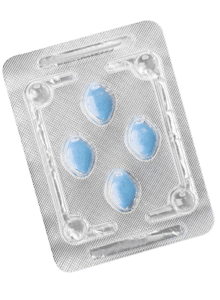
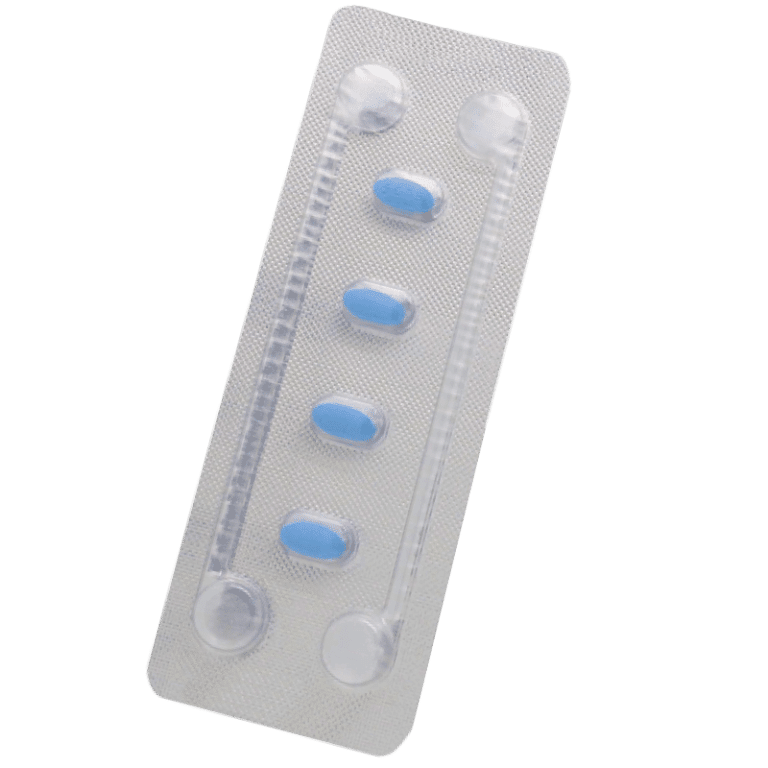
Famotidine works by reducing the amount of acid in your stomach, which is why it can be used to treat and prevent symptoms of gastroesophageal reflux disease (GERD). GERD is a condition where some of the stomach acid travels back into the esophagus (food pipe), resulting in heartburn, and sometimes, possible damage to tissues in the food pipe.
It has the same active ingredient as Pepcid and Zantac 360, famotidine, and works in the same way, but it’s typically more affordable.
What is Famotidine used for?
Apart from GERD, prescription-strength famotidine is used to treat other conditions that involve excessive acid production, like:
ulcers, which are sores on the lining of the stomach or small intestine; and:
Zollinger-Ellison syndrome, a condition where cancerous growths cause the stomach to produce too much acid.
Over-the-counter famotidine is used to relieve and prevent heartburn triggered by drinking and eating certain drinks or foods.
Besides taking famotidine or other medications for heartburn, you can also follow these tips:
try wearing loose clothing that applies less pressure on your belly;
avoid lying down or bending over right after eating;
avoid eating before going to bed;
try raising the head of your bed;
avoid spicy, fatty or fried foods, alcohol, caffeine, chocolate;
avoid fruits like oranges and grapefruit, and vegetables like onions and tomatoes that can cause your stomach to make more acid;
avoid large meals and try eating at a slower pace;
quit smoking; and:
try losing weight if you’re dealing with overweight or obesity.
How does Famotidine work?
In short, famotidine reduces the amount of acid your stomach makes.
It’s part of a class of medications called H2-blockers, which work by blocking histamine, a chemical that usually signals your stomach cells to release acid.[1]
By blocking histamine from binding to certain receptors in the stomach, famotidine prevents the release of excess acid, helping to relieve conditions caused by too much acid production.
What doses of Famotidine are there?
Prescription famotidine is available as a tablet and in powder for suspension form, and is taken by mouth. The tablets come in 10mg, 20mg, and 40mg doses and are typically taken once daily at bedtime or up to four times a day, depending on the condition being treated. It also comes as an injection, but this is usually given in hospitals.
Over-the-counter famotidine is available as 10mg and 20mg tablets. It’s usually taken once or twice a day to help relieve or prevent heartburn.
Treated trusted source:
Campoli-Richards, D.M. and Clissold, S.P. (1986). Famotidine. Pharmacodynamic and pharmacokinetic properties and a preliminary review of its therapeutic use in peptic ulcer disease and Zollinger-Ellison syndrome. Drugs, 32(3), pp.197–221
This page was written by The Treated Content Team.
This page was medically reviewed by Dr. Joseph Palumbo on February 24, 2025. Next review due on February 24, 2028.
How we source info.
When we present you with stats, data, opinion or a consensus, we’ll tell you where this came from. And we’ll only present data as clinically reliable if it’s come from a reputable source, such as a state or government-funded health body, a peer-reviewed medical journal, or a recognised analytics or data body. Read more in our editorial policy.
FamotidineFamotidine
How to take Famotidine
Take one Famotidine tablet with a full glass of water 15 minutes to one hour before eating or drinking anything that may trigger symptoms. Follow the instructions on your prescription or the package label carefully.
For GERD, your doctor may suggest taking it twice a day, once in the morning and once at bedtime.
How long does it take Famotidine to work?
Famotidine starts working within an hour after you take it, and becomes fully effective after one to three hours.[1] A single dose of famotidine typically provides relief for about 10 to 12 hours.[2]
What’s the best time to take Famotidine?
If you’re taking Famotidine once a day, it’s usually best to take it 15 minutes to an hour before your evening meal. This is because acid reflux tends to be worse at night—studies show that up to 79% of people with GERD experience symptoms during this time.[3] Taking Famotidine before dinner can help reduce acid production and prevent discomfort while you sleep.
What should I do if I make a mistake when taking Famotidine?
Don’t take more Famotidine tablets than you’re prescribed, or take them for longer than your doctor tells you to. If your symptoms last longer than six weeks, it’s best to get in touch with your doctor.
If you miss a dose of Famotidine, take it as soon as you remember. But if it’s almost time for your next dose, just skip the missed one and continue taking it as normal. Don’t take a double dose to make up for it.
Lee, K.J. (2011). Nocturnal Gastroesophageal Reflux: Assessment and Clinical Implications. Journal of Neurogastroenterology and Motility, 17(2), pp.105–107.
This page was written by The Treated Content Team.
This page was medically reviewed by Dr. Joseph Palumbo on February 24, 2025. Next review due on February 24, 2028.
How we source info.
When we present you with stats, data, opinion or a consensus, we’ll tell you where this came from. And we’ll only present data as clinically reliable if it’s come from a reputable source, such as a state or government-funded health body, a peer-reviewed medical journal, or a recognised analytics or data body. Read more in our editorial policy.
FamotidineFamotidine
Famotidine isn’t suitable for everyone, and there are some things that you need to be aware of when taking it.
Here’s all the official info on it. If anything is unclear, let our experts know, and they can talk with you about it.
FamotidineFamotidine
Famotidine: FAQ
Have something specific you want to know? Search our info below, or ask our experts a question if you can’t find what you’re looking for.
How is Famotidine different from other treatments for GERD?
Answer:
Famotidine is an H2 blocker, which means it helps reduce stomach acid by blocking the signals that tell your stomach to produce it. This makes it different from proton pump inhibitors (PPIs), like omeprazole, which work by shutting down the acid pumps in your stomach. Both types of medications help with acid reflux, but famotidine works faster and is often used for mild cases, while PPIs are better for more severe or long-term GERD.
Famotidine is also stronger and lasts longer than older H2 blockers like cimetidine and ranitidine, making it a reliable option for treating conditions like peptic ulcers and Zollinger-Ellison syndrome.[1][2]
Can I take Famotidine with other medications I’m using?
Answer:
Famotidine is generally safe to take with other medications, but it’s important to watch out for potential interactions. For example, famotidine can affect how your body absorbs certain medications, like antifungals, blood thinners, and some HIV drugs. Read the patient package insert before taking any medication with Famotidine or ask your doctor or pharmacist.
If you’re already taking medication like omeprazole for GERD, taking famotidine with omeprazole usually isn’t necessary since both reduce stomach acid in different ways. Using them together might not give you extra benefits and could increase the risk of side effects like stomach discomfort.
But you can take Tums (calcium carbonate) for extra relief, especially if you’re experiencing heartburn between doses of Famotidine. Just be sure to take your Famotidine tablet at least one hour before Tums, as calcium salts may decrease the plasma concentrations of famotidine.
Do I need a prescription for Famotidine?
Answer:
It depends on the strength and what condition you’re using it for. Famotidine is available both with and without a prescription. Over-the-counter (OTC) versions are typically used for occasional heartburn and come in lower doses.
If you need a higher dose or are using famotidine for a specific medical condition, like GERD or ulcers, your doctor may prescribe a stronger version with specific instructions on how to take it.
Can Famotidine cause long-term side effects?
Answer:
Long-term side effects from Famotidine are rare, but they can happen. Some potential issues include muscle or joint pain, heart palpitations, mood changes like anxiety or depression, seizures, and even liver problems.
If you’re taking famotidine regularly and notice anything unusual, get in touch with your doctor. They can help you to figure out if Famotidine is the cause and whether you need to adjust your treatment.
What are the side effects of Famotidine?
Answer:
Like any other medication, Famotidine can cause side effects. Most of the time, they’re mild and go away on their own. Some common ones include headaches, constipation, diarrhea and dizziness.
In rare cases, Famotidine can cause serious side effects. If you notice hives, a skin rash, itching, or swelling (especially in your face, throat or legs), or if you have trouble breathing or swallowing, get medical help right away. These could be signs of an allergic reaction, so don’t ignore them—call 911 or your healthcare provider immediately.
Can I drink alcohol while taking Famotidine?
Answer:
You can drink alcohol while taking medications like Famotidine, but it’s important to know that alcohol can make your symptoms worse and irritate your stomach. There’s no evidence to suggest that famotidine helps reduce the alcohol flush reaction (when your face turns red after drinking alcohol) either.
One thing to keep in mind is that famotidine can increase how quickly alcohol is absorbed into your bloodstream,[3] meaning you might feel its effects faster or more strongly. Also, if you have GERD, drinking alcohol could make your symptoms flare up, so it’s a good idea to be cautious and limit your intake.
Can you take Famotidine while pregnant?
Answer:
Yes, famotidine can be used during pregnancy if other types of acid-reducing medications aren’t suitable. Studies on H2 blockers, the class of medications famotidine belongs to, haven’t shown any problems related to pregnancy, like preterm delivery or low birth weight. However, it's always best to talk to your doctor before taking any medication while pregnant to make sure it's the right choice for you.[4]
Treated trusted source:
Campoli-Richards, D.M. and Clissold, S.P. (1986). Famotidine. Pharmacodynamic and pharmacokinetic properties and a preliminary review of its therapeutic use in peptic ulcer disease and Zollinger-Ellison syndrome. Drugs, 32(3), pp.197–221
Howard, J.M., et al. (1985).Famotidine, a New, Potent, Long-Acting Histamine H2-Receptor Antagonist: Comparison With Cimetidine and Ranitidine in the Treatment of Zollinger-Ellison Syndrome. Gastroenterology, 88(4), pp.1026–1033.
Moody, D.E. (2018).The inhibition of first-pass metabolism of ethanol by H2-receptor antagonists: a tabulated review. Expert Opinion on Drug Safety, 17(9), pp.917–934.
Matok, I., et al. (2010).The safety of H(2)-blockers use during pregnancy. Journal of clinical pharmacology, 50(1), pp.81–7.
Last updated on Feb 23, 2025.
How we reviewed this page:
Our experts continually monitor new findings in health and medicine, and we update our articles when new info becomes available.
Feb 23, 2025
Published by: The Treated Content Team.Medically reviewed by: Dr. Joseph Palumbo, Senior Medical Adviser
How we source info.
When we present you with stats, data, opinion or a consensus, we’ll tell you where this came from. And we’ll only present data as clinically reliable if it’s come from a reputable source, such as a state or government-funded health body, a peer-reviewed medical journal, or a recognised analytics or data body. Read more in our editorial policy.
This is healthcare on your terms.
All from the comfort of your device. Get access to what you need, when you need it.
100% online
Ask questions and get expert recommendations, at the touch of a button.
Tailored choices
We'll narrow down some treatments for you to choose from based on your medical profile.
Secure shipping
Receive your treatment by express delivery, in discreet packaging.
Easy automatic refills
Set your own delivery schedule and pause or make changes any time you like.
We're making healthcare more about you. Sign up to our newsletter for personalised health articles that make a difference.
Disclaimer: The information provided on this page is not a substitute for professional medical advice, diagnosis, or treatment. If you have any questions or concerns about your health, please talk to a doctor.
Dr. Joseph Palumbo
Senior Medical Adviser
Joseph joined Treated in 2023, and is one of the lead doctors providing prescribing services for the platform.
When we present you with stats, data, opinion or a consensus, we’ll tell you where this came from. And we’ll only present data as clinically reliable if it’s come from a reputable source, such as a state or government-funded health body, a peer-reviewed medical journal, or a recognised analytics or data body. Read more in our editorial policy.
Reviews you can trust
All of our reviews are collected from real patients after their treatment has been delivered.
We publish reviews collected through independent platforms including Reviews.io and Trustpilot.