

VerifiedFact Checked
How should you stop weight loss injections?

How should you stop weight loss injections?

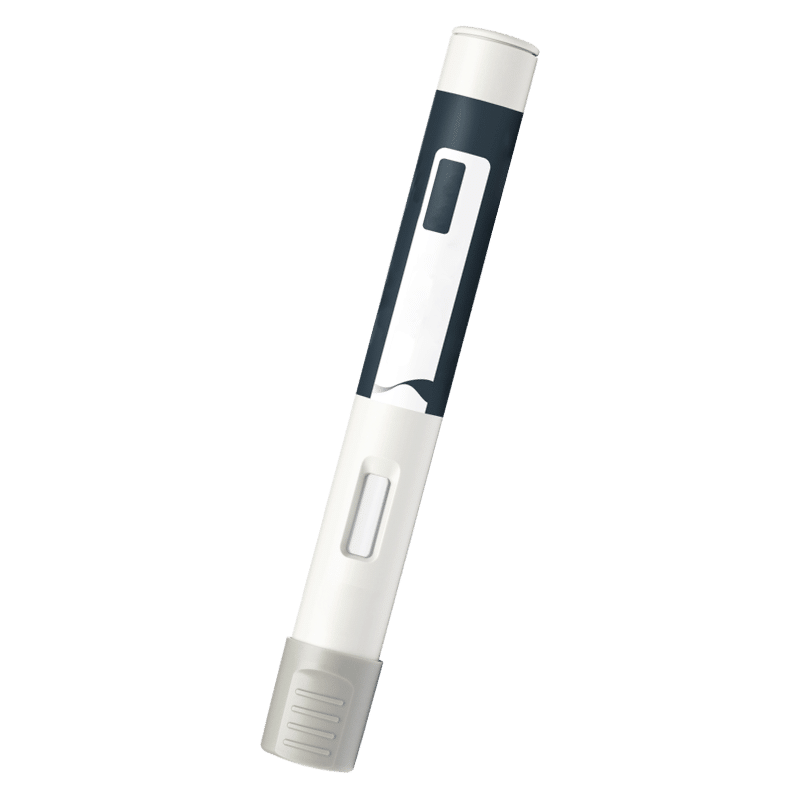
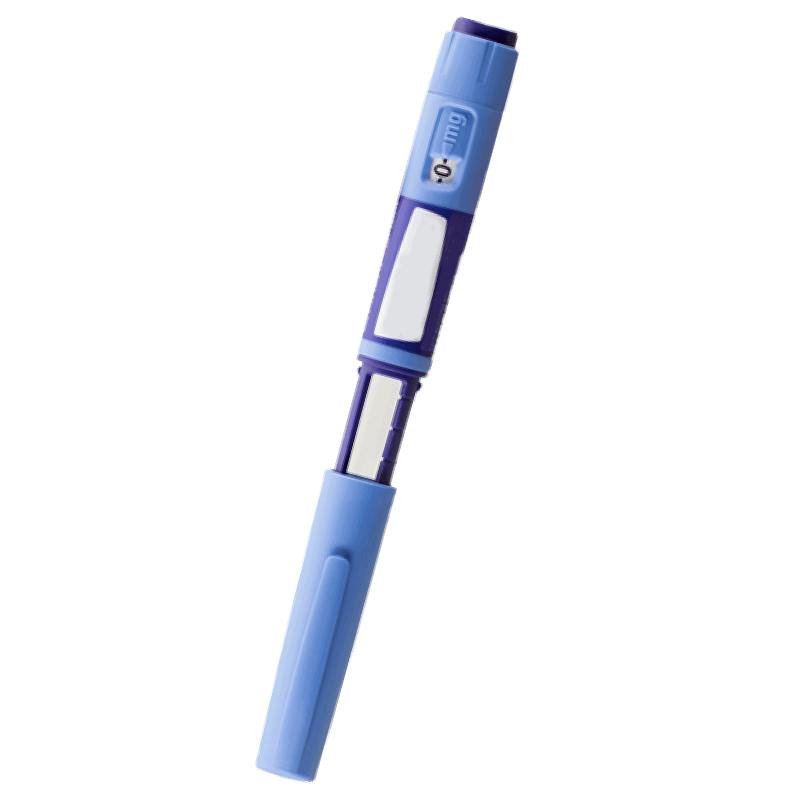
If you’re feeling satisfied with your weight loss results, you may consider stopping treatment with weight loss injections (WLIs). It's recommended to taper down through doses, to reduce the risk of side effects and prevent weight gain.

Alexandra Cristina Cowell
Medically reviewed by
Alexandra Cristina Cowell, Writer & Clinical Content Reviewer

But besides reaching your goal, there are other reasons for stopping treatment with WLIs. So it’s good to know when to taper down, and what to expect if you need to stop treatment suddenly.

Go to
Medically reviewed by
Dr Alexandra Cristina Cowell
Writer & Clinical Content Reviewer
on Jul 22, 2025.
Meet Alexandra Cristina  
Alexandra Cristina

Last updated on May 08, 2026.

Was this article useful?
Summary:
  • Gradually stopping injections after reaching your goal weight can help you to avoid side effects and regaining weight.
  • Talk to your doctor once you’ve reached your target weight and maintained it for a few months.
  • Weight loss may slow or stop as your body adjusts to the medication.
  • It’s not recommended to stop injections suddenly, as it can lead to strong hunger and fast weight gain.
  • A healthy diet, regular exercise, and planning are key after stopping.

When should you consider stopping your weight loss medication?

You might think the only time to stop taking WLIs is after you’ve reached your goal weight, but there may be other reasons why you might consider stopping.

You have achieved your goal weight

Once you’ve reached your target weight and have maintained it for a few months, you can discuss with your doctor how to taper off the treatment.

Each person will reach their target weight at a different time; for some, it may take up to a year, while for others, it may take even longer. While some insurance providers or medical guidelines may have suggestions regarding the duration of weight loss injections, other health experts claim continuing to take them can help sustain weight loss and preserve health benefits.

So there isn’t any specific timeframe on when everyone should stop; only you and your doctor can discuss this after reaching your target weight.

You’re having problematic side effects

It’s very common to get side effects when you start taking WLI. The most common side effects typically include nausea, vomiting, stomach issues and fatigue. As your body adjusts to the treatment, these side effects should subside. But after each dose increase, you may notice these side effects may worsen again temporarily.

Your healthcare provider will do their best to minimize the risk of side effects. They'll gradually increase your dose, provide tips to manage them, and avoid increasing the dosage until you’re ready.

But if the side effects persist or become severe, you may be advised to discontinue treatment for your overall health. You might be able to try an alternative weight loss medication, likely one that isn’t a GLP-1 – and your provider will be able to advise you on this.

The long-term cost is too much

Weight loss injections can be expensive. In the US, the cost of Wegovy can vary depending on insurance coverage, but the list price for a year’s supply can exceed $16,000. Zepbound costs over time can sometimes work out a little lower, but the list price may still reach $13,000 annually.

If you haven’t yet started WLI, try to financially plan for at least 1.5 years of treatment. This duration should provide you with enough time to achieve a significant amount of weight loss – approximately 8.3% mean weight loss achieved with Wegovy and 15.3% with Zepbound by month 12.

Additionally, this timeline will allow you to taper off the medication gradually, which can help prevent side effects and reduce the risk of regaining weight.

The medication isn't effective as it was

WLI can be effective for helping you lose weight. In the first few months, you should notice significant weight loss, but after a year or two, your progress might plateau.

This plateau usually happens for several reasons, including your body adapting to the medication, so it doesn’t have the same effects as it did initially.

Additionally, factors such as your diet and physical activity levels can contribute to this plateau. If you’ve stopped maintaining a calorie deficit or have been less active, you might not see as much of a difference in your weight loss progress.

You feel ‘ready’

If you’re satisfied with your weight loss and feel confident in your ability to maintain the results without further treatment, it might be time to stop your treatment. To help you decide if you’re ready, you might find it helpful to ask yourself:

  • Are you happy with your weight loss results?
  • Are you confident you can sustain this weight loss?
  • Are you physically active a few times a week?
  • Are you following a well-balanced, calorie-controlled diet?

If you answered ‘yes’ to all of these questions, it could be a good time to come off treatment.

How to come off weight loss injections

Your doctor will provide all the information on how to stop weight loss injections, but here’s what the process may look like:

Recommended tapering methods

The recommended way to discontinue GLP-1 treatment is to gradually decrease your dose. This will help minimize side effects, and give your body time to adjust to the reduced dose. This will allow you to solidify your healthy habits, like diet and exercise. Tapering off will also help prevent rapid weight gain, which is a challenge for many people after stopping treatment.

The tapering method will differ for each person. Generally, you’ll reduce the dose every few weeks, so it could take approximately four to five months to completely stop.

Is it safe to stop weight loss injections suddenly?

Unless you’ve been advised to by a healthcare provider for medical reasons (such as a drug interaction or side effects), then it generally isn’t recommended to stop using GLP-1 treatment suddenly. Doing so can lead to a big increase in appetite, which significantly increases your risk of weight regain.

GLP-1s promote a feeling of fullness, slow stomach emptying, and decrease appetite. Discontinuing them abruptly can lead to overeating. Many individuals might gain weight after stopping treatment, and stopping suddenly only increases this risk.

Stopping suddenly can also interfere with glucose metabolism and cause high blood sugar levels. This can lead to fatigue, blurred vision, and feeling excessively thirsty.

How to maximise your long-term success when stopping weight loss injections

Here are some tips on how to prevent weight regain after stopping treatment.

Lifestyle consolidation

Critically review your diet and exercise habits. If you have behaviors that cause you to overeat, try to change them. For example, if you tend to have a late-night snack, sleep earlier, or if you order out when there’s nothing to eat, consider meal prepping in advance.

Be strict with yourself. You should generally eat healthily and work out at least three times a week. But also allowing yourself cheat days can help you have a more sustainable lifestyle.

Remind yourself of the bigger picture. Think about why you started this weight loss treatment and how regaining weight will undermine the goal you set for yourself months or years ago.

Create a good support network. Allow support from your friends, family, registered dietitians, doctors, and online communities to help keep you on track.

Lastly, be nice to yourself. If you have a bad day of eating or didn’t work out like you hoped, try not to worry too much about it. So long as it doesn’t become part of your regular habits, a couple of bad days shouldn’t affect the progress you’ve been making for several years.

Want to stop weight loss treatment for another reason?

If you want to stop using weight loss injections or are unsure when to stop, contact your doctor, and they’ll answer any concerns you may have.

Reference Popover #ref1
Reference Popover #ref2
Reference Popover #ref3

Sourcing guidelines:

When we present you with stats, data, opinion or a consensus, we’ll tell you where this came from. And we’ll only present data as clinically reliable if it’s come from a reputable source, such as a state or government-funded health body, a peer-reviewed medical journal, or a recognised analytics or data body. Read more in our editorial policy.

Tell us what you want to hear.

Have a subject you’d like us to cover in a future article? Let us know.

Give us the inbox treatment.

We're making healthcare more about you. Sign up to our newsletter for personalized health articles that make a difference.

Disclaimer: The information provided on this page is not a substitute for professional medical advice, diagnosis, or treatment. If you have any questions or concerns about your health, please talk to a doctor.

Suggest a health guide

Tell us your idea here.

(And leave your email too, so we can let you know if we write an article based on your suggestion.)