

Cost
Gastric sleeve
In the US, a gastric sleeve may be covered by private insurance or Medicare if you meet specific BMI and health requirements. If you pay out-of-pocket (self-pay), the surgery can cost anywhere from $15,000 to $25,000.
Weight loss injections
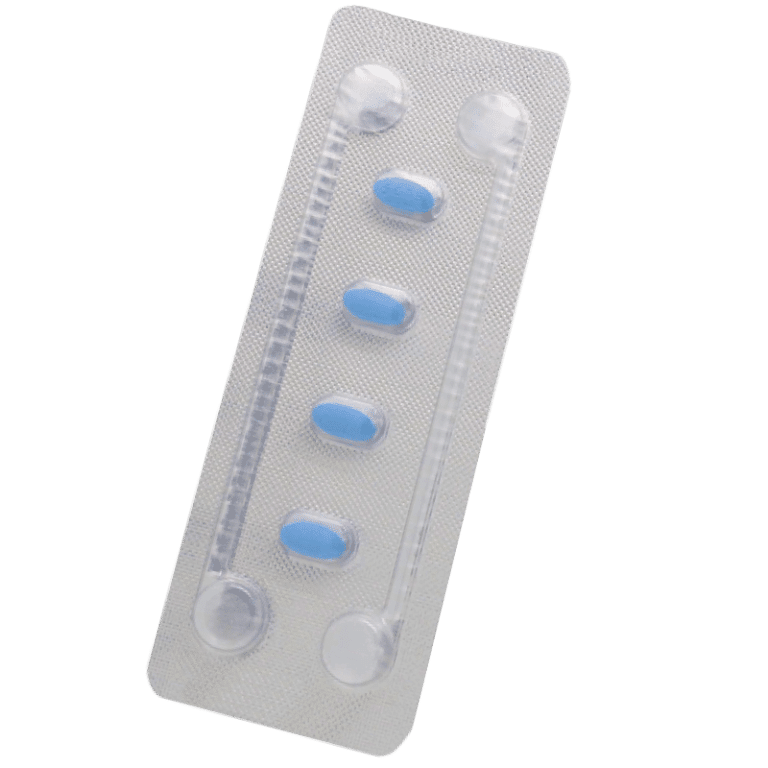
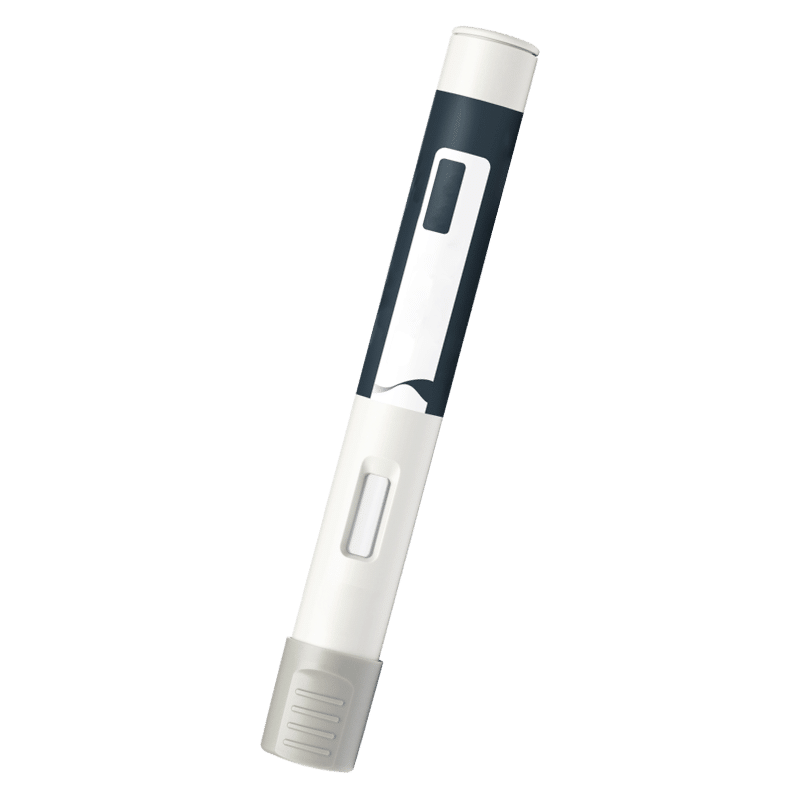
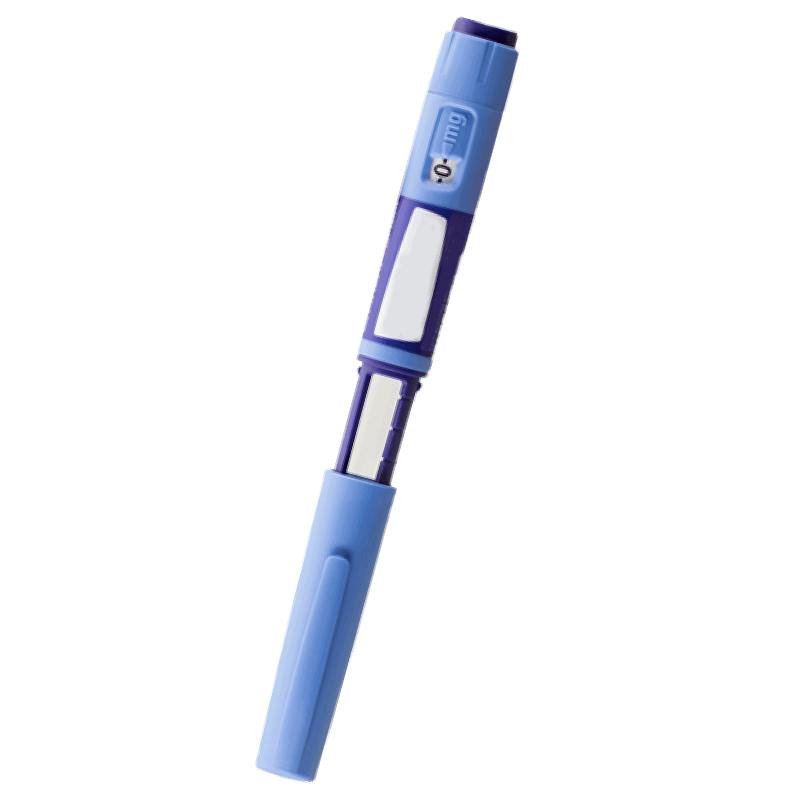
The cost of weight loss injections in the US varies wildly based on your insurance plan’s “formulary” (list of covered drugs). If covered, you may only pay a small monthly copay. If not covered, the list price for medications like Wegovy or Zepbound is over $1,000 per month. However, many pharmaceutical companies offer savings cards that can reduce the price to $550 or less for those with commercial insurance.
Efficacy
Both methods are effective at helping you lose weight. People lose an average of 25% of their body weight within a year after gastric sleeve, while you can lose up to 20% of your body weight within 72 weeks (a little over a year) of using tirzepatide (Zepbound).
To get the best from both treatments, it's essential to make healthy lifestyle changes alongside them. Without proper maintenance, there’s a significant risk of regaining weight with either option. So it's important to continue following a healthy diet and exercising regularly.
Safety
Both treatment methods are safe, but there’s a risk of side effects with each option. That said, the benefits of weight loss usually outweigh the potential risks and side effects of treatment.
Gastric sleeve
The surgery itself is very safe, with many patients having no complications. While there’s a slight risk of side effects, a study found that people who underwent gastric sleeve surgery had a reduced risk of mortality, complications, and reintervention.
Additional health benefits include reduced blood pressure, a lower risk of stroke, cancer, non-alcoholic fatty liver disease (NAFLD), and cardiovascular disease. Type 2 diabetes may also be reversed.
Weight loss injections
Weight loss injections are generally safe and well-tolerated. Although nearly all users may experience gastrointestinal side effects, such as nausea, vomiting, and diarrhea, these effects are usually manageable. In fact, only 1.8% of patients discontinued treatment with tirzepatide due to side effects. Furthermore, most side effects tend to subside within a few weeks as your body adjusts to the medication. Other health benefits include reduced blood pressure and improvement in blood sugar levels and knee and joint pain.