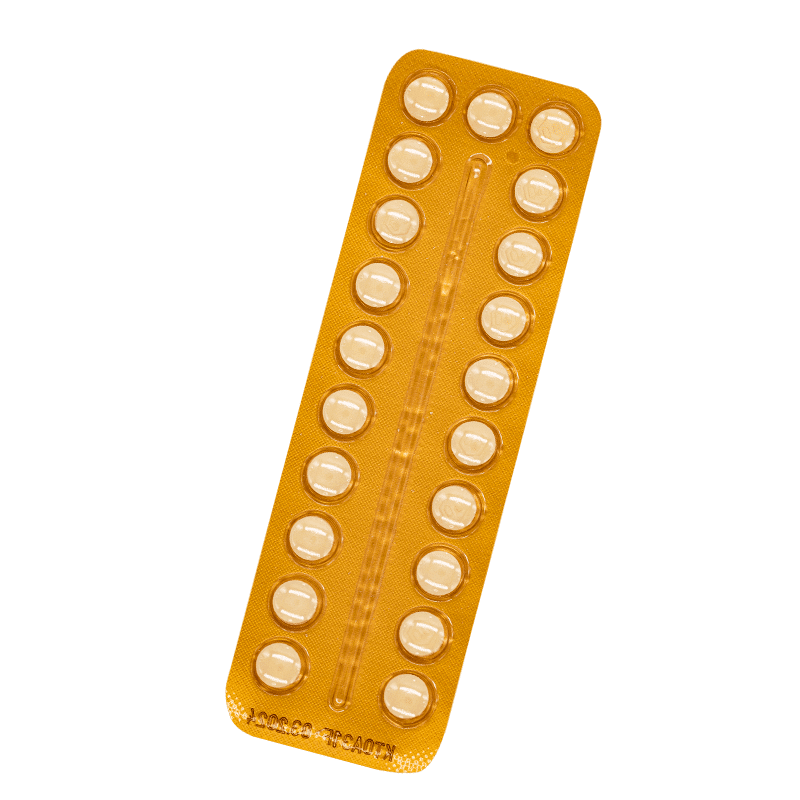
What is Omeprazole?
Omeprazole is a heartburn medication used to treat recurring acid reflux, alongside a range of other conditions. Acid reflux is when stomach acid rises up the food pipe lining and causes irritation and heartburn.
GERD can be caused by a combination of things. It’s often linked to the bundle of muscles between your stomach and esophagus losing strength. It’s also associated with more pressure caused by straining and coughing, food staying in the stomach for longer, excess acid in your stomach and stomach acid lingering in the esophagus. It can cause a range of symptoms, like stomach pain.
Omeprazole is the active ingredient and generic name of Prilosec. It comes as delayed-release capsules or tablets.
What is Omeprazole used for?
This page focuses on how Omeprazole works to treat GERD, which is the main condition it’s used to treat.
But Omeprazole is a generic medication that can also be used to:
- help symptoms of heartburn;
- treat a duodenal ulcer or stomach ulcer (also called a gastric ulcer);
- alleviate stomach ulcers caused by a helicobacter pylori infection;
- treat ulcers caused by drugs called NSAIDs (such as ibuprofen);
- relieve excess acid caused by a pancreatic growth (a condition called Zollinger-Ellison syndrome).
How do Omeprazole capsules work?
Omeprazole is a type of treatment called a proton pump inhibitor. This means the active ingredient in Omeprazole works on tiny membranes called proton pumps in the stomach lining. Proton pumps make and release the acid that breaks down food. If you have GERD your stomach produces too much acid, which causes discomfort.
Taking Omeprazole, like any other proton pump inhibitors, will stifle the action of your proton pumps, reducing the amount of acid your stomach produces. This helps to relieve symptoms of GERD and prevent acid reflux.
What doses of Omeprazole are there?
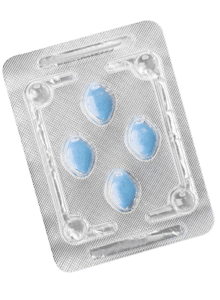
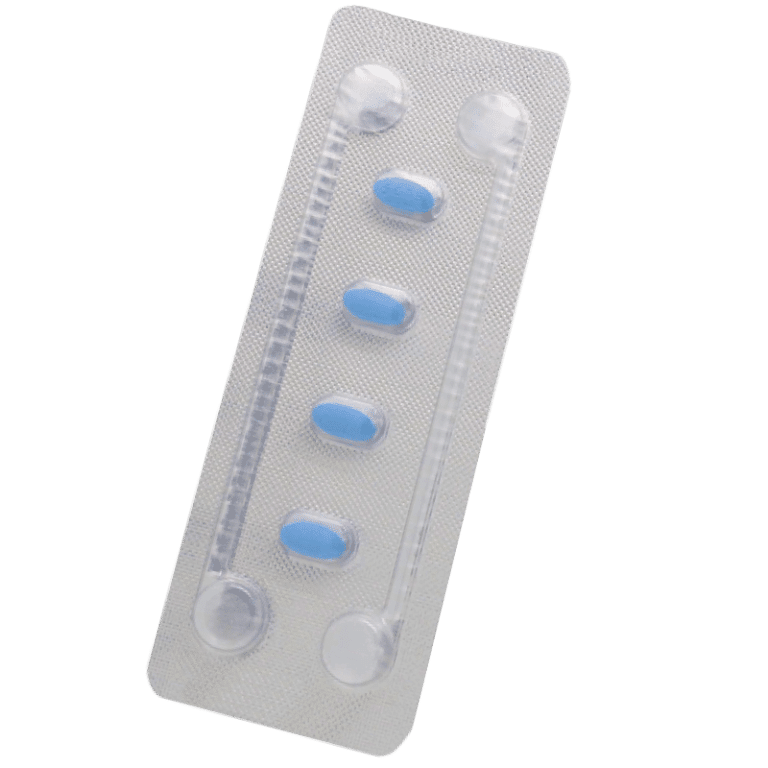
Omeprazole comes in both tablets and capsules. Omeprazole delayed-release capsules and tablets come in doses of 10mg, 20mg and 40mg.
Your Omeprazole dosage will depend on why you’re taking it and how uncomfortable your symptoms are, but treatment usually lasts four weeks and your usual starting dose will be low. If it’s an ongoing problem, you might need to take Omeprazole for longer.
Which dose of Omeprazole should I use?
Your Omeprazole dose depends on what it’s used to treat and also the severity of your symptoms. The dose to treat stomach ulcers will be different from the one for treating acid reflux.
- To treat stomach ulcers, you may be required to take a higher dose for a shorter period of time.
- To treat acid reflux symptoms you often need a lower dose for longer periods.
The dose also varies when you take it for prevention instead of treatment.
- To treat GERD you’ll usually need to take a 20 mg dose for four weeks.
- To prevent and control acid reflux symptoms you’ll take Omeprazole for a longer time.
For more info on treatment dosage and duration for your symptoms and needs, check the patient package insert that comes with your medicine. Or alternatively, ask your doctor or pharmacist.
If you’ve been taking a low dose of Omeprazole for GERD and find you’re still struggling, talk to a physician about raising your dosage.
How we source info.
When we present you with stats, data, opinion or a consensus, we’ll tell you where this came from. And we’ll only present data as clinically reliable if it’s come from a reputable source, such as a state or government-funded health body, a peer-reviewed medical journal, or a recognised analytics or data body. Read more in our editorial policy.