


Pantoprazole is a treatment for acid reflux and gastroesophageal reflux disease (GERD) and acid reflux, it’s also the active ingredient that’s found in branded Protonix.
Acid reflux happens when the sphincter muscle between the stomach and the esophagus becomes weak or fails to close tightly, causing food and stomach acids to flow back (reflux) into the esophagus. When this happens on a regular basis it’s known as GERD.
Pantoprazole reduces the amount of acid in your stomach which prevents any from traveling into the esophagus and throat.
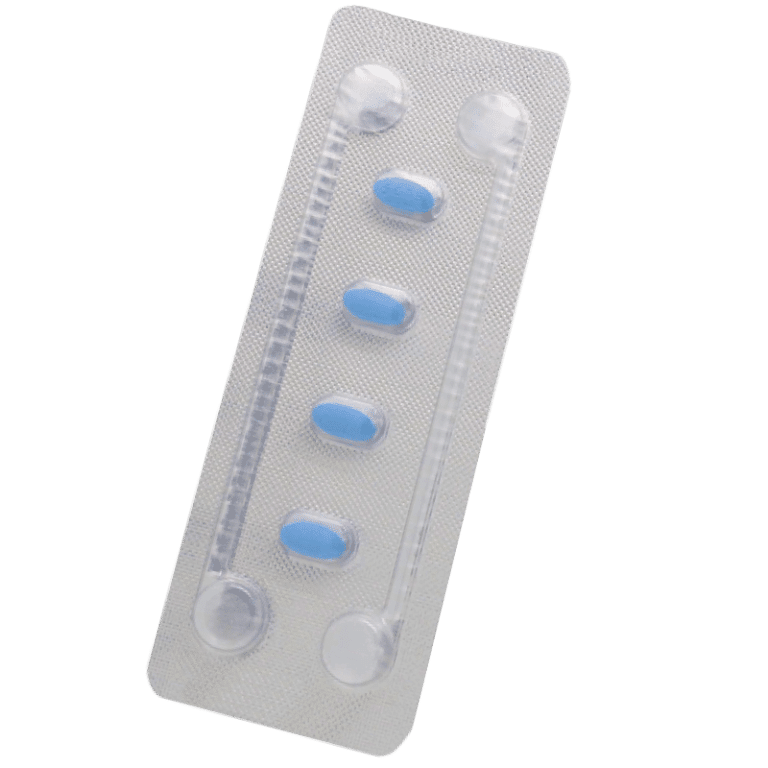
Pantoprazole is available as a gastro-resistant tablet (meaning that it passes through the stomach and into the intestine where it can work more effectively) and comes in two dosage strengths: 20mg and 40mg.
How does Pantoprazole work?
Acid reflux and GERD are common and frustrating conditions that can have a negative effect on quality of life.
The lining of the stomach is made up of cells that contain proton pumps that ‘pump’ acid into the stomach to help with the digestion of food. In some cases, the cells produce too much acid and this can cause irritation to the stomach and other parts of the digestive system. Excess acid made by the cells can flow out of the stomach and into the esophagus and throat. This acid is what causes the unpleasant feeling of heartburn.
If left untreated, acid reflux can damage the esophagus and throat. Common conditions caused by ongoing acid reflux, or GERD, are esophagitis and laryngitis.
Pantoprazole contains a proton pump inhibitor that prevents the cells from producing excess acid and relieves the short term symptoms of acid reflux and prevents the long-term effects too.[1]
What doses of Pantoprazole are there?
Pantoprazole tablets come in two doses: 20mg and 40mg. The usual dose for acid reflux is one 20mg tablet a day. This dose usually works to relieve symptoms within 2-4 weeks.
When taken to treat GERD, the length of treatment is longer. A doctor will usually prescribe a higher dose of 40mg per day at the beginning of treatment to treat the effects of acid reflux. Once the throat and stomach have healed, the dose is likely to be reduced to 20mg per day to control the production of acid and prevent a recurrence of symptoms.
Pantoprazole is also suitable for those with existing liver problems, although it’s advised that the dose should be limited to 20mg per day.
This page was written by The Treated Content Team.
This page was medically reviewed by Dr. Joseph Palumbo on February 19, 2025. Next review due on February 19, 2028.
How we source info.
When we present you with stats, data, opinion or a consensus, we’ll tell you where this came from. And we’ll only present data as clinically reliable if it’s come from a reputable source, such as a state or government-funded health body, a peer-reviewed medical journal, or a recognised analytics or data body. Read more in our editorial policy.
PantoprazolePantoprazole
How to take Pantoprazole
Always take Pantoprazole exactly as your physician tells you to.
Taking Pantoprazole
Take the tablets one hour before a meal.
Swallow the tablets whole, don’t crush or chew them.
Take them with water.
Recommended doses
To treat acid reflux and GERD
One 20mg tablet per day for 2-4 weeks.
After initial treatment, occasional recurring symptoms can be controlled by taking one 20mg tablet per day as required.
If symptoms persist, the daily dose can be increased to 40mg per day until the effects heal.
One 20mg tablet a day is then taken to control the acid reflux and prevent a recurrence of symptoms.
To prevent duodenal ulcers caused by NSAIDs
One 20mg tablet per day.
Patients with liver problems
Should not exceed one 20mg dose per day.
How long does it take Pantoprazole to work?
Pantoprazole is highly effective and starts to offer relief after a single dose as it takes less than three hours for it to fully reach the bloodstream. The usual course of treatment lasts four weeks, and over 98% of people experience significant relief from symptoms in this time.[1]
What should I do if I make a mistake when taking Pantoprazole?
If you forget to take a dose of Pantoprazole, take it as soon as you remember. If it’s almost time for your next dose, just skip the one you missed and continue as normal. Never take a double dose of Pantoprazole.
If you take too much Pantoprazole seek urgent medical assistance.
Treated trusted source:
Dabrowski, A., Štabuc, B. and Lazebnik, L. (2018). Meta-analysis of the efficacy and safety of pantoprazole in the treatment and symptom relief of patients with gastroesophageal reflux disease – PAN-STAR. Przegla̜d Gastroenterologiczny, 13(1), pp.6–15.
This page was written by The Treated Content Team.
This page was medically reviewed by Dr. Joseph Palumbo on February 19, 2025. Next review due on February 19, 2028.
How we source info.
When we present you with stats, data, opinion or a consensus, we’ll tell you where this came from. And we’ll only present data as clinically reliable if it’s come from a reputable source, such as a state or government-funded health body, a peer-reviewed medical journal, or a recognised analytics or data body. Read more in our editorial policy.
PantoprazolePantoprazole
Pantoprazole isn’t suitable for everyone, and there are some things that you need to be aware of when taking it.
Here’s all the official info on it. If anything is unclear, let our clinician know, and they can talk with you about it.
PantoprazolePantoprazole
Pantoprazole: FAQ
Have something specific you want to know? Search our info below, or ask our experts a question if you can’t find what you’re looking for.
How is Pantoprazole different to other GERD medications?
Answer:
There are a few different options when it comes to treating GERD. There are some medications that are available without prescription. Antacids, like Tums and Gaviscon, neutralize stomach acid and can be bought over the counter. H2-receptor antagonists, like Cimetidine, block the effects of histamine in the stomach to reduce acid.
Pantoprazole directly targets acid production by inhibiting the work of the proton pumps. There is another type of proton pump inhibitor called omeprazole (brand name Prilosec). This is sometimes available over the counter for heartburn and works in a similar way to pantoprazole. There are other branded medicines that work in this way including Protonix. Being a generic medication means that Pantoprazole is likely to be more cost effective than expensive branded versions.
Can I drink alcohol while taking Pantoprazole?
Answer:
Technically, yes, you can drink alcohol while taking Pantoprazole. However, it’s a good idea to reduce your alcohol intake as alcohol creates more acid in the stomach - which can then worsen GERD symptoms.
Does Pantoprazole cause side effects?
Answer:
Like all medications, Pantoprazole can come with side effects, but not everyone will experience them. Some of the most common are stomach pain, diarrhea, and headaches. These are normally mild, and go away once you stop using the medicine.
Which dose of Pantoprazole should I use?
Answer:
The dose you take will depend on the nature and severity of your symptoms. For example the dose taken for prevention of peptic ulcers differs from that taken for acid reflux. Similarly, the dose taken for a single occurrence of acid reflux will be different to that taken for GERD.
Typically, a single four week dose of one 20mg tablet a day is enough to treat acid reflux and give the stomach and throat time to heal. In more severe cases treatment might stretch to eight weeks, and sometimes beyond that.
As you work through your treatment plan, you might change doses as and when it is necessary to manage your symptoms.
Do I need a prescription for Pantoprazole?
Answer:
Yes, Pantoprazole is available by prescription only. A doctor needs to assess your symptoms and overall health before prescribing this medication to ensure it’s safe and appropriate for you. Regular monitoring is also important to address any potential side effects or necessary dosage adjustments during your treatment.
How effective is Pantoprazole?
Answer:
Pantoprazole is very effective at treating acid reflux and GERD because it addresses the root of the problem, and in doing so allows the body to recover from their effects.
Ninety eight percent of people see results after a single four week course of treatment. In more severe cases it can take longer for Pantoprazole to have its maximum effect. In this case 93% of people with more severe symptoms found Pantoprazole worked after they’d taken it for eight weeks.[1]
Treated trusted source:
Dabrowski, A., Štabuc, B. and Lazebnik, L. (2018). Meta-analysis of the efficacy and safety of pantoprazole in the treatment and symptom relief of patients with gastroesophageal reflux disease – PAN-STAR. Przegla̜d Gastroenterologiczny, 13(1), pp.6–15.
Last updated on Feb 18, 2025.
How we reviewed this page:
Our experts continually monitor new findings in health and medicine, and we update our articles when new info becomes available.
Feb 18, 2025
Published by: The Treated Content Team.Medically reviewed by: Dr. Joseph Palumbo, Senior Medical Adviser
How we source info.
When we present you with stats, data, opinion or a consensus, we’ll tell you where this came from. And we’ll only present data as clinically reliable if it’s come from a reputable source, such as a state or government-funded health body, a peer-reviewed medical journal, or a recognised analytics or data body. Read more in our editorial policy.
This is healthcare on your terms.
All from the comfort of your device. Get access to what you need, when you need it.
100% online
Ask questions and get expert recommendations, at the touch of a button.
Tailored choices
We'll narrow down some treatments for you to choose from based on your medical profile.
Secure shipping
Receive your treatment by express delivery, in discreet packaging.
Easy automatic refills
Set your own delivery schedule and pause or make changes any time you like.
We're making healthcare more about you. Sign up to our newsletter for personalised health articles that make a difference.
Disclaimer: The information provided on this page is not a substitute for professional medical advice, diagnosis, or treatment. If you have any questions or concerns about your health, please talk to a doctor.
Dr. Joseph Palumbo
Senior Medical Adviser
Joseph joined Treated in 2023, and is one of the lead doctors providing prescribing services for the platform.
When we present you with stats, data, opinion or a consensus, we’ll tell you where this came from. And we’ll only present data as clinically reliable if it’s come from a reputable source, such as a state or government-funded health body, a peer-reviewed medical journal, or a recognised analytics or data body. Read more in our editorial policy.
Reviews you can trust
All of our reviews are collected from real patients after their treatment has been delivered.
We publish reviews collected through independent platforms including Reviews.io and Trustpilot.