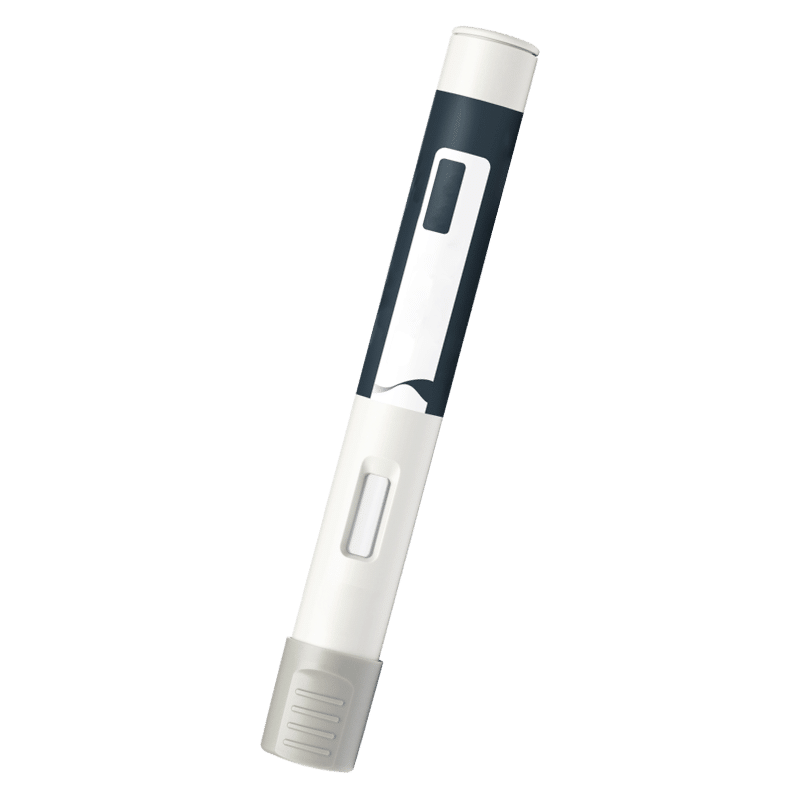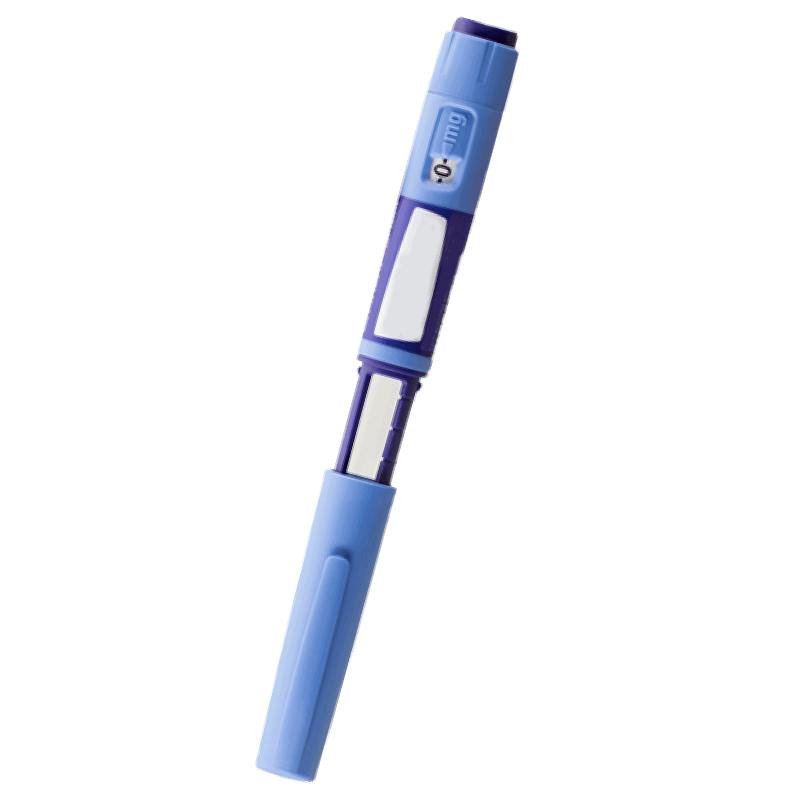
At the moment, generic versions of Wegovy aren’t expected anytime soon in the US. That’s because the patent for semaglutide, the active ingredient in Wegovy, hasn’t expired here yet. While it’s due to expire in some countries starting in 2026, the US still has protection in place for a few more years.

What this means in practice is that it’s very likely that other countries, where the patent is set to expire, will start producing cheaper versions of Wegovy. But these won’t be available in the US just yet.
So far, patents for semaglutide have expired or are expiring soon in countries like India, Canada, China, Turkey, South Africa, and Brazil.
Briefly, a medical patent gives a pharmaceutical company exclusive rights to make and sell a medicine for a set period of time. It’s basically like a “temporary monopoly.” So when a company like Novo Nordisk invests billions in developing a new drug, the government gives them that exclusivity to help them recoup their research costs.
But once the patent expires, other companies can make their own generic (usually cheaper) versions of the medication.
When this happens usually comes down to how different countries apply or interpret patent laws. As a rule of thumb, generics tend to appear earlier in countries like India or Brazil, where the legal threshold for extending a patent is often higher than in the US.
The semaglutide patent is set to expire in approximately 10 countries in 2026, and these countries together represent about 44% of the global population and around 48% of the global obesity burden. This is likely to have a massive impact, especially in terms of cost and accessibility.
Countries like India, where the patent expired in March 2026, have already seen around 40 pharmaceutical companies rushing in to develop new, lower-cost versions of semaglutide. In some estimates, prices could drop by as much as 80% to 90%, which means that weight-loss treatments will become much more accessible.
The availability of generics could also really help ease global demand, as some regions, including the US and Europe, are still facing shortages and strong pressure on supply for weight-loss injections.
However, it’s important to remember that major markets like the US, Europe, and the UK still have active patents in place, and will do so until the early 2030s, so access to generics will be limited in these regions until then.
In the US, the situation is quite different. The patent for semaglutide is expected to remain in place until at least 2032. This means that generic versions of semaglutide cannot be legally produced or sold here until at least then.
A good comparison is Victoza. Once its patent protections shifted in the US, generic liraglutide became available through licensed pharmacies.
You might be thinking, “Can’t we just import the cheap versions from India?” This may seem tempting, but the reality is that even if other countries start producing semaglutide at much lower prices, those generics can’t be legally imported into the US due to patent protection laws.
So for now, access remains limited to the original branded product.
Until the patent for semaglutide expires in 2032, anything being sold as “generic semaglutide” in the US is going to be unregulated or illegal.
The issue with unregulated medicines is that there’s no official authority checking them for quality, safety, or correct dosing. So as a patient, you can’t be sure what you’re actually getting.
At the moment, the only safe and legal way to access semaglutide for weight loss in the US is through Wegovy, manufactured by Novo Nordisk, and dispensed through a licensed pharmacy.
How Low Could Semaglutide Prices Fall? An Analysis of Production Cost and Implications for Global Access Ahead of Patent Expiry, medRxiv [Preprint].
Sourcing guidelines:
When we present you with stats, data, opinion or a consensus, we’ll tell you where this came from. And we’ll only present data as clinically reliable if it’s come from a reputable source, such as a state or government-funded health body, a peer-reviewed medical journal, or a recognised analytics or data body. Read more in our editorial policy.
Have a subject you’d like us to cover in a future article? Let us know.
We're making healthcare more about you. Sign up to our newsletter for personalized health articles that make a difference.
Disclaimer: The information provided on this page is not a substitute for professional medical advice, diagnosis, or treatment. If you have any questions or concerns about your health, please talk to a doctor.
Authorised and Regulated by:
We couldn't find what you're looking for.
Here's everything we treat. Or, if you're looking for something we don't have yet, you can suggest something.
(And leave your email too, so we can let you know if we write an article based on your suggestion.)
By clicking 'Subscribe now' you're agreeing to our Privacy Policy.
(And leave your email too, so we can let you know if we write an article based on your suggestion.)
Last updated on Jul 3, 2026.
Our experts continually monitor new findings in health and medicine, and we update our articles when new info becomes available.
Jul 03, 2026
Published by: The Treated Content Team. Medically reviewed by: Mr Craig Marsh, Clinical ReviewerHow we source info.
When we present you with stats, data, opinion or a consensus, we’ll tell you where this came from. And we’ll only present data as clinically reliable if it’s come from a reputable source, such as a state or government-funded health body, a peer-reviewed medical journal, or a recognised analytics or data body. Read more in our editorial policy.
Clinical Reviewer
Pharmacy prescriber Craig is based in the UK and regularly reviews our content to ensure clinical accuracy. On pages he's checked, you'll see his reviewer card.
MeetHow we source info.
When we present you with stats, data, opinion or a consensus, we’ll tell you where this came from. And we’ll only present data as clinically reliable if it’s come from a reputable source, such as a state or government-funded health body, a peer-reviewed medical journal, or a recognised analytics or data body. Read more in our editorial policy.