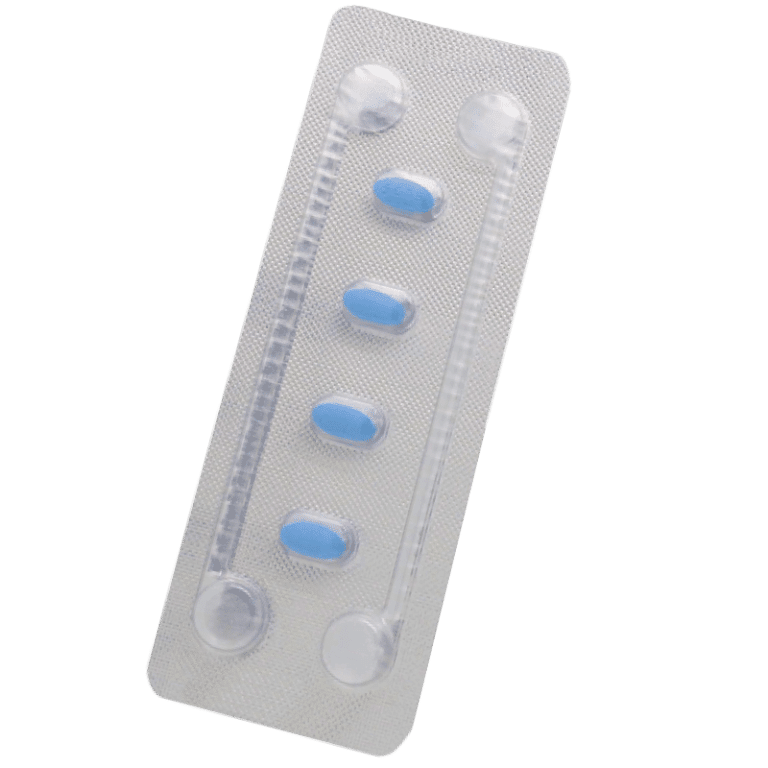
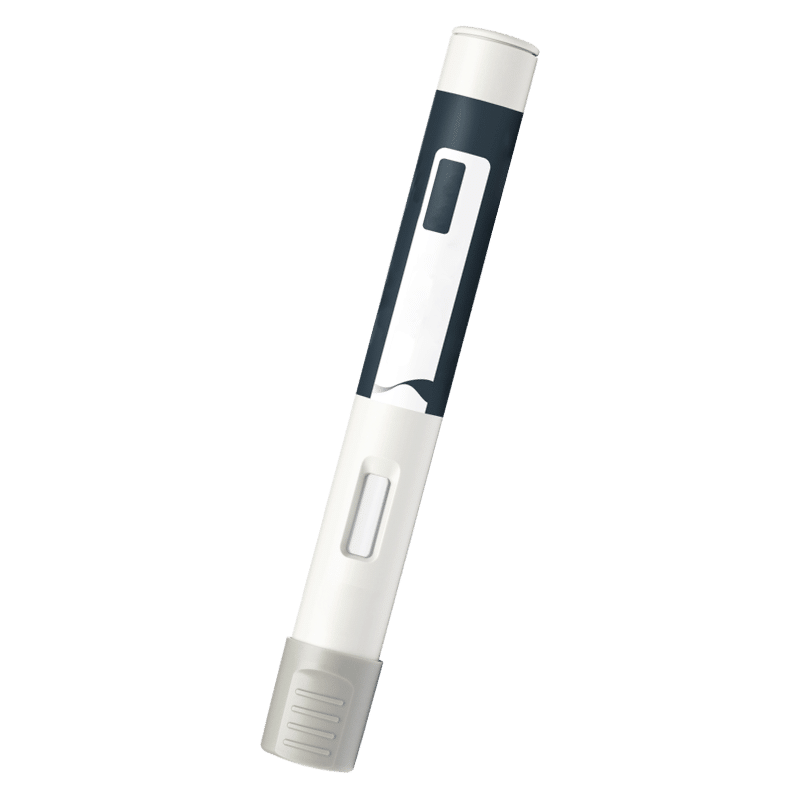
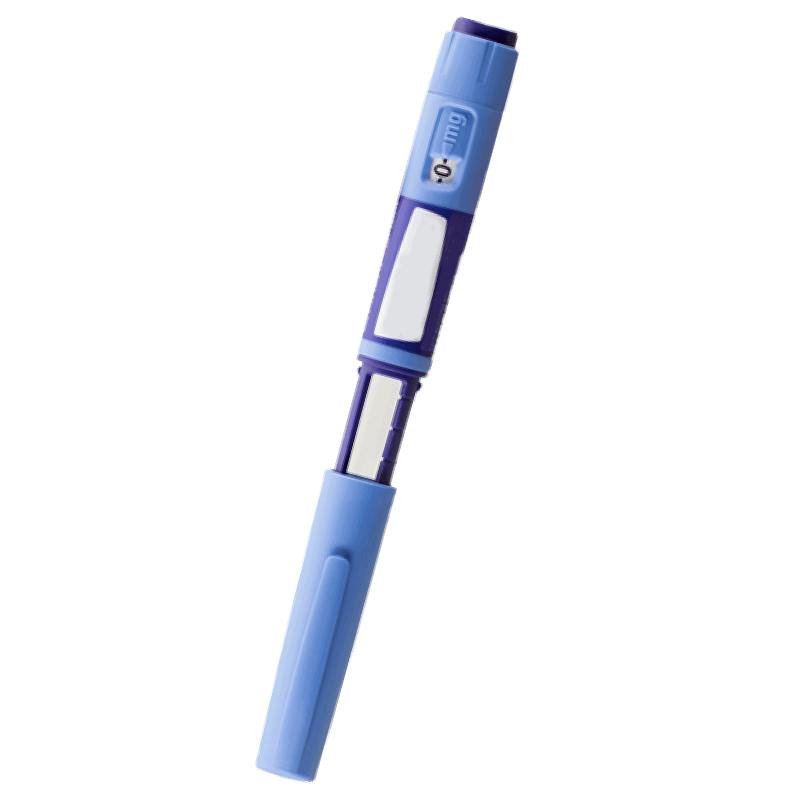
Prevacid is a proton pump inhibitor that helps relieve heartburn and GERD symptoms. GERD occurs when acid from your stomach travels up to the throat, causing heartburn and throat pain. While the occasional heartburn doesn’t need treatment, frequent occurrences can damage your esophagus.
Prevacid reduces stomach acid production, helping to prevent acid reflux. It can also help heal a damaged esophagus and prevent stomach ulcers from forming.
How does Prevacid work?
Lansoprazole, the active ingredient in Prevacid, is a proton pump inhibitor that stops the proton pump enzymes from producing and releasing acid. This increases your stomach’s pH level, which reduces acid reflux.[1]
What doses of Prevacid are there?
Prevacid is available in two doses: 15mg and 30mg. The dosage will differ depending on the severity of your condition. If you have a more serious case of GERD, you’ll typically take 30mg for four weeks, and then, after your symptoms improve, your doctor may lower your dosage to 15mg.
This page was written by The Treated Content Team.
This page was medically reviewed by Dr. Joseph Palumbo on March 03, 2025. Next review due on March 03, 2028.
How we source info.
When we present you with stats, data, opinion or a consensus, we’ll tell you where this came from. And we’ll only present data as clinically reliable if it’s come from a reputable source, such as a state or government-funded health body, a peer-reviewed medical journal, or a recognised analytics or data body. Read more in our editorial policy.
PrevacidLansoprazole
How to take Prevacid
Swallow the tablet whole with some water. Don’t crush or chew the tablets, as this will make them less effective.
If you’re taking Prevacid once daily, it’s best to take it in the morning 30 minutes to an hour before eating, around the same time each day. If you’re taking two tablets daily, take one dose in the morning and the second pill in the evening.
You shouldn’t stop treatment without informing your doctor first. Even if you think your condition has improved, not finishing the full treatment course can make your symptoms return.
How long does Prevacid take to work?
It can take about three days to start feeling the effects of Prevacid, but the full benefits might not be noticeable for up to four weeks.
If your symptoms haven’t improved after four weeks, contact your doctor. They might increase your dose or suggest an alternative treatment.
What should I do if I make a mistake when taking Prevacid?
If you accidentally took more than the recommended dose, contact your local pharmacy for medical advice.
If you forget to take a dose, take it as soon as you remember unless it’s almost time for your next dose. In that case, skip the missed dose and continue as usual.
This page was written by The Treated Content Team.
This page was medically reviewed by Dr. Joseph Palumbo on March 03, 2025. Next review due on March 03, 2028.
How we source info.
When we present you with stats, data, opinion or a consensus, we’ll tell you where this came from. And we’ll only present data as clinically reliable if it’s come from a reputable source, such as a state or government-funded health body, a peer-reviewed medical journal, or a recognised analytics or data body. Read more in our editorial policy.
PrevacidLansoprazole
Prevacid isn’t suitable for everyone, and there are some things that you need to be aware of when taking it.
Here’s all the official info on it. If anything is unclear, let our doctor know, and they can talk with you about it.
PrevacidLansoprazole
Prevacid: FAQ
Have something specific you want to know? Search our info below, or ask our experts a question if you can’t find what you’re looking for.
Is Prevacid available over-the-counter?
Answer:
Prevacid isn't available over-the-counter (OTC); you’ll need a prescription for it. However, a similar treatment called Prevacid 24 HR is available OTC.
Standard Prevacid and Prevacid 24 HR contain the same active ingredient, but there are a few key differences between them:
Doses: Prevacid is available in two doses: 15mg and 30mg, while Prevacid 24 HR only comes as a 15mg pill. This gives you more flexibility with standard Prevacid.
Use: Prevacid 24 HR is used for short-term relief from heartburn, whereas Prevacid can be used for multiple conditions, such as long-term relief for GERD, stomach ulcers and H.pylori infections.
Prescription status: Prevacid 24 HR is available OTC, but standard Prevacid requires a prescription.
Will I get side effects using Prevacid?
Answer:
There's a risk of experiencing side effects while using Prevacid, although not everyone will get them. Some common side effects include:
Headache
Dizziness
Nausea
Vomiting
Constipation
Diarrhea
Gas
Skin rash
Itching
Fatigue
These side effects should be tolerable and go away as your body adjusts to the treatment in a few weeks.
In the meantime, here are some things you can do to make them manageable:
For nausea, vomiting, and stomach issues, try eating smaller meals more frequently to avoid overwhelming your stomach. Also, stick to bland and simple foods.
For headaches, make sure to drink plenty of water throughout the day.
Is there a generic version of Prevacid?
Answer:
Yes, there’s a generic version of Prevacid simply called lansoprazole. Both treatments contain the same active ingredient at the same concentrations, making them equally effective. The differences are in packaging and price – the generic version tends to be cheaper than the branded equivalent.
Which has fewer side effects: Prevacid or Pepcid?
Answer:
Prevacid (lansoprazole) and Pepcid (famotidine) are two treatments for GERD. Prevacid is a proton pump inhibitor that reduces the production of stomach acid, while Pepcid is an antihistamine that also decreases stomach acid production but in a different way.
Although both medications carry a risk of side effects, one study found that lansoprazole has a slightly higher risk compared to famotidine. Approximately 8.6% of patients reported side effects while taking lansoprazole, compared to 4.4% for famotidine.[2]
The most common side effects experienced with lansoprazole included:
Diarrhea
Loose stools
Constipation
Dry mouth
The most common side effects explained with famotidine included:
Headache
Nausea
Vomiting
Diarrhea
Bloating
Overall, for both treatments, the patients found the side effects to be mild, and they subsided after a few weeks.[2]
Treated trusted source:
I. Janczewska, et al. (1998).Comparison of the Effect of Lansoprazole and Omeprazole on Intragastric Acidity and Gastroesophageal Reflux in Patients with Gastroesophageal Reflux Disease. Scandinavian Journal of Gastroenterology, 33(12), 1239–1243.
Hotz, J., et al. (1992).Lansoprazole versus famotidine: Efficacy and tolerance in the acute management of duodenal ulceration. Alimentary Pharmacology & Therapeutics, 6(1), 87-95.
Last updated on Mar 02, 2025.
How we reviewed this page:
Our experts continually monitor new findings in health and medicine, and we update our articles when new info becomes available.
Mar 02, 2025
Published by: The Treated Content Team.Medically reviewed by: Dr. Joseph Palumbo, Senior Medical Adviser
How we source info.
When we present you with stats, data, opinion or a consensus, we’ll tell you where this came from. And we’ll only present data as clinically reliable if it’s come from a reputable source, such as a state or government-funded health body, a peer-reviewed medical journal, or a recognised analytics or data body. Read more in our editorial policy.
This is healthcare on your terms.
All from the comfort of your device. Get access to what you need, when you need it.
100% online
Ask questions and get expert recommendations, at the touch of a button.
Tailored choices
We'll narrow down some treatments for you to choose from based on your medical profile.
Secure shipping
Receive your treatment by express delivery, in discreet packaging.
Easy automatic refills
Set your own delivery schedule and pause or make changes any time you like.
We're making healthcare more about you. Sign up to our newsletter for personalised health articles that make a difference.
Disclaimer: The information provided on this page is not a substitute for professional medical advice, diagnosis, or treatment. If you have any questions or concerns about your health, please talk to a doctor.
Dr. Joseph Palumbo
Senior Medical Adviser
Joseph joined Treated in 2023, and is one of the lead doctors providing prescribing services for the platform.
When we present you with stats, data, opinion or a consensus, we’ll tell you where this came from. And we’ll only present data as clinically reliable if it’s come from a reputable source, such as a state or government-funded health body, a peer-reviewed medical journal, or a recognised analytics or data body. Read more in our editorial policy.
Reviews you can trust
All of our reviews are collected from real patients after their treatment has been delivered.
We publish reviews collected through independent platforms including Reviews.io and Trustpilot.