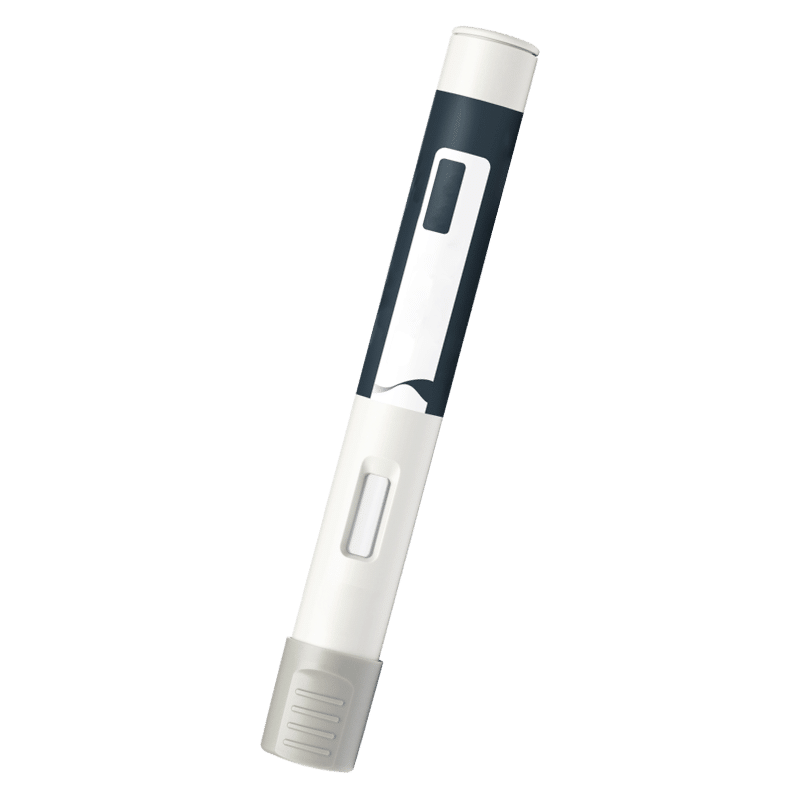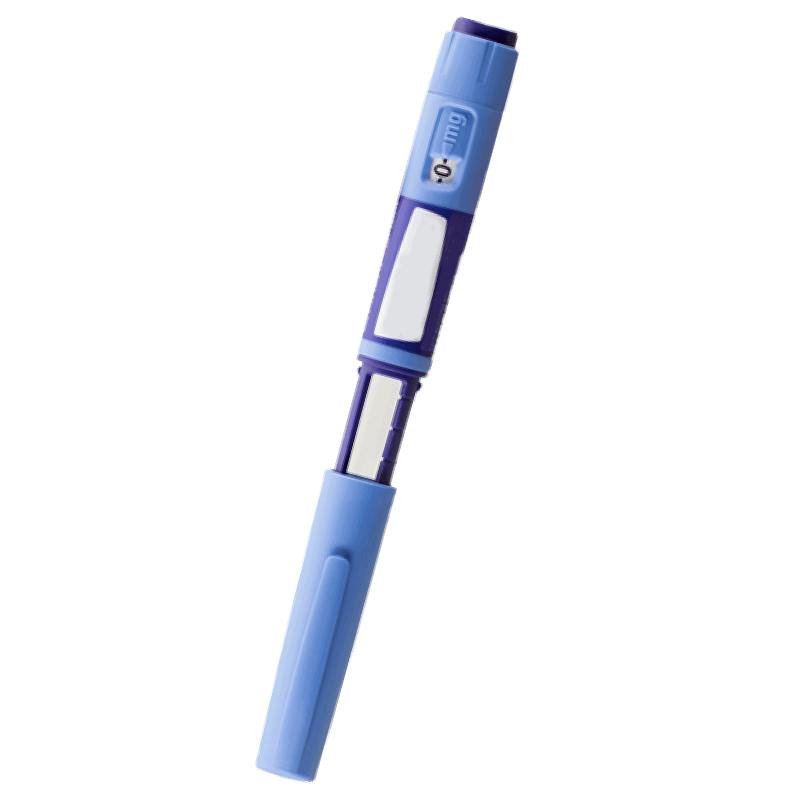
As weight loss injections gain popularity, many products and apps are now available to assist people in their weight loss journeys.
These tools can include weight trackers to monitor your progress, as well as supplements to help manage potential side effects.

Last updated on May 01, 2026.
Tracking your progress is an important part of your weight loss journey. It helps you monitor how much weight you are losing each week and provides an estimate of when you can expect to reach your weight loss goals.
Some tools even help you track which injection you need to take and when, making it easier to remember and ensuring you never miss a dose.
Certain scales can connect to an app to provide a comprehensive analysis of your body composition. These scales can predict how much muscle and fat mass you have, which is especially useful during weight loss, as you can track your muscle mass. Muscle mass is often lost while on GLP-1 treatments (alongside fat), so it’s important to maintain it through diet and strength training.
Monitoring your fat is also useful. For women, a healthy body fat percentage should be around 21%-35% depending on your age and activity level, while for men, it should be around 8%-24% (again, depending on age and activity level). Exceeding these levels can increase the risk of cardiovascular diseases, high blood pressure, and type 2 diabetes.
But it’s important to note that these scales aren’t always 100% accurate. They estimate your body composition using bioelectrical technology, which sends low levels of electrical signals through your body. The signals travel more slowly through fat than muscle, helping the scale analyze your composition. While it sounds scientific, it’s not as precise as clinical DEXA scans.
Injection tracker apps help you keep track of when you last took your injection and where you administered it.
Depending on the GLP-1 injection you’re using, you may need to take daily or weekly injections. Rotating the injection site is also important to avoid side effects such as allergic reactions or sensitivity in the area.
If you find it challenging to remember when you last took the injection and often miss doses, these apps can be beneficial.
Working out is a must when using GLP-1s; it can speed up weight loss and help maintain muscle mass. Not a ‘product’ per se, but if you’re just starting out or feel a bit lost about what to do, following a workout plan or using a personalized training app can be a big help.
There are two main types of exercise you should incorporate into your routine: cardio and strength training.
Cardio includes things like swimming, walking, running, and cycling. It’s the type of exercise that raises your heart rate for an extended period of time. It boosts your metabolism and often helps burn lots of calories.
Strength training exercises, such as lifting weights or doing push-ups, aim to build muscle mass. This is important as it helps to replace the muscle that you lose during weight loss.
Fitting both cardio and strength training into your week can be difficult. Short, high-intensity workouts can be done if you don’t have the time for a lengthy workout.
These workouts usually last between 10 to 20 minutes and are excellent for burning calories efficiently. They often include various strength training exercises and can be done at home without any equipment, making them accessible to everyone.
There are plenty of workout plans available online and on YouTube. You can also check out these exercise guides on our dedicated weight loss website.
Some gyms offer packages with personal trainers specifically trained to help GLP-1 users. A more affordable option is to use apps that create personalized workout plans tailored to you.
We’ve also partnered with a personal trainer who provides guidance on specific exercises and offers tips on how to perform them correctly with the right form and technique.
There are products available that can help support you during your weight loss journey.
You generally get all the vitamins and nutrients you need from your diet. But if you’re on a calorie deficit or struggling to eat due to side effects, taking supplements may be beneficial.
Some helpful supplements include:
Before taking any supplements, it’s best to inform your doctor to ensure they are safe for you, especially if you’re using other medications.
“Ozempic mouth” is a common side effect associated with GLP-1 injections. This term refers to side effects such as dry mouth, bad breath, or gum issues.
Using mint mouth sprays can help combat bad breath and dry mouth, while mouthwash can fight cavities and improve oral health.
Time-marked water bottles are a simple yet effective product. They have markings on the bottle to help you drink water throughout the day. These are often affordable and can be found in many grocery stores. They provide a good way to stay hydrated while using GLP-1 injections.
Accuracy of Smart Scales on Weight and Body Composition: Observational Study. JMIR MHealth and UHealth, 9(4), e22487.
Sourcing guidelines:
When we present you with stats, data, opinion or a consensus, we’ll tell you where this came from. And we’ll only present data as clinically reliable if it’s come from a reputable source, such as a state or government-funded health body, a peer-reviewed medical journal, or a recognised analytics or data body. Read more in our editorial policy.
Have a subject you’d like us to cover in a future article? Let us know.
We're making healthcare more about you. Sign up to our newsletter for personalized health articles that make a difference.
Disclaimer: The information provided on this page is not a substitute for professional medical advice, diagnosis, or treatment. If you have any questions or concerns about your health, please talk to a doctor.
Authorised and Regulated by:
We couldn't find what you're looking for.
Here's everything we treat. Or, if you're looking for something we don't have yet, you can suggest something.
(And leave your email too, so we can let you know if we write an article based on your suggestion.)
By clicking 'Subscribe now' you're agreeing to our Privacy Policy.
(And leave your email too, so we can let you know if we write an article based on your suggestion.)
Last updated on May 1, 2026.
Our experts continually monitor new findings in health and medicine, and we update our articles when new info becomes available.
May 01, 2026
Published by: The Treated Content Team. Medically reviewed by: Dr Alexandra Cristina Cowell, Writer & Clinical Content ReviewerHow we source info.
When we present you with stats, data, opinion or a consensus, we’ll tell you where this came from. And we’ll only present data as clinically reliable if it’s come from a reputable source, such as a state or government-funded health body, a peer-reviewed medical journal, or a recognised analytics or data body. Read more in our editorial policy.