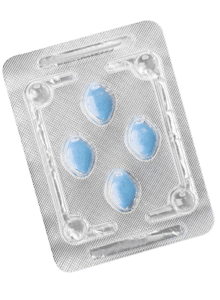
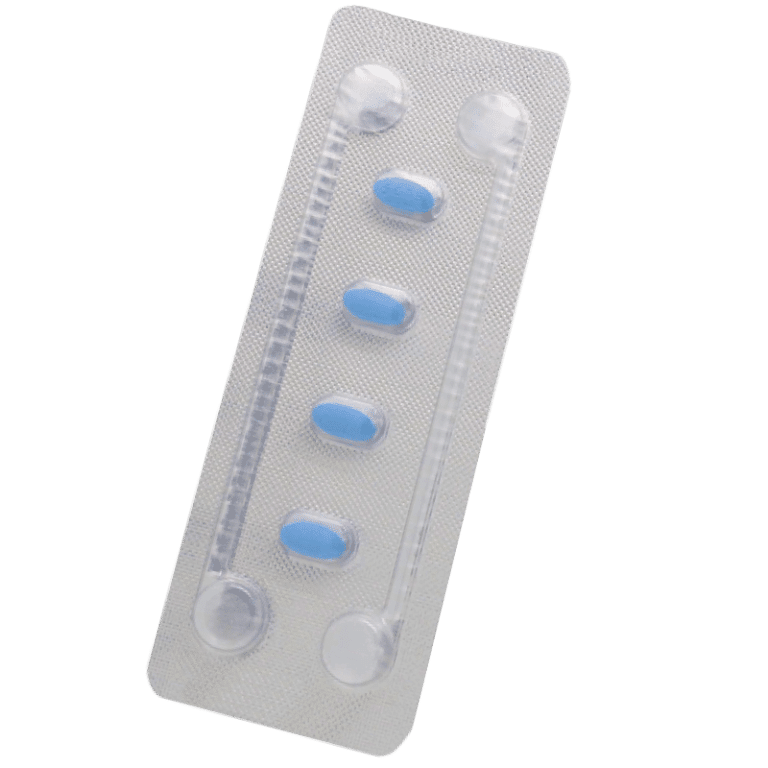
What is Doxycycline?
Doxycycline is an antibiotic that’s typically used alongside quinine (a common malaria medication) to help treat malaria.[1]
It’s not a first-line treatment for malaria, and is typically only recommended when other treatments haven’t worked or aren’t suitable for you.
How does Doxycycline work?
Doxycycline belongs to a class of antibiotics called tetracyclines. It inhibits bacterial growth, which weakens the bacteria, helping prevent and treat infections.[2]
Doxycycline can’t treat malaria on its own, you’ll need to take it with quinine, which kills the malaria parasite.
Can I drink alcohol while taking Doxycycline?
It’s best to avoid alcohol while taking Doxycycline, as it can make it less effective and may increase your risk of side effects. Alcohol can also weaken your body’s ability to fight infections, so it’s best to avoid it.
Will I get side effects using Doxycycline?
There’s a chance of experiencing side effects when taking Doxycycline. Some common ones include:
- Feeling sick
- Vomiting
- Inflammation of the heart
- Photosensitivity
- Headaches
- Diarrhea
Another relatively common and serious side effect is skin photosensitivity (sensitivity to light), affecting around 2 in 100 people who take doxycycline. It manifests as severe sunburn, redness, itchy skin, or a rash after sun exposure.[3] If you experience this, contact your doctor immediately.
The side effects should go away once you stop treatment. If you have any concerns, contact your doctor.
What doses of Doxycycline are there?
Doxycycline is only available in a single strength: 100mg. It’s taken twice daily alongside quinine for seven days to treat malaria.
To prevent malaria, start taking it 2 days before you leave, take it every day you’re away and continue to do so for four weeks after getting home.
How we source info.
When we present you with stats, data, opinion or a consensus, we’ll tell you where this came from. And we’ll only present data as clinically reliable if it’s come from a reputable source, such as a state or government-funded health body, a peer-reviewed medical journal, or a recognised analytics or data body. Read more in our editorial policy.