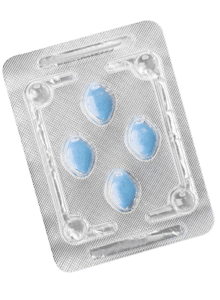
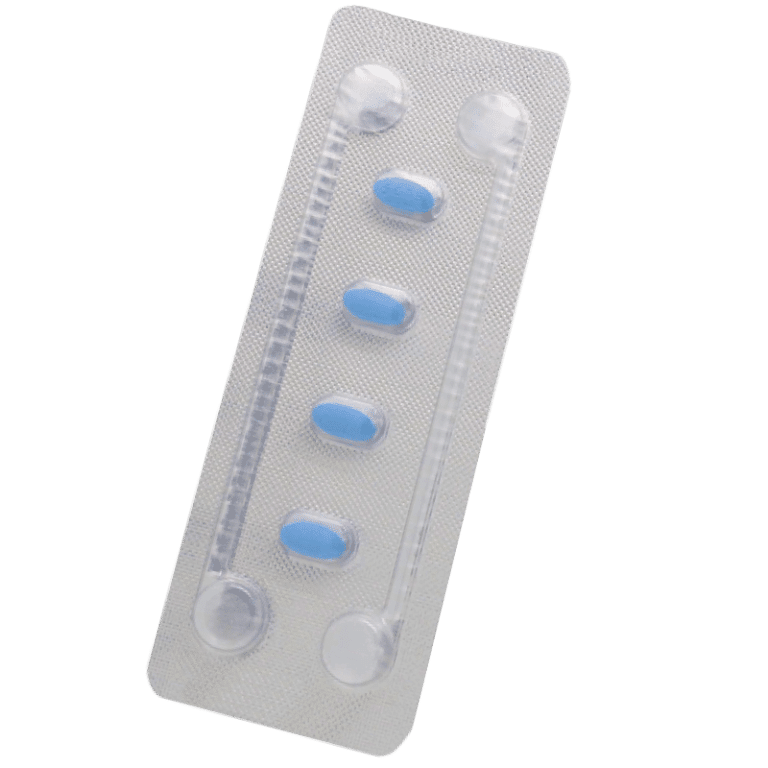
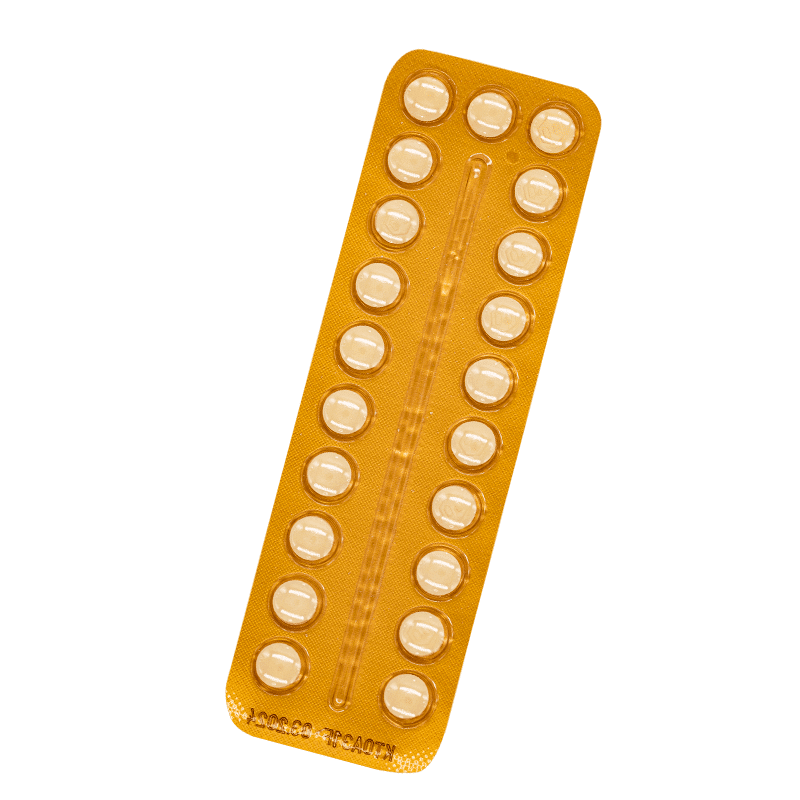
What is Malarone?
Malarone is a medication used to prevent malaria, which works by stopping the parasite from replicating in the body. It contains two active ingredients, atovaquone and proguanil, which work together to prevent the parasite from reproducing in the liver. It is effective in most regions where malaria is present, with protection rates around 96% against infection.[1]
You’ll start taking it two days before entering a malaria zone. You’ll need to keep taking it daily while you’re there and for seven days after leaving. This ensures full protection, as the malaria parasite can remain in your body for up to a week after a mosquito bite.
How does Malarone work?
When travelling to areas where malaria is prevalent, your body is at risk of infection from the malaria parasite, which is spread through mosquito bites. In some areas, mosquitoes carry the Plasmodium parasite, which enters your bloodstream and travels to your liver, where it can multiply. It’s this that causes malaria.
Malarone works by stopping the parasite from growing in your body, preventing the infection from starting. It contains two active ingredients, atovaquone and proguanil, which stop some of the chemical mechanisms that enable the parasite to replicate itself.
Which regions is Malarone effective for?
Malarone is effective in preventing malaria, particularly in areas with high malaria transmission.
It’s recommended for travel to Asia, South America, and parts of the Middle East and Africa.
For specific guidance based on where you’re traveling to, you can visit the CDC’s site for detailed malaria risk information.[2]
What are the benefits of Malarone?
Malarone is a popular choice for malaria prevention because it’s highly effective with generally mild side effects. Most people only experience minor reactions like headaches or nausea, which typically subside after a few days.
One of the main benefits of Malarone is its short treatment duration. You only need to take it from two days before travel to seven days after you return.
In comparison, Mefloquine hydrochloride is taken from one week before travel to four weeks after you return. Mefloquine is more cost-effective because you don’t need to take as many tablets, but it can cause more side effects. If you have a history of epilepsy, anxiety, depression, or low moods, Mefloquine is not typically recommended as it may make these symptoms worse.
Is there a generic version of Malarone?
Yes, the generic version of Malarone contains the same active ingredients called atovaquone and proguanil. It works like the branded version to protect against malaria, but as it’s unbranded, it’s often a more cost-effective option, offering the same protection.
Are there different doses of Malarone?
Yes, there is a lower strength version of Malarone, called Malarone Pediatric, which is typically prescribed for children. We don’t offer this dose, so if you’re travelling with a child, it’s best to check with a travel clinic or your child’s primary care physician for the most suitable option.