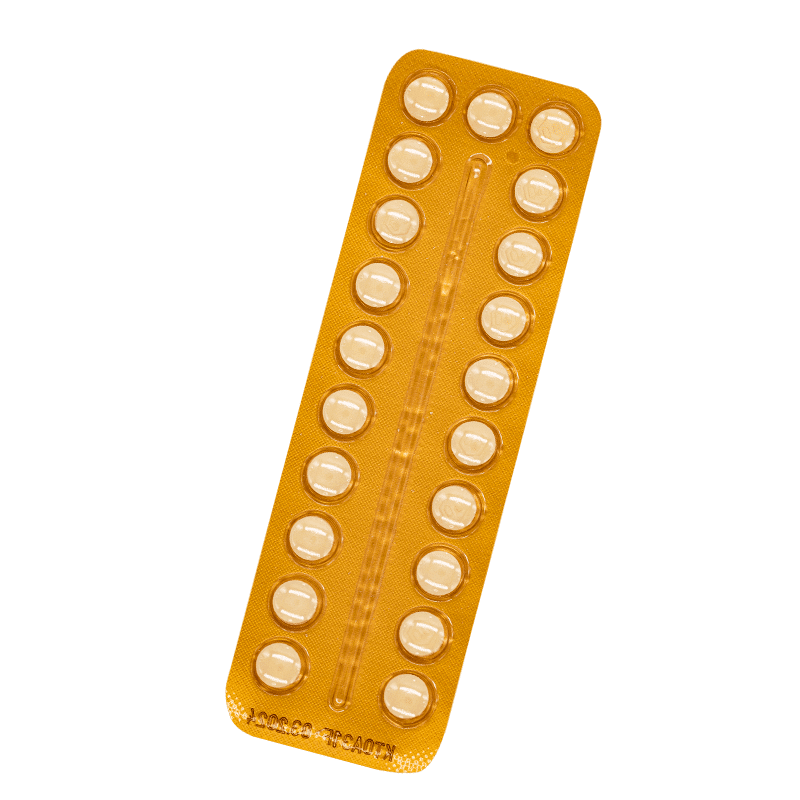
What is Cephalexin?
Cephalexin is an antibiotic that is used to treat bacterial tonsillitis infections. Specifically, it belongs to a class of medications called cephalosporin antibiotics.
Cephalosporin antibiotics work by damaging the cell walls of bacteria. This eventually causes the bacteria to die, and your immune system then helps your body fight an infection.
Tonsillitis infections can be either viral or bacterial. Viral infections often need no treatment beyond rest, drinking plenty of fluids, and using common painkillers to manage your symptoms. For bacterial tonsilitis, antibiotics like Cephalexin are often prescribed.
You usually take Cephalexin for 7-14 days. Bacterial tonsillitis can cause swollen tonsils, a sore throat, and fatigue that feels worse and harder to manage than a viral infection. Cephalexin can improve these symptoms in a few days, but you always need to take a full course of antibiotics to ensure the infection has cleared.
How does Cephalexin work?
Cephalexin is a prescription-strength antibiotic that works by killing bacteria. It’s used to treat infections caused by bacteria such as pneumonia, urinary tract infections and skin infections. It can also treat bacterial tonsillitis.
Cephalexins rupture the cell walls of bacteria. They work like penicillins, meaning they are ‘broad-spectrum’ and are effective against a range of bacteria.
Unlike viral tonsillitis that can get better on its own, bacterial infections usually need antibiotics.
Bacterial tonsillitis usually causes swollen, red tonsils accompanied by a sore throat. Infections can sometimes cause headaches, fatigue, and a fever. Symptoms like this might be an indication your infection is bacterial and not viral, and will need a course of medication like Cephalexin.
What doses of Cephalexin are there?
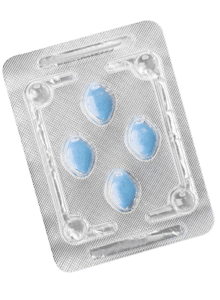
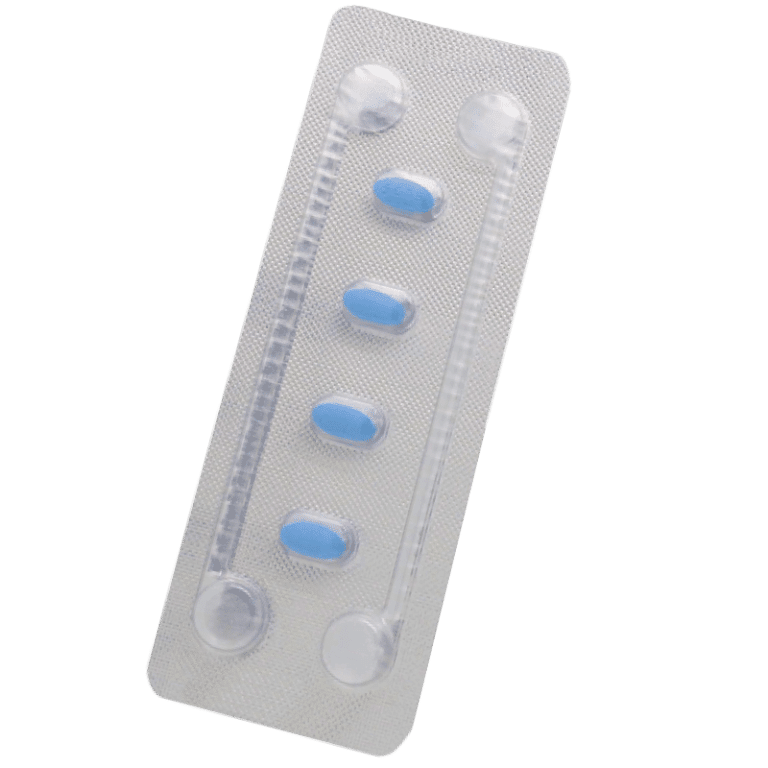
Cephalexin tablets are available in three strengths, 250mg, 500mg and 750mg.
Your physician will let you know how much Cephalexin to use. It’s usually taken every six or twelve hours, between 7-14 days.[1] The amount of tablets you need to take might be determined by how severe your symptoms are.
Whenever you’re prescribed antibiotics, it’s important you take the full amount you’re given, even when your symptoms have improved. Stopping treatment too early can mean the infection isn’t fully cleared, and can come back. Finishing antibiotics too soon can also contribute to antimicrobial resistance, which is when these kinds of medications become less effective against certain kinds of bacteria.[2]
How we source info.
When we present you with stats, data, opinion or a consensus, we’ll tell you where this came from. And we’ll only present data as clinically reliable if it’s come from a reputable source, such as a state or government-funded health body, a peer-reviewed medical journal, or a recognised analytics or data body. Read more in our editorial policy.