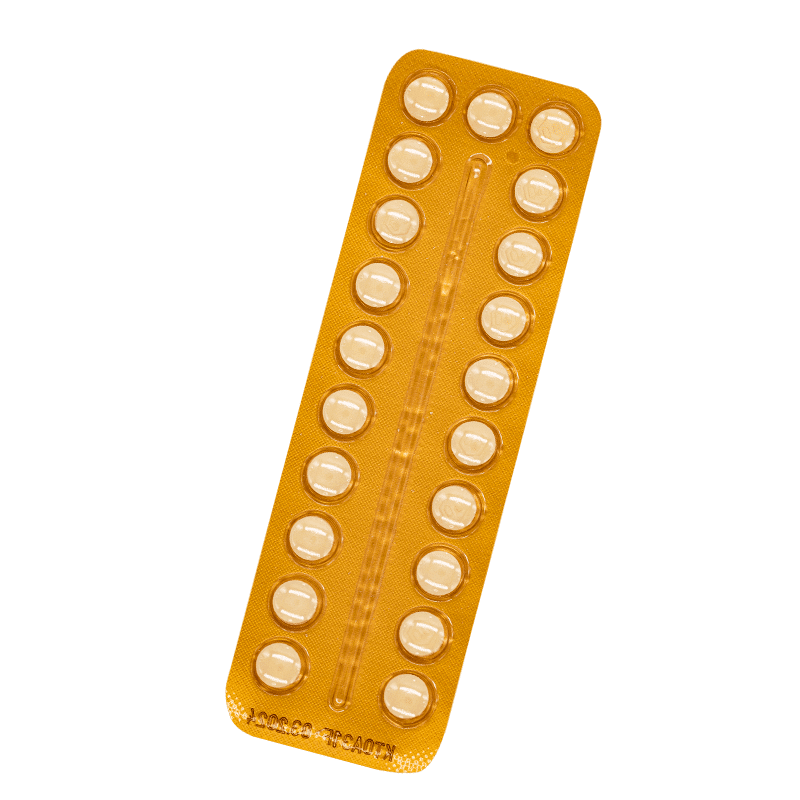
What is Metoprolol?
Metoprolol helps treat angina. Angina happens when less blood is able to reach your heart due to a buildup of fat in your arteries. This restriction in blood flow can lead to sudden pain in your chest or other areas of your torso, like your jaw, shoulders, neck, or arms. Metoprolol works by widening your blood vessels, allowing blood to flow through them more easily. Once you’ve been diagnosed with angina, you’ll usually take a daily preventative medication like Metoprolol for life.
How does Metoprolol work?
Metoprolol is a beta-blocker that helps relax and widen your blood vessels. This allows blood to flow more smoothly to and from your heart. Since angina is typically caused by narrowed blood vessels from fat buildup, widening these vessels helps prevent episodes of angina.[1]
Will I get side effects with Metoprolol?
You might get side effects when taking Metoprolol, but not everyone will experience them. Common side effects include:
- Feeling faint
- Low blood pressure
- Tiredness
- Dizziness
These side effects are usually mild and should subside as your body adjusts to Metoprolol. Your doctor will gradually increase your dose to reduce your risk of side effects. If your side effects persist or become difficult to manage, let your doctor know. They may lower your dosage or suggest an alternative medication.
What doses of Metoprolol are there?
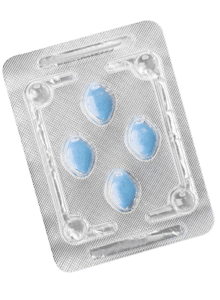
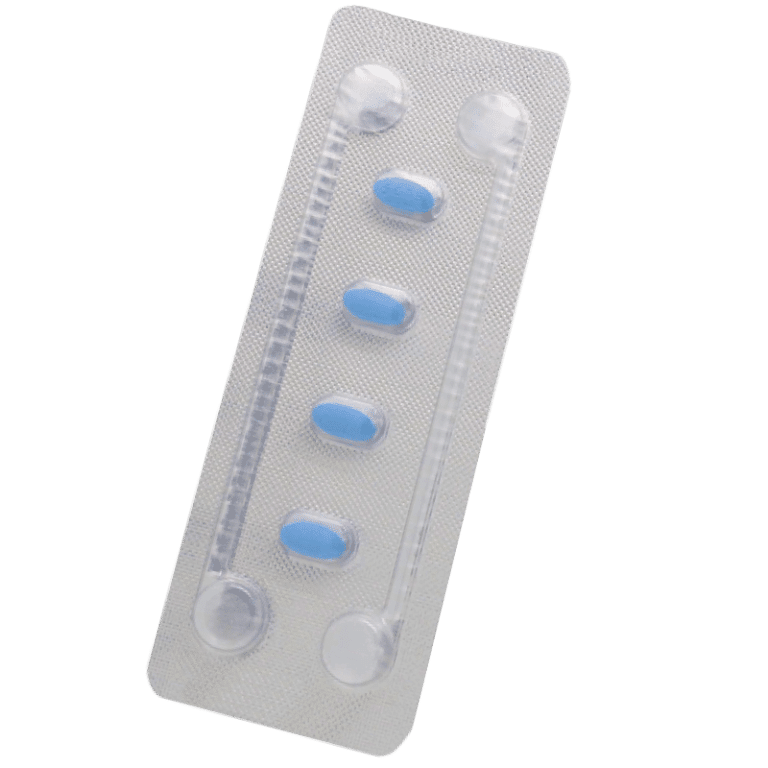
At Treated, Metoprolol is available in three doses: 25 mg, 50 mg, and 100 mg. The typical starting dose is 50 mg taken twice a day, which may gradually increase to a maintenance dose ranging from 100 to 400 mg daily.
How we source info.
When we present you with stats, data, opinion or a consensus, we’ll tell you where this came from. And we’ll only present data as clinically reliable if it’s come from a reputable source, such as a state or government-funded health body, a peer-reviewed medical journal, or a recognised analytics or data body. Read more in our editorial policy.