How to take Citalopram
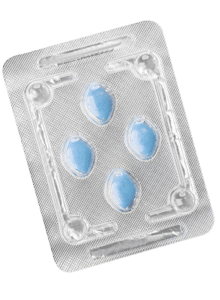
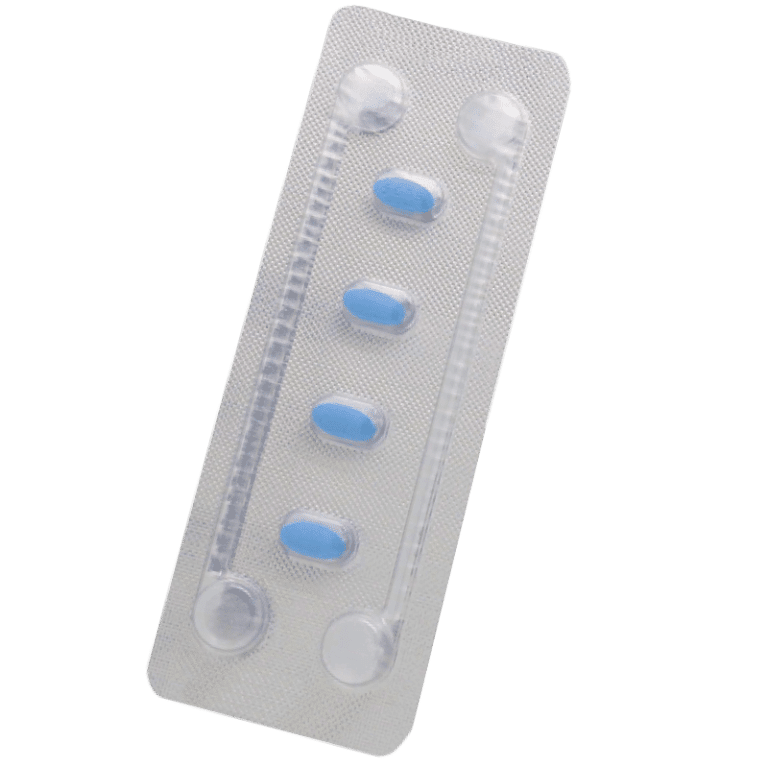
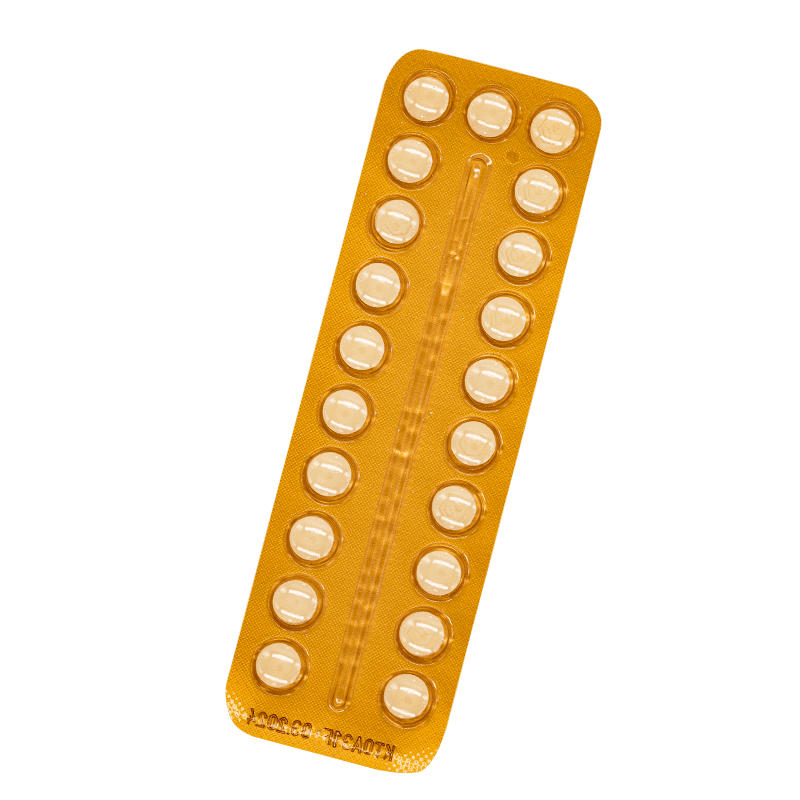
If you’re taking Citalopram tablets, take your usual dose once a day, in the morning or in the evening, with or without food. Swallow your tablet whole with a glass of water. And, importantly, don’t chew them, because they taste bitter.
If you’re taking tablets, the usual dose for adults is:
- For depression: The usual dose is 20 mg a day, which can be increased by your healthcare provider to a maximum of 40 mg per day, if necessary.
- For patients over 65 or with liver problems, the maximum dose is 20 mg per day.
- For panic disorder: The usual starting dose is 10 mg a day for the first seven days of treatment, followed by 20 mg per day thereafter. Depending on
- your response to the treatment, your dose can be increased to a maximum of 40 mg per day.
With the oral drops, the typical dose is:
- For depression: 8 drops (16 mg) per day, which can be upped to 16 drops (32 mg) per day by your healthcare provider.
- For panic disorder: The usual starting dose is 4 drops (8 mg) a day for the first seven days, after which your healthcare provider can gradually
- increase the dose to between 8 and 16 drops (16-32 mg) a day.
How long does Citalopram take to work?
Like other medications for depression and panic attacks, you may need to take Citalopram for a few weeks before you feel any improvement. This is because it takes time for the medication’s levels to build up in your body and for it to alter your brain chemistry enough for you to feel the effects.
It can take around four to six weeks to reach maximum effectiveness, although you might start seeing some improvements, like better sleep, more energy, and increased appetite, after one or two weeks.[1]
So, even if you don’t feel any immediate effects, don’t stop taking Citalopram without consulting your healthcare provider first. Continue taking it exactly as your healthcare provider has recommended. You need to be patient and give the medication at least six weeks to work.
What to do if you make a mistake while taking Citalopram?
If you take more Citalopram than you should, tell a healthcare provider or go to the emergency room right away. If possible, take the medicine package with you. Some of the signs of an overdose (or serotonin syndrome, caused by having too much serotonin in your body) could be life-threatening and can include:[2]
- Seizures
- Changes in your heartbeat
- Changes in blood pressure
- Nausea
- Voimiting
- Feeling drowsy or dizzy
- Excessive sweating
- Losing consciousness
- Tremor
- Dilated pupils
- Skin that turns blue
- Agitation
- Breathing too quickly (also called tachypnea)
If you forget to take a dose, take it as soon as you remember, unless it’s nearly time for your next dose. Make sure not to take a double dose to make up for a missed tablet.
If you stop taking Citalopram suddenly, this may cause withdrawal symptoms, which include:
- Feeling dizzy
- Nausea or vomiting
- Numbness or tingling in the hands or feet
- Vivid dreams, nightmares, or insomnia
- Headaches
- Feeling anxious or restless
- Sweating excessively
- Tremor
- Feeling confused
- Irritability
- Diarrhea
- Visual disturbances
- Palpitations
These aren’t usually serious and tend to disappear within a few days of stopping treatment. However, it’s always best to check with your healthcare provider before stopping treatment, as it’s usually recommended to reduce your Citalopram dose gradually over a couple of weeks, in order to avoid the withdrawal symptoms mentioned above.
How we source info.
When we present you with stats, data, opinion or a consensus, we’ll tell you where this came from. And we’ll only present data as clinically reliable if it’s come from a reputable source, such as a state or government-funded health body, a peer-reviewed medical journal, or a recognised analytics or data body. Read more in our editorial policy.