





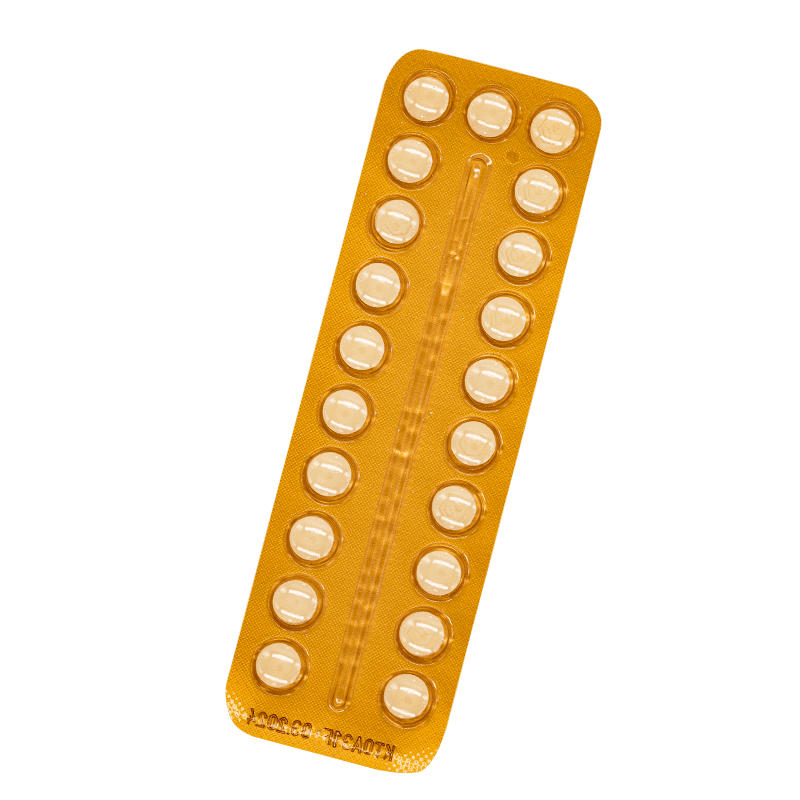




Fluoxetine is shown to be an effective treatment for a range of mental health conditions.
One study found that Fluoxetine is effective for treating all types of depression from the first week of taking it, and causes fewer side effects than similar treatments. While side effects are common with Fluoxetine, such as erectile dysfunction and headache, they tend to subside within two weeks.[1]
Furthermore, when Fluoxetine was used to treat generalized anxiety disorder (GAD) in a study, it proved to be an effective treatment, working within two weeks for many people. It was well tolerated among patients, with the most common side effects being dry mouth and nausea. The study concluded that Fluoxetine is a reliable treatment for GAD.[2]



What could be causing my hyperpigmentation?
Hyperpigmentation can have many causes, including pregnancy, acne, and birth control pill use. Find …
October 09, 2026
Read more

Low testosterone or just getting older? How to tell the difference
Understand the difference between low testosterone levels and aging. Find out the causes of low test…
October 09, 2026
Read more

Can you get weight loss injections with a BMI of 25?
Understand why you can’t take WLI with a BMI of 25, and how it may affect your health.…
September 25, 2026
Read more

