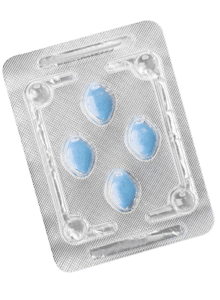
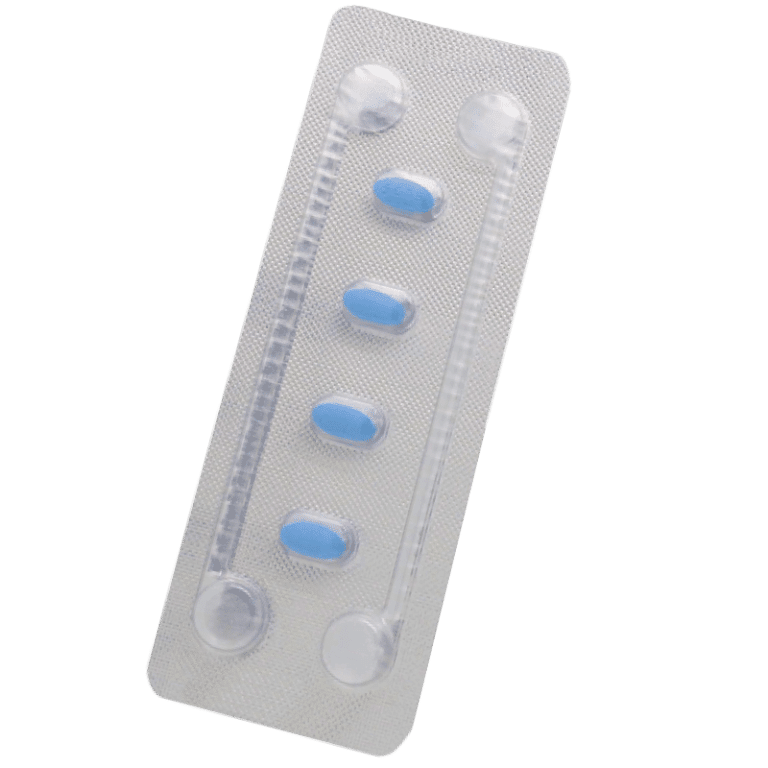



Esomeprazole is a generic medication that treats symptoms of gastroesophageal reflux disease (GERD). It contains the active ingredient esomeprazole magnesium dihydrate, which lowers the levels of stomach acid you produce. This minimises the chance of acid escaping into your esophagus, and should reduce any symptoms of acid reflux or heartburn you experience.
How does Esomeprazole work?
Esomeprazole belongs to a type of medications known as proton pump inhibitors (PPIs). PPIs act on proton pump molecules on the cells that secrete gastric acid in your stomach, lowering how much they produce.[1] This reduces the likelihood of acid escaping into your esophagus and causing symptoms of GERD.
What doses of Esomeprazole are there?
There are two different Esomeprazole dosages available to treat symptoms of GERD: Esomeprazole 20mg and Esomeprazole 40mg. How much Esomeprazole you take will depend on your condition and how well Esomeprazole works to control it.
If your food pipe has been damaged, the usual dose is one 40 mg tablet a day for four weeks, with a possible further four week course if it isn’t fully healed. If your esophagus is undamaged, you’ll typically take up to 20mg of Esomeprazole each day, as you need it. If you feel like your GERD isn’t being controlled well enough by your current dose, speak to your doctor. They might increase your dose for a month or two, to see if this helps.
Treated trusted source:
Kalaitzakis, E. (2007). A review of esomeprazole in the treatment of gastroesophageal reflux disease (GERD). Therapeutics and Clinical Risk Management. vol. 3, no. 4. pp. 653-663.
This page was written by The Treated Content Team.
This page was medically reviewed by Dr. Joseph Palumbo on February 20, 2025. Next review due on February 20, 2028.
How we source info.
When we present you with stats, data, opinion or a consensus, we’ll tell you where this came from. And we’ll only present data as clinically reliable if it’s come from a reputable source, such as a state or government-funded health body, a peer-reviewed medical journal, or a recognised analytics or data body. Read more in our editorial policy.
EsomeprazoleEsomeprazole
How to take Esomeprazole
You can take your tablet at any time of day that suits you, either with or without food. Just try and take it around the same time each day if you’re taking Esomeprazole long-term.
If you struggle with swallowing the tablets, you can dissolve them by stirring your dose into a glass of still water until they break up and dissolve into a cloudy mixture. Drink the mixture within 30 minutes, always making sure it’s well stirred before drinking it. To ensure you’ve had all of the medicine, fill your glass halfway with water and rinse it well, before drinking the remaining mixture.
How long does it take Esomeprazole to work?
You may notice the benefits of Esomeprazole within two or three days of starting your treatment, but it can sometimes take a bit longer to get to work. Studies show that Esomeprazole can control symptoms of heartburn and reflux within four weeks of starting treatment, relieving their frequency and severity.[1]
What should I do if I make a mistake taking Esomeprazole?
You should follow your physician’s instructions when taking Esomeprazole. If you miss a dose, it’s no big deal. Just take it as soon as you remember. The exception is if it’s almost time for your next dose; in that case, just skip the pill you missed and take your upcoming dose as normal.
If you take more Esomeprazole than you should, speak to your doctor as soon as you can. You may experience weakness, stomach issues, and other side effects of Esomeprazole.
Treated trusted source:
R. Jones, T. Patrikios, (2008). The effectiveness of esomeprazole 40 mg in patients with persistent symptoms of gastro-oesophageal reflux disease following treatment with a full dose proton pump inhibitor. International Journal of Clinical Practice. vol. 62, no. 12. pp. 1844-1850.
This page was written by The Treated Content Team.
This page was medically reviewed by Dr. Joseph Palumbo on February 20, 2025. Next review due on February 20, 2028.
How we source info.
When we present you with stats, data, opinion or a consensus, we’ll tell you where this came from. And we’ll only present data as clinically reliable if it’s come from a reputable source, such as a state or government-funded health body, a peer-reviewed medical journal, or a recognised analytics or data body. Read more in our editorial policy.
EsomeprazoleEsomeprazole
Esomeprazole isn’t suitable for everyone, and there are some things that you need to be aware of when taking it.
Here’s all the official info on it. If anything is unclear, let our physician know, and they can talk with you about it.
EsomeprazoleEsomeprazole
Esomeprazole: FAQ
Have something specific you want to know? Search our info below, or ask our experts a question if you can’t find what you’re looking for.
Are there any alternatives to Esomeprazole?
Answer:
If Esomeprazole isn’t the right fit for you, there are more GERD medications available to choose from. If you’re looking for a similar medicine to Esomeprazole, other proton pump inhibitors (like omeprazole, lansoprazole, and pantoprazole) work in the same way.
There’s a medicine sold under the brand name Vimovo that contains the anti-inflammatory naproxen as well as esomeprazole. However, this is prescribed to treat conditions like osteoarthritis and rheumatoid arthritis, not GERD. The esomeprazole helps to reduce the stomach problems associated with non-steroid anti-inflammatory medication like naproxen.
Can you get side effects from Esomeprazole?
Answer:
Esomeprazole, like all medicines, can cause some side effects – but they won’t affect everyone. The most common side effects of Esomeprazole are:
Headache
Stomach pain
DiarrheaÂ
Constipation
Wind
NauseaÂ
Vomiting
Benign stomach polyps.
Using Esomeprazole for a long period of time, especially at a higher dose, can also increase your risk of wrist, spine and hip fractures, as well as low-magnesium levels (hypomagnesaemia). If you have any concerns while taking Esomeprazole, speak to your physician.
There are some much rarer and more serious side effects of Esomeprazole to watch out for. If you get any of the following side effects, stop taking Esomeprazole and get medical attention immediately:
Swelling (in your lips, tongue, and throat or body), a skin rash, fainting, or difficulty swallowing – these could be signs of a severe allergic reaction;
Weakness and unexplained bruising (or bruising more easily), which could be a sign of a reduced number of white blood cells or platelets in your blood;
Yellowing skin (jaundice), tiredness, and dark urine can be symptoms of liver problems;
A severe rash with blistering and peeling that comes on suddenly, even after multiple weeks of treatment.
If you want a more comprehensive guide to the side effects of Esomeprazole, take a look at the patient package insert.
Can you use Esomeprazole during pregnancy?
Answer:
If you’re pregnant, think you might be pregnant, or are planning on starting a family – speak to your doctor before taking this medication. They’ll advise you on whether or not you should take Esomeprazole during pregnancy.
We don’t know whether or not Esomeprazole passes into breast milk, so you shouldn’t take it if you’re breastfeeding.
Can you drink alcohol while on Esomeprazole?
Answer:
Alcohol doesn’t affect how Esomeprazole works. In fact, studies show that gastroesophageal reflux was reduced by 93% after Esomeprazole compared with placebo in healthy volunteers.[1] However, alcohol does make your stomach produce more acid than normal. This can irritate the lining of your stomach, and make the symptoms of GERD worse.[2]
Can you get Esomeprazole over the counter?
Answer:
No. You can’t get generic Esomeprazole over the counter – you’ll need a prescription. However, there is a branded version of Esomeprazole called Nexium, which is available over the counter. But you can only get Nexium in lower doses of 10 mg and 20 mg. So if your symptoms are severe, or Nexium isn’t controlling them well enough, generic Esomeprazole could be a better option.
Treated trusted source:
Franke, A., et al., (2008). Esomeprazole reduces gastroesophageal reflux after beer consumption in healthy volunteers. Scandinavian Journal of Gastroenterology. vol. 43, no. 12. pp. 1425-1431.
Our experts continually monitor new findings in health and medicine, and we update our articles when new info becomes available.
Feb 20, 2025
Published by: The Treated Content Team.Medically reviewed by: Dr. Joseph Palumbo, Senior Medical Adviser
How we source info.
When we present you with stats, data, opinion or a consensus, we’ll tell you where this came from. And we’ll only present data as clinically reliable if it’s come from a reputable source, such as a state or government-funded health body, a peer-reviewed medical journal, or a recognised analytics or data body. Read more in our editorial policy.
This is healthcare on your terms.
All from the comfort of your device. Get access to what you need, when you need it.
100% online
Ask questions and get expert recommendations, at the touch of a button.
Tailored choices
We'll narrow down some treatments for you to choose from based on your medical profile.
Secure shipping
Receive your treatment by express delivery, in discreet packaging.
Easy automatic refills
Set your own delivery schedule and pause or make changes any time you like.
We're making healthcare more about you. Sign up to our newsletter for personalised health articles that make a difference.
Disclaimer: The information provided on this page is not a substitute for professional medical advice, diagnosis, or treatment. If you have any questions or concerns about your health, please talk to a doctor.
Dr. Joseph Palumbo
Senior Medical Adviser
Joseph joined Treated in 2023, and is one of the lead doctors providing prescribing services for the platform.
When we present you with stats, data, opinion or a consensus, we’ll tell you where this came from. And we’ll only present data as clinically reliable if it’s come from a reputable source, such as a state or government-funded health body, a peer-reviewed medical journal, or a recognised analytics or data body. Read more in our editorial policy.
Reviews you can trust
All of our reviews are collected from real patients after their treatment has been delivered.
We publish reviews collected through independent platforms including Reviews.io and Trustpilot.