


Gastrointestinal (GI) side effects
Gastrointestinal (GI) refers to the gastrointestinal tract, a series of tubes that starts at the mouth and ends at the anus, and includes organs such as the esophagus, stomach, and upper and lower intestine.
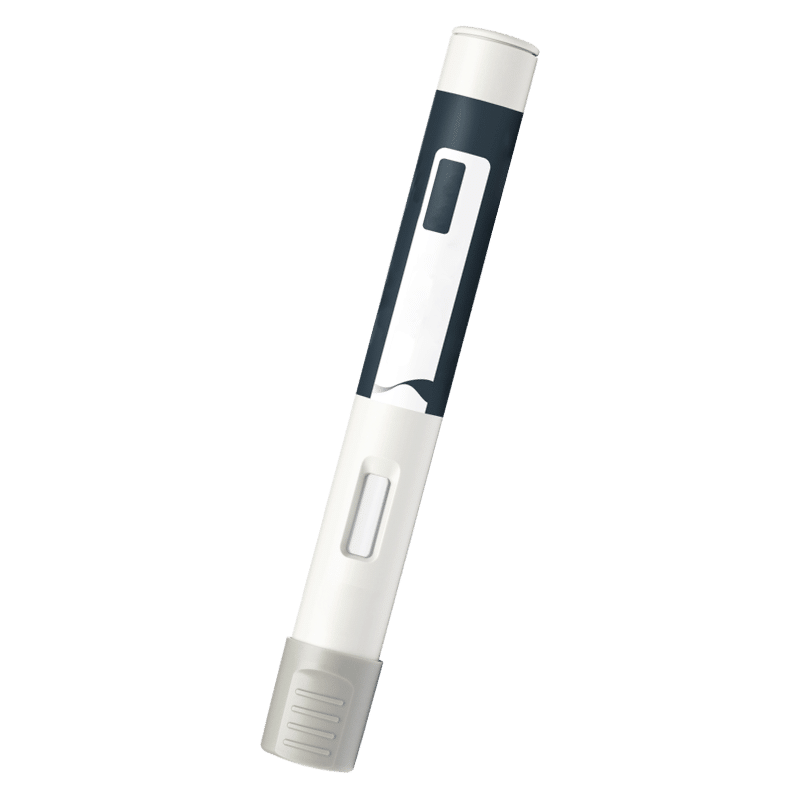
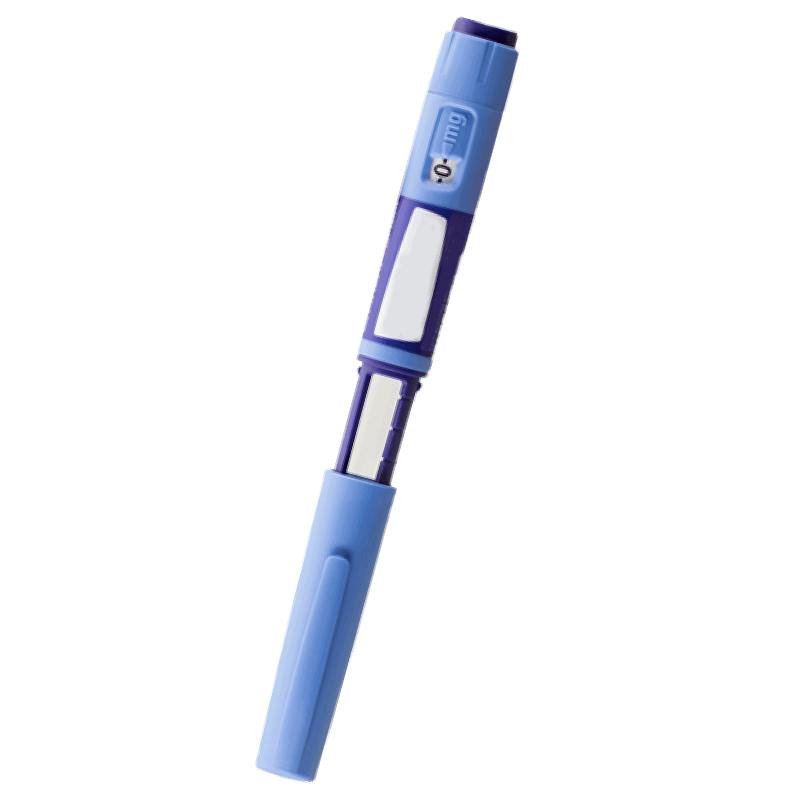
Nausea, vomiting, constipation, and diarrhea are the most common side effects of WLIs. This is because WLIs increase the levels of GLP-1 in your body, the hormone responsible for appetite regulation and satiety. At higher concentrations, this hormone can induce feelings of nausea and vomiting.
How elevated is the risk of GI side effects?
Almost all GLP-1 weight loss injections have been reported to cause nausea, vomiting, diarrhea, and constipation, especially in the first few weeks of use. As the body adjusts to the medication, these side effects should subside. But someone might experience side effects again after each dosage increase.
The prevalence of GI side effects also depends on the type of WLIs you're using. Some research suggests that people are less likely to experience GI side effects with tirzepatide (the active ingredient in Zepbound) than with semaglutide (the active ingredient in Wegovy). The side effects also tend to be mild; only 5.6% of patients discontinued treatment with semaglutide due to GI side effects, compared to 2.7% in the tirzepatide group.
What can be done to help reduce the risk?
A couple of things you can do to reduce the risk of GI side effects include:
- Eating bland foods with a less prominent flavor to help reduce nausea.
- Eating smaller, more frequent meals. This makes it easier for your body to digest and reduces the risk of diarrhea and constipation.
- Remaining on your current dose until the side effects become manageable.
Gastroparesis
Gastroparesis is a condition where the stomach empties more slowly than usual. This can lead to symptoms like nausea, feeling full quickly, bloating, abdominal pain, and heartburn.
One potential cause of gastroparesis is the action of GLP-1, which works by delaying stomach emptying to keep you feeling fuller for longer. While this helps reduce your appetite, it may also cause unpleasant side effects.
How elevated is the risk of gastroparesis?
The risk of developing gastroparesis while taking GLP-1 injections is thought to be less than 1%. It's also worth noting that the risk is greater for people using semaglutide than for those using liraglutide.
Additionally, many individuals may experience symptoms similar to gastroparesis without actually having the condition. If you develop symptoms, it’s best to check with a healthcare provider so they can provide a correct diagnosis.
What can be done to help reduce the risk?
Here are some things you can do to prevent gastroparesis:
- Avoid high-fat, oily foods. These foods are harder to break down, which can worsen symptoms.
- Eat smaller, more frequent meals to make it easier for your stomach to digest food. This also helps maintain your blood sugar levels, which reduces feelings of nausea.
- Don't eat close to bedtime, as this will increase your risk of heartburn.
- Avoid eating foods that contain insoluble fiber, like whole-grain bread, beans, nuts and seeds, and some vegetables and fruits.
Pancreatitis
Pancreatitis is when the pancreas, an organ that helps with digestion, becomes inflamed. The main symptom includes severe upper abdominal pain, with other symptoms being nausea, vomiting, shortness of breath, and a fast heartbeat.
There are several reasons why you might get pancreatitis while on GLP-1 injections. One reason is that GLP-1 activates pancreatic cells, causing them to grow, which can eventually lead to pancreatitis. Another reason is that rapid weight loss can result in pancreatitis, as it increases the risk of gallstone formation.
How elevated is the risk of pancreatitis?
GLP-1 injections like semaglutide and tirzepatide have been linked to pancreatitis , but the risk of actually getting it is thought to be small. One study found that the incidence of pancreatitis was below 1% per year for semaglutide and liraglutide.
What can be done to help reduce the risk?
There are some things you can do to reduce the risk of pancreatitis, such as:
- Reducing alcohol intake to avoid damaging the pancreas.
- Eating a healthy, well-balanced diet to prevent gallstones.
- Managing your blood sugar levels, as unregulated levels can increase the risk of pancreatitis.
Bowel obstruction
A bowel obstruction is a partial or complete blockage of the intestines, resulting in symptoms like constipation, bloating, gas, and abdominal pain. As GLP-1 injections delay stomach emptying, it can lead to the buildup of food in the bowel.
How elevated is the risk of a bowel obstruction?
Studies have shown that the risk of bowel obstruction is four times higher in people using certain GLP-1 injections than in those without the medicine. This risk can be even greater for people with a history of gastrointestinal issues. So your healthcare provider will review your medical history before prescribing any GLP-1 medication to ensure it's safe for you.
But not all WLIs increase the risk of bowel obstruction substantially. In one study, patients using semaglutide had no increased risk compared to liraglutide, which has a risk of less than 1%.
What can be done to help reduce the risk?
Some things you can do to lower the risk of bowel obstruction include:
- Eating smaller, more frequent meals, so it’s easier for your body to digest.
- Avoiding high-fiber foods. While fiber is important, too much of it can increase the risk of bowel blockage.
- Exercising regularly, as this helps keep your bowels moving.
- Drinking plenty of water to help break down food and soften your stools.