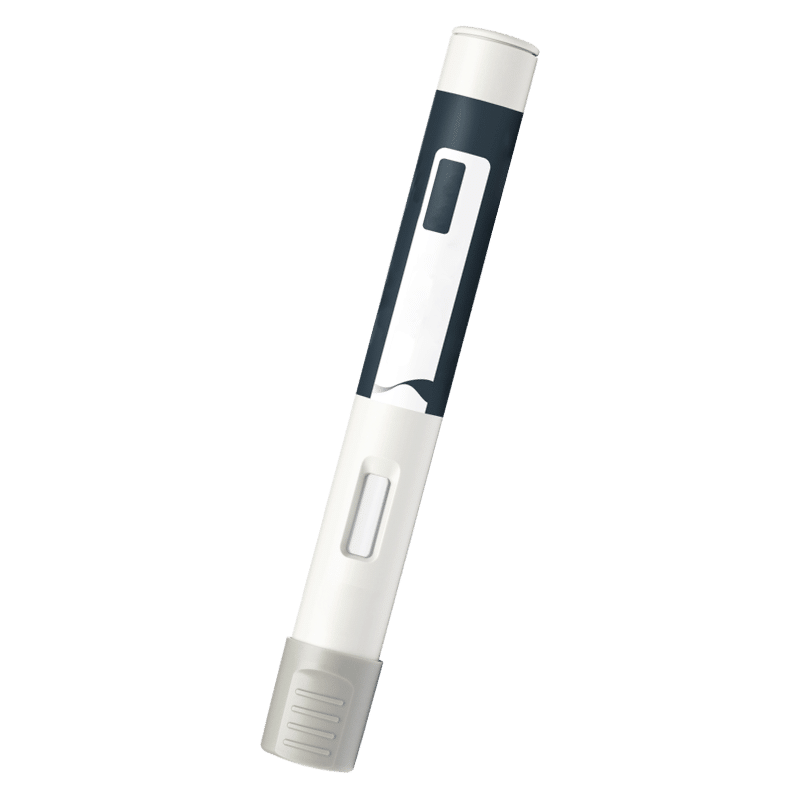
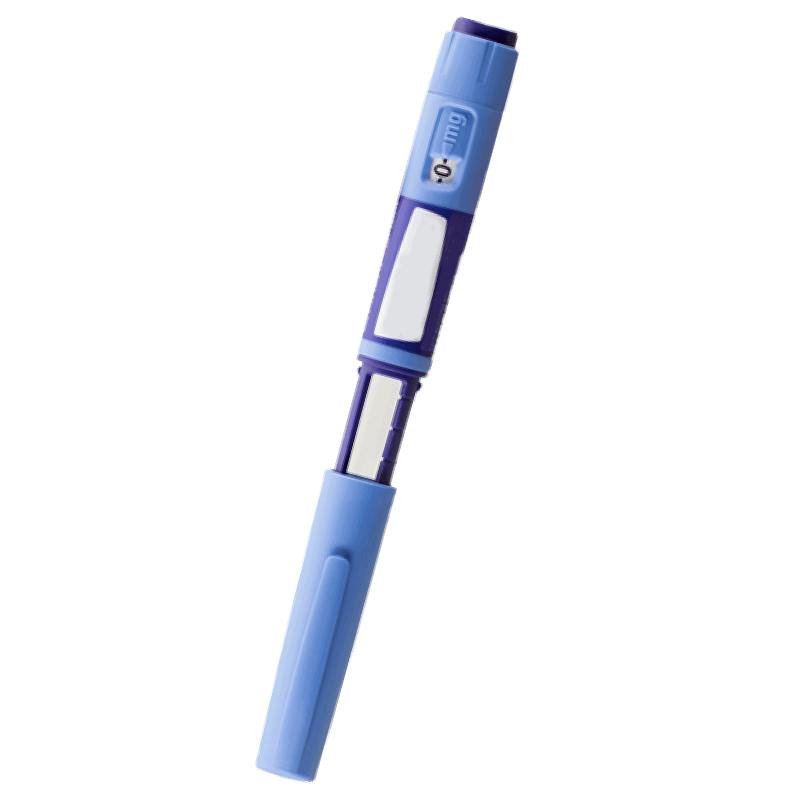
Imitrex helps treat migraine headaches with or without aura. It contains the active ingredient sumatriptan which works by reducing excess blood flow to the brain to stop migraine attacks. It’s available as a tablet or nasal spray.
A migraine is a recurring headache that can be extremely painful. It may also come with other symptoms, such as nausea, vomiting, and numbness. These headaches can last anywhere from a few hours to several days, making it challenging for individuals to carry on with their daily lives.
Although there’s no cure for migraines, treatments like Imitrex can alleviate the symptoms as quickly as 30 minutes and provide complete relief within 2 hours.
How does Imitrex work?
Sumatriptan is the active ingredient in Imitrix. It’s a selective serotonin receptor agonist that activates serotonin receptors in the brain. This activation causes the blood vessels in the brain to these receptors cause blood vessels in the brain to tighten, which helps stop pain signals and reduces inflammation. This helps treat migraine headaches.[1]
Imitrex works best when you take it as soon as your migraine headache starts. While you might think taking it during the aura phase would make it work faster, it doesn’t. That’s because Imitrex doesn’t help with the processes causing the aura—it’s only effective once the headache stage begins.
What doses of Imitrex are there?
Imitrex is available in several forms: as a tablet in three concentrations – 25mg, 50mg and 100mg; a nasal spray in 5mg and 20mg doses; and as an injection to treat severe migraines in hospitals. Currently, Treated offers only the 100 mg Imitrex tablet, but a 50 mg version is available in its generic form.
Depending on the severity of your migraine, the recommended dose can vary. In the tablets, it can range from 25mg to 100mg, while the nasal spray can be administered in doses of 5 mg, 10 mg, or 20 mg.
Although you might assume nasal sprays are less effective because of their lower doses, studies show that nasal sprays can actually be more effective for treating migraines. This is because sprays enter the bloodstream more quickly than tablets, which need time to break down and be absorbed.
Your doctor will receive a precise dose after your consultation based on the severity of your migraine and your medical history.
This page was written by The Treated Content Team.
This page was medically reviewed by Dr. Joseph Palumbo on November 29, 2024. Next review due on November 29, 2027.
How we source info.
When we present you with stats, data, opinion or a consensus, we’ll tell you where this came from. And we’ll only present data as clinically reliable if it’s come from a reputable source, such as a state or government-funded health body, a peer-reviewed medical journal, or a recognised analytics or data body. Read more in our editorial policy.
ImitrexSumatriptan
How to take Imitrex
To take Imitrex tablets:
Swallow one tablet whole with water
Take it as soon as you experience migraine headaches for faster relief
Don’t take Imitrex during the aura phase as it won’t help.
If your symptoms haven’t completely alleviated after 2 hours, a second dose can be taken. Don’t take more than 300mg a day.
If you didn’t notice any improvements in your symptoms with the first dose, it’s unlikely the second dose will help. You should contact your doctor for medical advice.
How long does Imitrex take to work?
The time Imitrex takes to work depends on the form. Imitrex tablets take effect within 30-60 minutes, whereas the nasal spray is a little faster, working within 15-30 minutes. This is because nasal sprays enter the bloodstream more quickly than tablets.
What should I do if I took more than the recommended amount of Imitrex?
If you take more than 300 mg within 24 hours, you should go to the emergency department immediately, as this can lead to serious health issues such as a slowed heart rate and fainting. It’s important not to drive yourself, as it could be dangerous for both you and others on the road.
This page was written by The Treated Content Team.
This page was medically reviewed by Dr. Joseph Palumbo on November 29, 2024. Next review due on November 29, 2027.
How we source info.
When we present you with stats, data, opinion or a consensus, we’ll tell you where this came from. And we’ll only present data as clinically reliable if it’s come from a reputable source, such as a state or government-funded health body, a peer-reviewed medical journal, or a recognised analytics or data body. Read more in our editorial policy.
ImitrexSumatriptan
Imitrex isn’t suitable for everyone, and there are some things that you need to be aware of when taking it.
Here’s all the official info on it. If anything is unclear, let our clinician know, and they can talk with you about it.
ImitrexSumatriptan
Imitrex: FAQ
Have something specific you want to know? Search our info below, or ask our experts a question if you can’t find what you’re looking for.
Will I experience side effects with Imitrex?
Answer:
There’s a chance you might experience side effects while taking Imitrex. They’re usually more common with the higher doses. Some of the side effects include:
pain,
heaviness or tightness in the chest or throat,
unusual sensations like numbness or tingling,
nausea or vomiting,
tiredness,
drowsiness,
dizziness,
feeling weak,
hot flushes,
increase in blood pressure, and
muscle aches.
Initially, the side effects will feel pretty intense but should pass quickly. There are ways to manage these effects. For example, if you experience vomiting, try taking small sips of water to prevent dehydration, as dehydration can sometimes trigger or worsen migraines. If you feel dizzy or weak, it’s a good idea to lie down until you start to feel better.
For the full list of side effects, check the patient leaflet.
Can Imitrex cause a heavy chest and low heart rate?
Answer:
A heavy or tightened chest is one of the side effects of Imitrex. It’s unknown why this happens, but it could be linked to the vasoconstrictive effect of sumatriptan. Don’t panic too much if you experience a heavy chest, it should go away on its own.
You shouldn't experience a low heart rate when taking Imitrex unless you took more than the recommended dose. If you notice your heart rate slowing, you should seek immediate medical attention.
Is there a generic version of Imitrex?
Answer:
Yes, Imitrex is the brand name for Sumatriptan, which is the active ingredient it contains. The generic versions are just as effective as the brand-name treatment and are available in both tablet and nasal spray forms, at the same concentrations.
There isn't much difference between the two versions, except in price; the generic version is typically cheaper.
What are the contraindications of Imitrex?
Answer:
Before taking Imitrex, let your doctor know if you have:
Heart problems, like ischaemic heart disease
Previous heart attack
High blood pressure
Cerebrovascular accident.
Imitrex may worsen these conditions and can increase the risk of side effects.
Can I take Imitrex with ibuprofen?
Answer:
You can take Imitrex with ibuprofen. Ibuprofen is an over-the-counter treatment for treating migraines. Some doctors may recommend taking ibuprofen during the aura phase and Imitrex once the migraine headache starts.
But before taking ibuprofen with Imitrex, let your doctor know so they can check if it’s suitable for you.
Can I take Imitrex if I'm pregnant?
Answer:
Although no studies have found Imitrex to be dangerous to the baby, ask your doctor or healthcare provider before taking it.
Don’t breastfeed your baby for 12 hours after taking Imitrex. Sumatriptan is excreted into breast milk and may affect your baby.
How does Imitrex compare with other migraine treatments?
Answer:
There are various treatments available for migraines, but triptans, such as Imitrex and Eletriptan, are often the first line of medication. They can start working as quickly as 15 minutes when taken as nasal sprays and may fully relieve migraine headaches within 2 hours. Studies have shown that triptans are highly effective in treating migraines.[1]
If triptans aren’t working well for you, Gepants, a newer class of migraine medication blocks the nerve responsible for prolonged migraine attacks and can also provide relief within 15 minutes.
For individuals who frequently experience nausea or vomiting during migraine episodes, a doctor may recommend an anti-emetic to help reduce or prevent these symptoms.
Treated trusted source:
Karlsson, W.K., et al. (2024).Comparative effects of drug interventions for the acute management of migraine episodes in adults: systematic review and network meta-analysis. BMJ, 386.
Last updated on Jan 20, 2026.
How we reviewed this page:
Our experts continually monitor new findings in health and medicine, and we update our articles when new info becomes available.
Jan 20, 2026
Published by: The Treated Content Team.Medically reviewed by: Dr. Joseph Palumbo, Senior Medical Adviser
How we source info.
When we present you with stats, data, opinion or a consensus, we’ll tell you where this came from. And we’ll only present data as clinically reliable if it’s come from a reputable source, such as a state or government-funded health body, a peer-reviewed medical journal, or a recognised analytics or data body. Read more in our editorial policy.
This is healthcare on your terms.
All from the comfort of your device. Get access to what you need, when you need it.
100% online
Ask questions and get expert recommendations, at the touch of a button.
Tailored choices
We'll narrow down some treatments for you to choose from based on your medical profile.
Secure shipping
Receive your treatment by express delivery, in discreet packaging.
Easy automatic refills
Set your own delivery schedule and pause or make changes any time you like.
We're making healthcare more about you. Sign up to our newsletter for personalised health articles that make a difference.
Disclaimer: The information provided on this page is not a substitute for professional medical advice, diagnosis, or treatment. If you have any questions or concerns about your health, please talk to a doctor.
Dr. Joseph Palumbo
Senior Medical Adviser
Joseph joined Treated in 2023, and is one of the lead doctors providing prescribing services for the platform.
When we present you with stats, data, opinion or a consensus, we’ll tell you where this came from. And we’ll only present data as clinically reliable if it’s come from a reputable source, such as a state or government-funded health body, a peer-reviewed medical journal, or a recognised analytics or data body. Read more in our editorial policy.
Reviews you can trust
All of our reviews are collected from real patients after their treatment has been delivered.
We publish reviews collected through independent platforms including Reviews.io and Trustpilot.