




What is Pramipexole?
Pramipexole is a type of dopamine agonist. It’s often used to treat Parkinson’s disease, and works by mimicking the effects of dopamine, a neurotransmitter.
A decrease in dopamine has been linked to restless leg syndrome.[1] By stimulating dopamine receptors, Pramipexole can help to reduce uncomfortable urges to move your legs.
How does Pramipexole work?
Pramipexole works by mimicking the effects of dopamine. Rather than increasing dopamine levels, the tablets strengthen dopamine signals to help control restless legs.
Dopamine affects the basal ganglia, which are structures in your brain that control movement and emotions. Dopamine levels tend to fall in the evenings, which might explain why restless legs usually disturb people at night. Taking Pramipexole before you go to bed can ease restless leg symptoms and improve the quality of your sleep.
Who is Pramipexole for?
Pramipexole can be used to help anyone with restless legs syndrome control uncomfortable urges to move their legs. It’s also prescribed as a treatment for Parkinson’s disease.
You might be recommended a dopamine agonist like Pramipexole if your restless legs are persistent, and frequently cause you pain and discomfort.
What doses of Pramipexole are available?
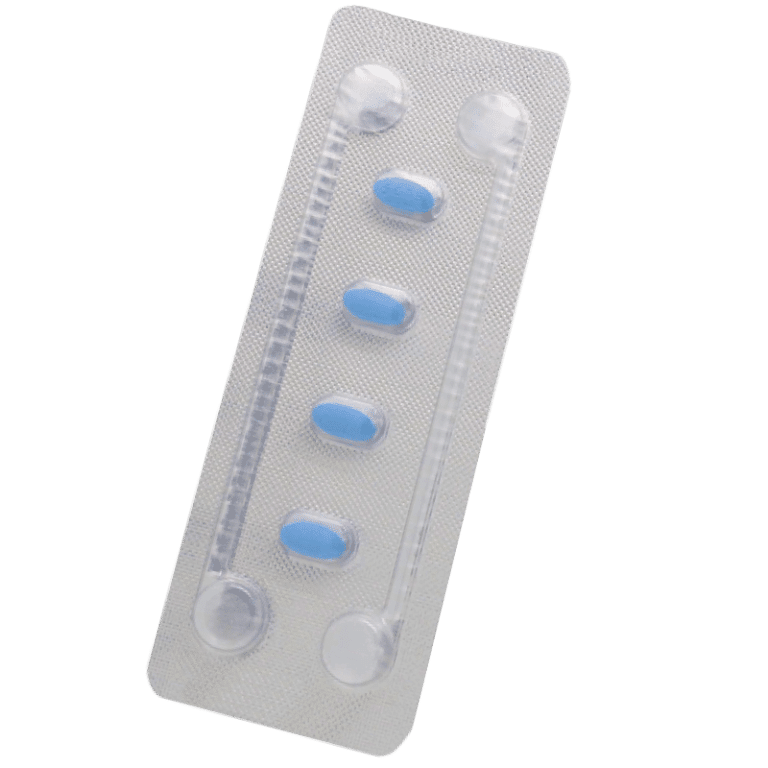
Pramipexole tablets are available in four strengths: 0.125mg, 0.25mg, 0.5mg and 1.5mg.
You usually take one tablet a day, in the evenings. Your prescriber will normally start you on the lowest dose tablet to see if that improves your symptoms.
When should I take Pramipexole?
Pramipexole should be taken around 2-3 hours before you go to bed.
Because restless leg syndrome symptoms like involuntary contractions and cramping are often worse at night,[2] taking Pramipexole in the evening can help you feel relaxed in the hours leading up to sleep. It can also prevent your symptoms from waking you up and disturbing your sleep.
How we source info.
When we present you with stats, data, opinion or a consensus, we’ll tell you where this came from. And we’ll only present data as clinically reliable if it’s come from a reputable source, such as a state or government-funded health body, a peer-reviewed medical journal, or a recognised analytics or data body. Read more in our editorial policy.