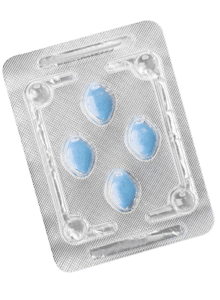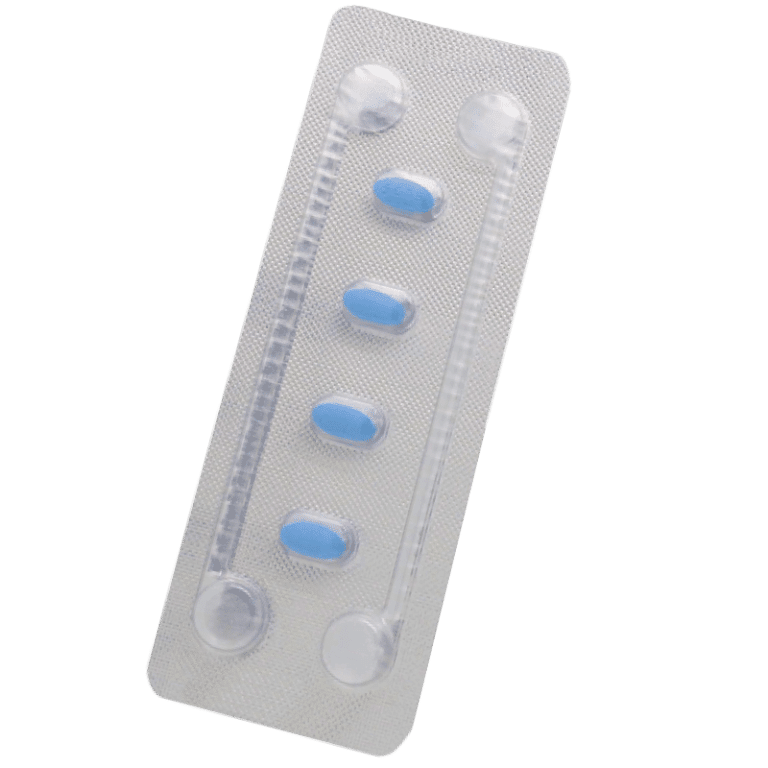
Zyban and Chantix are two treatments that can help people stop smoking. Sometimes, Zyban is also prescribed “off-label” as an antidepressant if other more common medications haven’t worked. Although Zyban and Chantix work in different ways, both affect brain pathways involved in nicotine dependence and the effects of smoking, so using them together may increase the risk of certain side effects.

Here, we’ll look at the risks and benefits involved in using both treatments together, and whether or not your healthcare provider will recommend combining them.
Chantix and Zyban both work by reducing cravings. Unlike patches or gum, neither medication contains nicotine; they instead work in the brain to help reduce nicotine cravings and withdrawal symptoms.
Chantix partially activates these receptors, which tricks the brain into thinking you’ve had a small amount of nicotine, while Zyban mainly affects the brain chemicals dopamine and norepinephrine, which are involved in nicotine dependence and withdrawal. Both medications also affect dopamine, a neurotransmitter involved in reward and pleasure.
A study showed that combining varenicline (Chantix) with bupropion (Zyban) was more effective than using varenicline alone for smokers with a high level of dependence when used for 12 weeks.
But currently, Treated doesn’t recommend using both treatments at the same time. Although there’s evidence to suggest the two medications work well together, they generally aren’t prescribed this way.
In some circumstances, such as if you’ve been referred to a specialist stop smoking service, you might be recommended both medications at the same time, but this would need to be done under close medical supervision to ensure there are no risks to your health.
The risks of using two smoking cessation treatments like Chantix and Zyban together largely come from the side effects that the combined medications can cause.
Both Zyban and Chantix work systemically, which means they’re absorbed into your bloodstream and act on your body and brain. Each medication works effectively as a single treatment. Studies have shown bupropion (Zyban) can almost double people’s chances of stopping smoking, while varenicline (Chantix) was found to help 64.6% of people quit after using it for twelve weeks.
But both treatments can cause side effects like headaches, nausea, and insomnia. So using the two together could potentially double the chances of these kinds of side effects developing.
So if e-cigarettes and stop-smoking aids like nicotine replacement therapies (NRTs), which come in the form of gums, patches, tablets and sprays (as well as other forms) haven’t helped you quit, you might be prescribed a systemic treatment like Chantix or Zyban. If they’re not successful after using them for a number of weeks, your healthcare provider might switch you to another option rather than prescribing a similar treatment alongside it.
![]()
Can Zyban treat depression?
In the United States, bupropion is FDA-approved as both an antidepressant (often under brand names like Wellbutrin) and as a smoking cessation treatment (as Zyban).
But because healthcare providers are aware that the active ingredient in Zyban works as an antidepressant, they might sometimes prescribe it “off-label” to treat depression if other first-line treatments haven’t worked. Off-label prescribing is when healthcare providers use medications outside of their FDA-approved labeling, when they think doing so will work effectively.
Bupropion belongs to a class of medications called norepinephrine-dopamine reuptake inhibitors (NDRIs), which work by stopping your brain from reabsorbing norepinephrine and dopamine. This is thought to help regulate mood and energy. In studies, it was shown to be as effective as other treatments at relieving symptoms of depression.

You can switch between treatments like Chantix and Zyban quite easily. But when you do switch, you’ll usually start on the new treatment at the lowest available dose.
Healthcare providers recommend this so your body can adjust to a new medication in your system, as starting at high doses might increase the chances of experiencing side effects. It also means the new medication might not work as effectively at reducing your cravings when you first start using it.
If you want to change stop-smoking treatments, your healthcare provider can help you do it safely, and can talk you through what you might experience during the transition period.
Adjusting to any new systemic medication involves a settling-in period where you get used to how it feels in your body.
So you might experience new side effects or mood changes that you hadn’t encountered while using your previous stop-smoking treatment. Taking tablets on an empty stomach, or using them at the same time as drinking alcohol, might increase the chances of side effects developing, so this might be something to keep an eye on.
You might find that your cravings fluctuate, too, as you’ve started on a lower dose than you’d been using previously. If this is the case, your healthcare provider might suggest things you can do to combat cravings returning more frequently, like going for a brisk walk, or finding ways to distract yourself at the times your cravings usually occur, such as right after meals.
Our healthcare providers will work with you to choose effective treatments that can help you stop smoking. If you’re currently using a treatment and want to change to a different one, they can help you make the switch smoothly, and support you throughout.
Once you’ve started a treatment plan, they can discuss practical things you can try that can also help you quit, such as forming new habits, exercising more, and seeking out talk therapy.
Combination treatment with varenicline and bupropion in an adaptive smoking cessation paradigm. The American journal of psychiatry.
The STOP Study: Real World Effectiveness of Zyban Treatment in a Clinical Population. clinicaltrials.gov.
Effectiveness of varenicline as an aid to smoking cessation: results of an inter-European observational study. Current medical research and opinion.
Understanding unapproved use of approved drugs ‘off label’. U.S. Food and Drug Administration.
Bupropion: a systematic review and meta-analysis of effectiveness as an antidepressant. Therapeutic advances in psychopharmacology.
Sourcing guidelines:
When we present you with stats, data, opinion or a consensus, we’ll tell you where this came from. And we’ll only present data as clinically reliable if it’s come from a reputable source, such as a state or government-funded health body, a peer-reviewed medical journal, or a recognised analytics or data body. Read more in our editorial policy.
Have a subject you’d like us to cover in a future article? Let us know.
We're making healthcare more about you. Sign up to our newsletter for personalized health articles that make a difference.
Disclaimer: The information provided on this page is not a substitute for professional medical advice, diagnosis, or treatment. If you have any questions or concerns about your health, please talk to a doctor.
Authorised and Regulated by:
We couldn't find what you're looking for.
Here's everything we treat. Or, if you're looking for something we don't have yet, you can suggest something.
(And leave your email too, so we can let you know if we write an article based on your suggestion.)
By clicking 'Subscribe now' you're agreeing to our Privacy Policy.
(And leave your email too, so we can let you know if we write an article based on your suggestion.)
Last updated on Sep 25, 2026.
Our experts continually monitor new findings in health and medicine, and we update our articles when new info becomes available.
Sep 25, 2026
Published by: The Treated Content Team. Medically reviewed by: Mr Craig Marsh, Clinical ReviewerHow we source info.
When we present you with stats, data, opinion or a consensus, we’ll tell you where this came from. And we’ll only present data as clinically reliable if it’s come from a reputable source, such as a state or government-funded health body, a peer-reviewed medical journal, or a recognised analytics or data body. Read more in our editorial policy.
Clinical Reviewer
Pharmacy prescriber Craig is based in the UK and regularly reviews our content to ensure clinical accuracy. On pages he's checked, you'll see his reviewer card.
MeetHow we source info.
When we present you with stats, data, opinion or a consensus, we’ll tell you where this came from. And we’ll only present data as clinically reliable if it’s come from a reputable source, such as a state or government-funded health body, a peer-reviewed medical journal, or a recognised analytics or data body. Read more in our editorial policy.