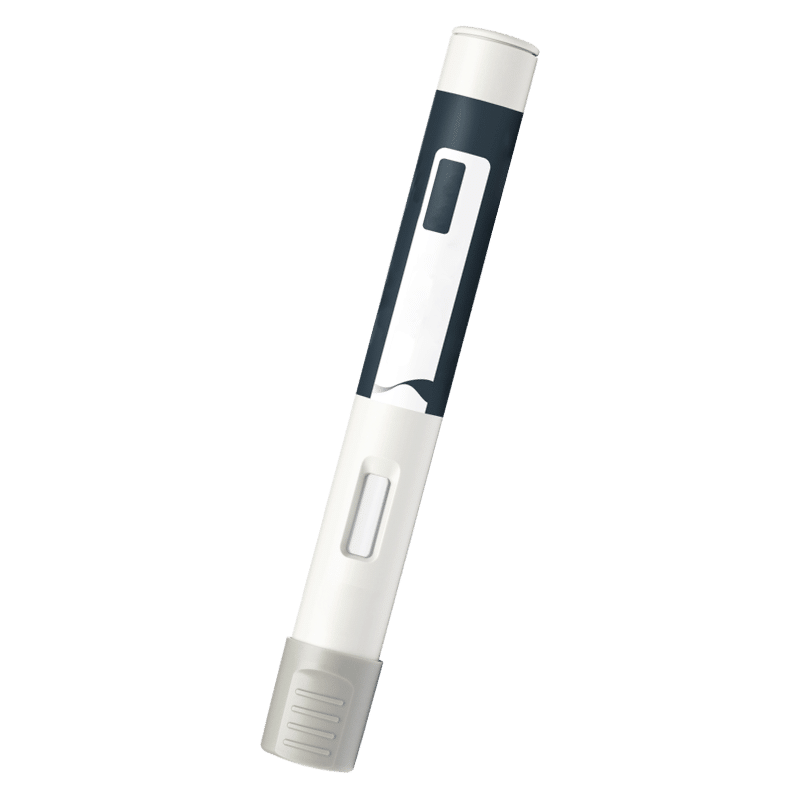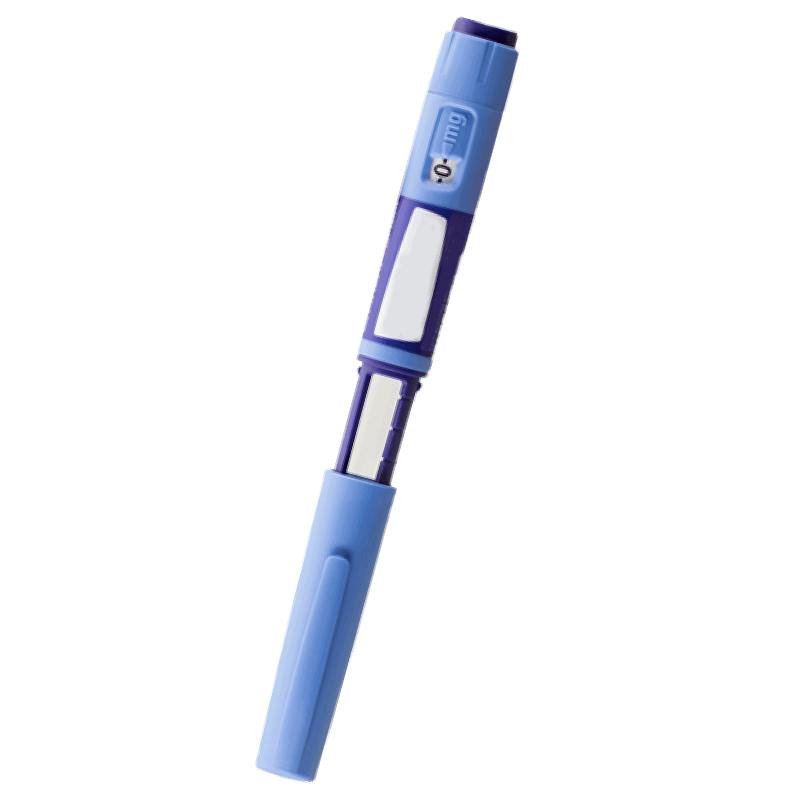
A higher dose of Wegovy was approved in the US in April 2026. The new Wegovy 7.2mg dose is similarly effective to the highest dose of Zepbound and is much stronger than Wegovy’s previous top dose of 2.4mg.

Find out everything about it, from how it compares to other weight loss treatments, what the possible side effects are, its availability in the US, and how to switch to the new Wegovy 7.2mg dose.
Summary
Aside from the new 7.2mg strength, Wegovy is available in the following five doses: 0.25 mg, 0.5 mg, 1.0 mg, 1.7 mg, and 2.4 mg.
As one of the few GLP-1 agonists available on the market, Wegovy works by helping you feel fuller for longer and decreasing your appetite, while also regulating your blood sugar levels and protecting your heart.
Yes, Wegovy HD (the 7.2 mg high-dose version of semaglutide) is officially available in the US as of April 2026. The FDA approved this higher-strength formulation in March 2026 to help patients who’ve reached a weight loss plateau on the previous max dose of 2.4 mg.
Data from a phase 3 clinical trial, the STEP UP trial, has shown that it’s very effective, similar to the highest dose of Zepbound. The study involved 1407 participants and has found that, on average, after 72 weeks:
What’s more, according to the STEP UP trial, around one in three participants (33.2%) lost at least 25% of their starting body weight and were, on average, 2.4 times more likely to lose 25% of their starting weight than those in the 2.4mg group. This is similar to the results reported for Zepbound in the SURMOUNT-1 trial, where 36.2% of participants taking the highest (15mg) dose also lost at least 25% of their body weight.
Although they haven’t been tested in a head-to-head trial yet, Wegovy 7.2mg seems to be similarly effective to the highest dose of Zepbound (15mg) and significantly more effective than other popular obesity meds (check out the table below for a rough comparison based on the currently-available data).
Not necessarily. The side effects reported in clinical trials for Wegovy HD were mostly the same as those reported with lower doses. And as long as the treatment progression is done correctly, under the supervision of your physician, you’re likely to experience side effects similar to those you had with previous dose increases (or possibly none whatsoever).
In clinical trials, the most commonly reported side effects were gastrointestinal issues like nausea, vomiting, diarrhea, and constipation. And although they were more frequently reported for the new 7.2mg dose, the difference was relatively small compared to the 2.4mg dose (71% versus 61%).
Another side effect that was more common for the 7.2mg dose was dysesthesia, a condition causing burning, tingling, or otherwise unpleasant or painful sensations, due to nerve damage. But this time, the difference between the 7.2mg and the 2.4mg dose was more substantial (23% versus 6%). It’s not yet known why this happens, but, as unpleasant as it is, dysesthesia doesn’t seem to affect your health. It can resolve on its own after a few weeks or months, and it goes away after stopping the treatment.
You’ll find more info on the frequency of these side effects for Wegovy 7.2mg, compared to the 2.4mg dose and the placebo in the table below.
But no matter what the clinical trials report, your experience with the medication can be extremely different. If the dose increase doesn’t sit well with you, it’s important to communicate this to your doctor so that they can recommend the best way forward. Often, this will involve reducing the dose or switching to another weight loss treatment.
| Side effect/ outcome | Wegovy 7.2mg | Wegovy 2.4mg | Placebo | Notes on severity/ outcome |
|---|---|---|---|---|
| Gastrointestinal side effects (nausea, vomiting, diarrhea, constipation) | 71% | 61% | 43% | Mostly mild to moderate intensity |
| Dysesthesia (unpleasant or painful sensations because of nerve damage) | 23% | 6% | 0.5% | Mostly mild; most patients recovered while continuing treatment |
| Serious side effects | 7% | 11% | 5.5% | Rare |
| Stopping treatment due to side effects | 5% | 4% | 1% | In real life, if a higher dose isn’t well tolerated, doctors typically recommend lowering the dose so that the patients can continue with their treatment |
Wegovy HD (7.2mg) can be right for you if you don’t get the results you expected from your current dose. But there’s a caveat. You can only start using Wegovy 7.2mg after titrating up through the doses. So you should be on the 2.4mg dose for at least four weeks before using the new 7.2mg dose.
Before you start using it, ask your doctor whether this dose is right for you and how to take it.
How to switch to Wegovy 7.2mg depends on whether you’re currently using Wegovy or you plan to switch from another GLP-1 treatment like Zepbound.
1. From Wegovy 2.4mg
You need to cycle up through the Wegovy doses until you’ve taken the 2.4mg dose for at least four weeks. Once you’re at this point (which may already be the case for you), if you want better results, your doctor may recommend that you start taking the 7.2mg dose.
2. Switching from another GLP-1
We’ll use Zepbound as an example. You might find yourself in a few different situations.
If you’ve taken your most recent dose within the last two weeks, and the last Zepbound dose was:
After four weeks on your starting dose, you then have the option to increase the dose incrementally every four weeks until you reach the new 7.2mg dose. So, if you start with the 1mg dose, you can cycle up to the 1.7mg dose after another four weeks, then 2.4mg, and ultimately 7.2mg, taking each dose for a minimum of four weeks. You can stop anywhere along the line, or decrease the dose if you experience side effects.
If you’ve taken your most recent dose of Zepbound more than two weeks ago and less than four weeks ago, and your last Zepbound dose was:
Again, you’ll be able to increase your Wegovy dose every four weeks as long as you tolerate the treatment well.
If more than four weeks have passed since your last Zepbound dose, the recommendation is to start at the lowest available dose of Wegovy (0.25mg), to reduce the risk of side effects.
Read more about your options in our health guide explaining how to switch between weight loss treatments.
In any case, you should always discuss any changes to your treatment with your doctor. They can take into account your personal response to these medications and any other factors that might affect the best way to proceed.
Once-weekly semaglutide 7·2 mg in adults with obesity (STEP UP): a randomised, controlled, phase 3b trial. The Lancet Diabetes & Endocrinology.
Tirzepatide Once Weekly for the Treatment of Obesity. New England Journal of Medicine, 387(3), pp.205–216.
A Randomized, Controlled Trial of 3.0 mg of Liraglutide in Weight Management. New England Journal of Medicine, 373(1), pp.11–22.
Weight Control and Risk Factor Reduction in Obese Subjects Treated for 2 Years With Orlistat. JAMA, 281(3), p.235.
Allodynia and Dysesthesia Associated With Semaglutide and Tirzepatide. Cureus, 17(10), e94126.
Novo underprices Lilly with higher-dose Wegovy; Insmed absorbs ‘expected’ study failure. BioPharma Dive.
Sourcing guidelines:
When we present you with stats, data, opinion or a consensus, we’ll tell you where this came from. And we’ll only present data as clinically reliable if it’s come from a reputable source, such as a state or government-funded health body, a peer-reviewed medical journal, or a recognised analytics or data body. Read more in our editorial policy.
Have a subject you’d like us to cover in a future article? Let us know.
We're making healthcare more about you. Sign up to our newsletter for personalized health articles that make a difference.
Disclaimer: The information provided on this page is not a substitute for professional medical advice, diagnosis, or treatment. If you have any questions or concerns about your health, please talk to a doctor.
Authorised and Regulated by:
We couldn't find what you're looking for.
Here's everything we treat. Or, if you're looking for something we don't have yet, you can suggest something.
(And leave your email too, so we can let you know if we write an article based on your suggestion.)
By clicking 'Subscribe now' you're agreeing to our Privacy Policy.
(And leave your email too, so we can let you know if we write an article based on your suggestion.)
Last updated on Apr 17, 2026.
Our experts continually monitor new findings in health and medicine, and we update our articles when new info becomes available.
Apr 17, 2026
Published by: The Treated Content Team. Medically reviewed by: Mr Craig Marsh, Clinical ReviewerHow we source info.
When we present you with stats, data, opinion or a consensus, we’ll tell you where this came from. And we’ll only present data as clinically reliable if it’s come from a reputable source, such as a state or government-funded health body, a peer-reviewed medical journal, or a recognised analytics or data body. Read more in our editorial policy.