

How do weight loss injections affect female fertility?
A systematic review of current evidence found that women who engaged with a weight loss program before starting in vitro fertilization (IVF) were 47% more likely to conceive than those who had little to no weight loss support.
This study analyzed 12 trials across the world, involving more than 1,900 women. Further, it found that following a weight loss program could increase the odds of becoming pregnant in any way (natural or IVF) by 21%.
There was no evidence of any increase in pregnancy loss after conceiving while using weight loss treatment, either. But many of these trials didn’t follow the pregnancies through to birth. More large-scale, high-quality studies are needed to explore the effect of weight loss injections on live births.
There’s also anecdotal evidence that women who have struggled with pregnancy in the past have unexpectedly become pregnant after losing weight with weight loss injections.
So while the current evidence surrounding conceiving after losing weight with injections is really positive – there’s still more research to be done on their effects during and after birth.
Do weight loss injections interfere with contraception?
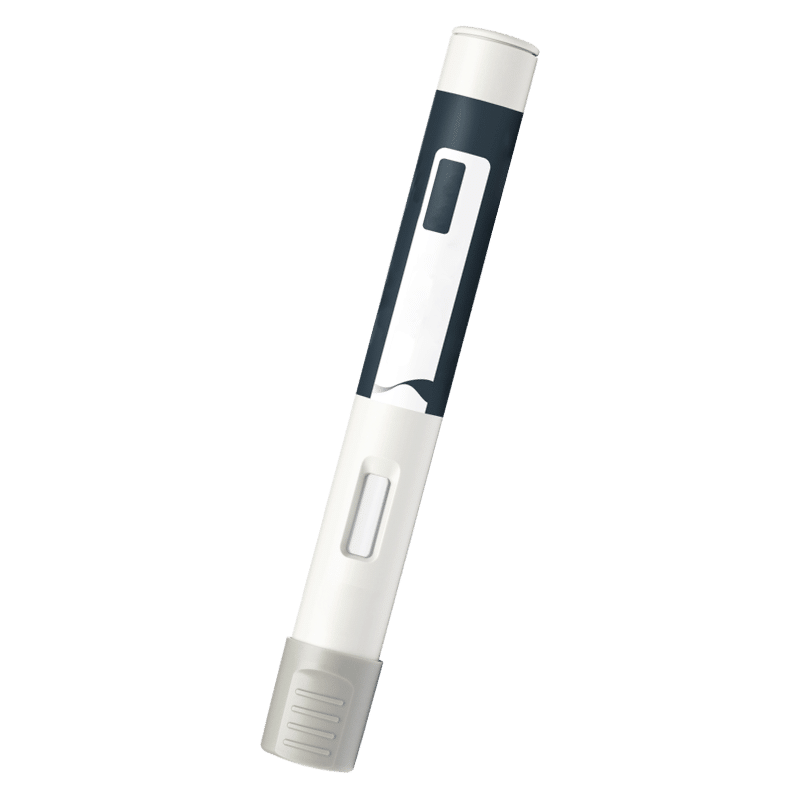
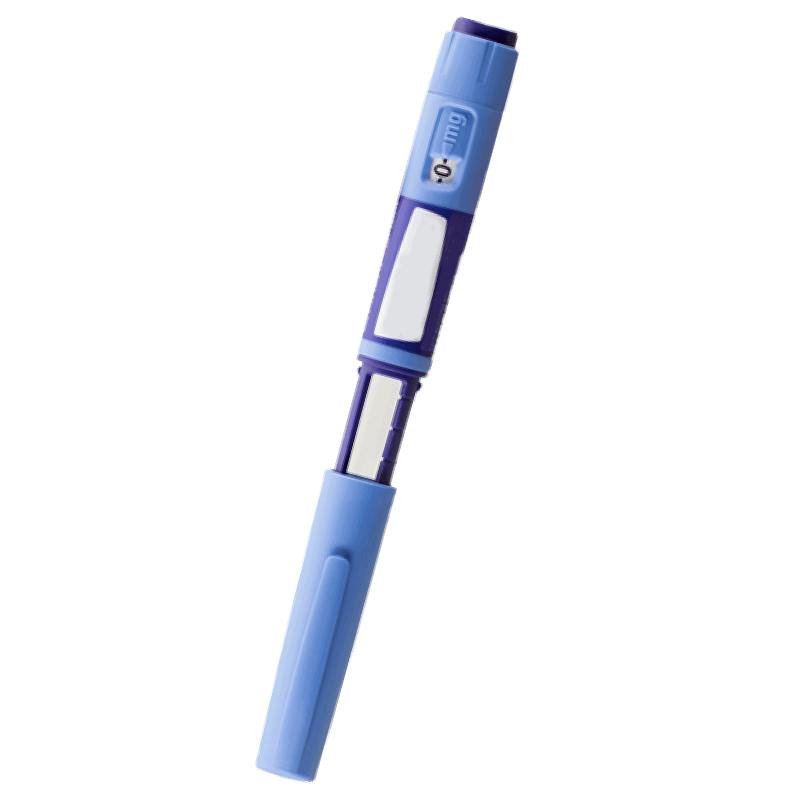
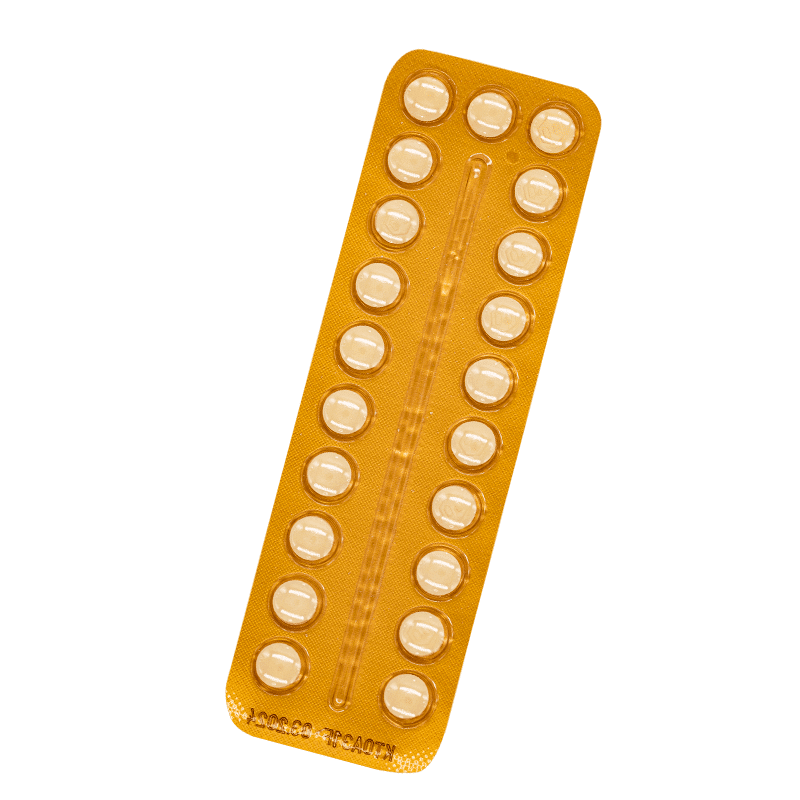
The short answer is yes, weight loss injections can interfere with oral contraceptives. How they can affect contraception depends on the type of weight loss injections you’re using.
Current medical advice states that if you’re using tirzepatide (brand name Zepbound) you should use an additional barrier contraceptive (like a condom) for four weeks after starting treatment, and four weeks after every dose increase.
It’s because tirzepatide is a combined GLP-1 and GIP agonist, meaning it slows down the speed at which your stomach empties more than just GLP-1 agonists (like Wegovy). This can affect how well oral contraceptives are absorbed in your stomach, impacting their effectiveness.
But other weight loss injections can indirectly affect contraception, too. Common side effects of any weight loss injections are nausea, vomiting, and diarrhea – especially after moving up a dose. If you’re sick within three hours of taking your oral contraception, or if you have severe diarrhea within 24 hours, it can reduce the effectiveness of the pill. You should follow the guidance for missing the contraceptive pill you’re using if this happens, usually found in the patient information leaflet.
Do weight loss injections affect male fertility?
Yes – it’s thought that in men with overweight or obesity, using GLP-1 receptor agonists can improve sperm quality. Studies show that it may enhance sperm count, concentration, metabolism, and motility.
While current evidence indicates that GLP-1 receptor agonists show promise in improving fertility in men with obesity and overweight, how they impact male reproductive hormones still isn’t fully understood. More research is still needed to confirm whether they can be used to treat infertility in men with overweight or obesity.