

GLP-1
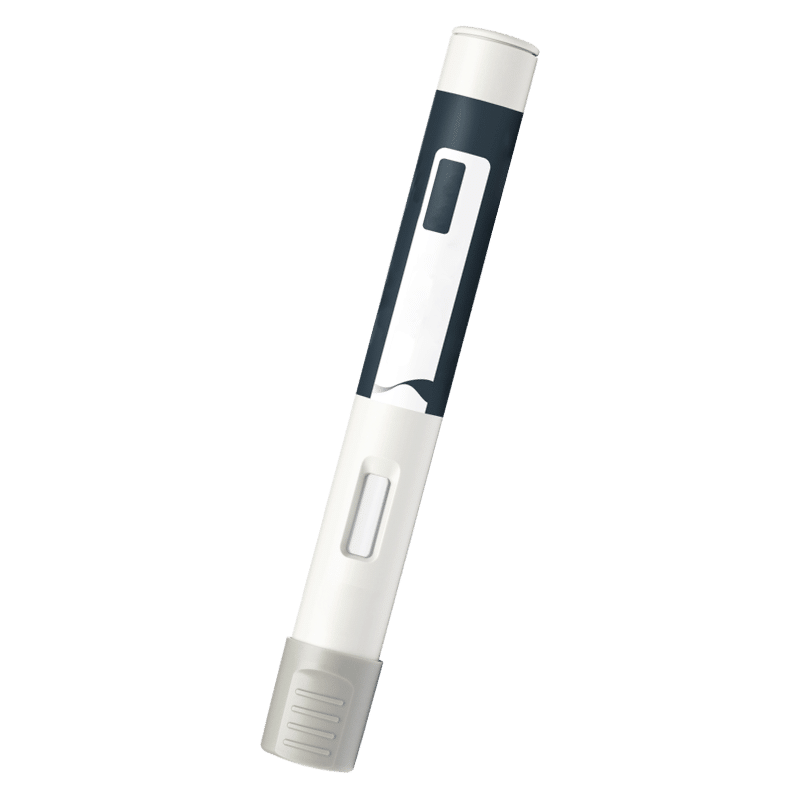
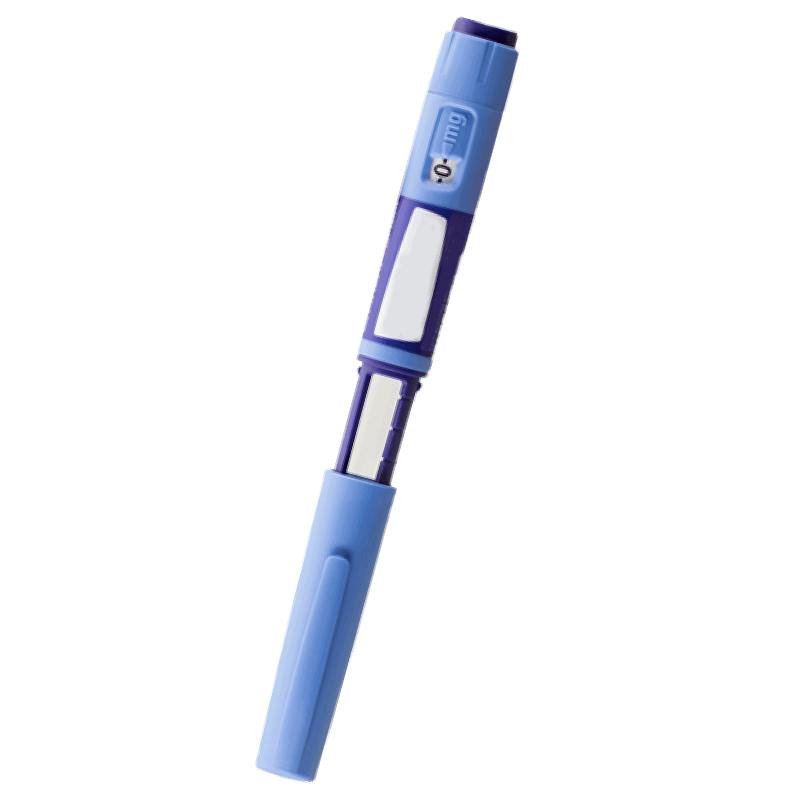
Glucagon-like peptide-1 (GLP-1) is an incretin hormone, a small protein messenger (gut peptides) that helps to regulate your appetite and tell you when you're full. It stimulates the release of insulin, which lowers your blood sugar. It also acts on your appetite by telling you when you’ve had enough to eat. Retatrutide mimics the action of and activates GLP-1 receptors, reducing your appetite while also slowing down gastric emptying (the rate that food moves through the gut).
GIP
Glucose-dependent insulinotropic polypeptide (GIP) is another type of incretin hormone that is released when you eat. Like GLP-1, GIP acts as a satiety signal to tell you when you’re full. It also increases insulin production, and helps regulate fat metabolism and blood sugar. Activating GIP receptors is thought to enhance the effects of GLP-1 when these two actions are combined.
GCG
The effect of Retatrutide on glucagon (GCG) is what sets it apart from other existing weight loss injections. Glucagon works by counteracting the effects of raised insulin, by raising your blood sugar levels. Activating GCG receptors alone would then work against efforts to lose weight, but when activated alongside GLP-1 and GIP receptors, GCG can increase overall energy expenditure and fat burning without raising blood glucose excessively. This novel combined mechanism means retatrutide is the first weight loss injection to target three metabolic pathways.