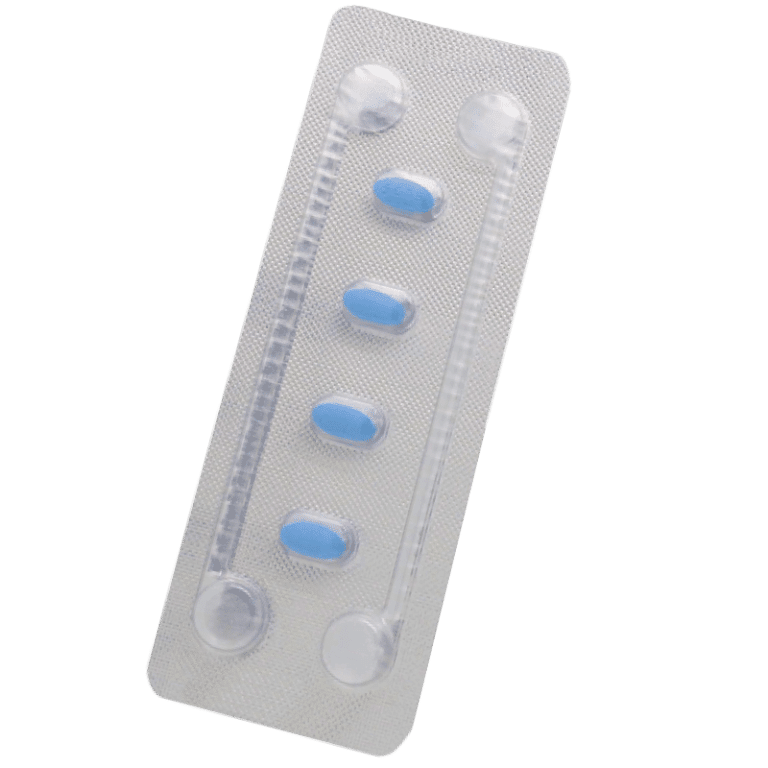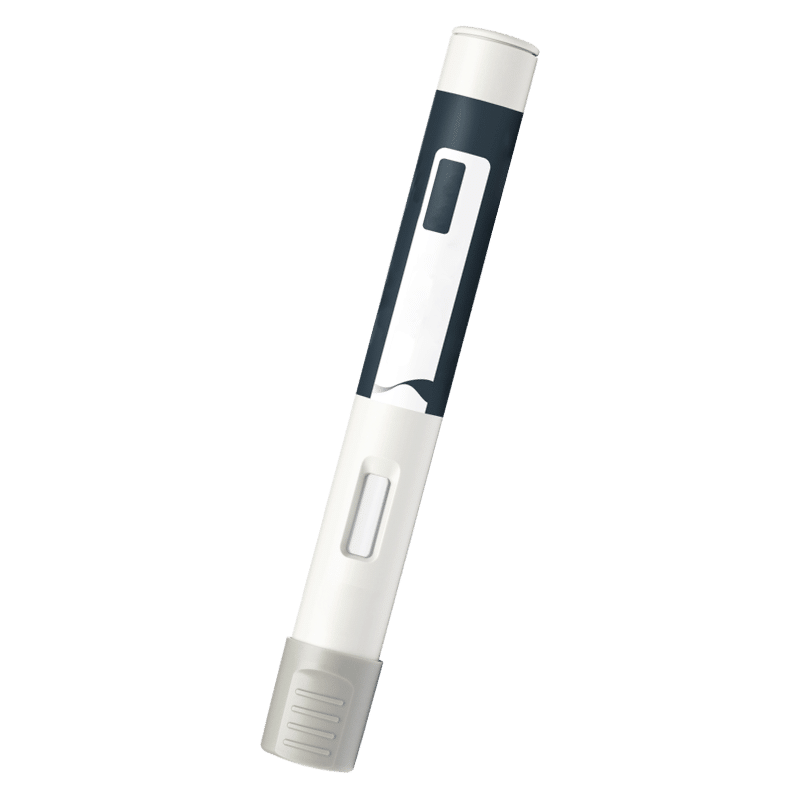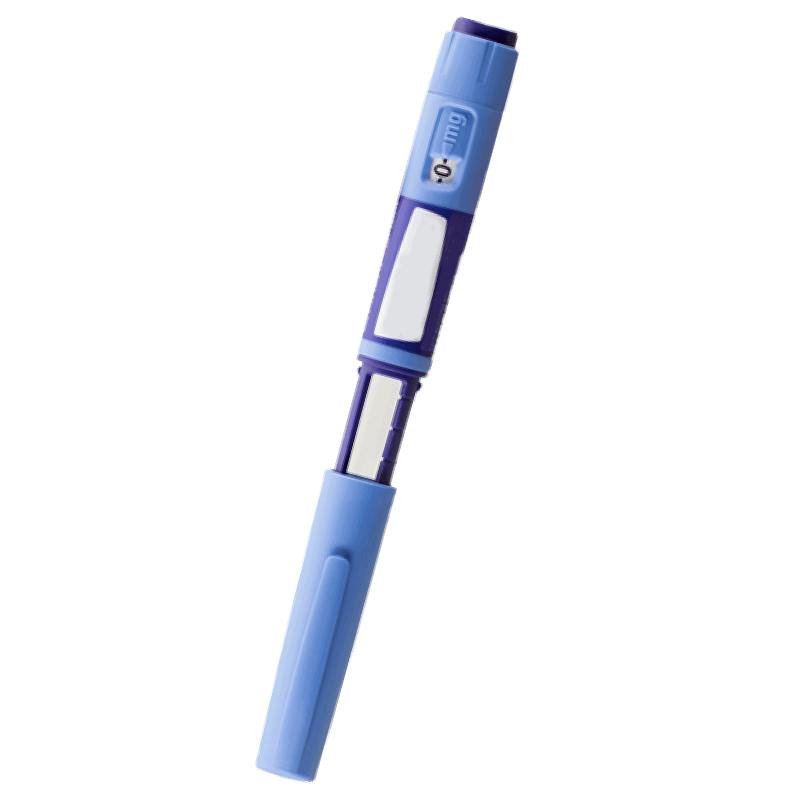
GLP-1 receptor agonists are weight loss medicines, but their benefits go beyond this. Research shows they can have wider benefits on heart health, and reduce the risk of heart failure, strokes, and blood clots.

- Extra fat around organs can raise blood pressure, cause high cholesterol, and increase the risk of heart problems.
- Losing weight reduces the workload on the heart, lowers blood pressure, and improves cholesterol levels.
- GLP-1 and GIP medications can reduce inflammation, improve blood vessel function, and stabilise plaque in the arteries, lowering the risk of heart attacks.
- Studies show GLP-1s can reduce cardiovascular events by around 14%.
Ectopic fat is the stored fat in and around the organs. It typically occurs in people with obesity when excess fat accumulates. This can put pressure on the heart and change its structure and function, leading to health problems.
Some ways obesity can affect heart health include:
High blood pressure puts a strain on the heart as it has to work harder to pump more blood around the body. Over time, this can lead to heart attacks and heart failure.
This can also cause the heart to have a challenging time pumping blood through the narrowed arteries, which further increases blood pressure.
Type 2 diabetes can cause plaque to build up in blood vessels, which restricts blood flow. High blood sugar levels can also raise blood pressure, contributing to cholesterol buildup, further increasing heart disease risk.
Dr. Daniel Atkinson:‘There are already several known benefits that weight loss injections like Wegovy and Zepbound can have on heart health, and we seem to be discovering more all the time. Lowering blood pressure and cholesterol, contributing towards stable heart rhythm, reducing diabetic plaque, and lowering inflammation are just some of the positive effects we know about.
'But when you also factor in the other changes people on weight loss treatment make, like exercising more and lowering alcohol consumption, then the benefits to heart health likely go even further.’
Losing weight naturally lowers blood pressure and improves cholesterol levels. This is because the heart doesn’t need to work as hard to pump blood around your body.
Weight loss also reduces bad cholesterol (LDL) and increases good cholesterol, which decreases the overall risk of blood clots and heart disease.
Additionally, a healthier diet during weight loss can help decrease inflammation and reverse insulin resistance. This improves blood sugar control, enhances insulin sensitivity, and reduces the risk of type 2 diabetes. These changes further support heart health.
Research shows that GLP-1s have positive effects beyond what’s expected for weight loss. One study found that GLP-1s reduced the risk of cardiovascular events by 14% in patients with type 2 diabetes or preexisting cardiovascular illness.
Likewise, another study showed that semaglutide reduced cardiovascular events, such as heart failure, heart attack, and death related to obesity.
Patients who lost more than 10% of their total body weight had the highest positive impact on their heart health.
These benefits weren’t just limited to people with preexisting heart conditions; even those with no history of heart issues saw significant improvement.
Here’s how GLP-1s can improve heart health:
Overall GLP-1s have significantly positive effects on heart health. When you start treatment with a GLP-1, there’s a slight chance of your heart rate increasing, but this shouldn’t affect your health. It’s only a serious risk if you have the following conditions:
Other potential health risks are mainly gastrointestinal, such as nausea, diarrhea, vomiting, and stomach cramps. These should subside as your body adjusts to the medicine.
Your doctor will make sure weight loss treatment is safe for you by checking your medical history. They’ll also closely monitor you during the entire treatment process.
A doctor can help you to learn more about the heart benefits of GLP-1 treatment and whether it’s safe for you. These medications are usually recommended for people with a BMI over 30, or 27 with weight-related health conditions like type 2 diabetes or heart issues, who haven’t been able to lose weight with lifestyle adjustments alone.
If you’re looking to lose weight, our online consultation can help you to find out if treatment is suitable for you.
Obesity and Cardiovascular Disease: A Scientific Statement From the American Heart Association. Circulation, 143(21), e984.
Links between ectopic fat and vascular disease in humans. Arteriosclerosis, Thrombosis, and Vascular Biology, 34(9), 1820.
Your Heart and Diabetes. Diabetes.
Semaglutide and Cardiovascular Outcomes in Obesity without Diabetes. The New England Journal of Medicine, 389(24).
Semaglutide and cardiovascular outcomes in patients with obesity and prevalent heart failure: a prespecified analysis of the SELECT trial. The Lancet, 404(10454), pp.773–786.
The anti-inflammatory and immunological properties of GLP-1 Receptor Agonists. Pharmacological Research, 182, 106320.
Chapter 16 - Clinical investigations of vascular function. The Vasculome. Elsevier.
The Effects of Glucagon-Like Peptide-1 Receptor Agonists and Dipeptydilpeptidase-4 Inhibitors on Blood Pressure and Cardiovascular Complications in Diabetes. Journal of Diabetes Research, 2021, 6518221.
Targeting Diabetic Atherosclerosis: The Role of GLP-1 Receptor Agonists, SGLT2 Inhibitors, and Nonsteroidal Mineralocorticoid Receptor Antagonists in Vascular Protection and Disease Modulation. Biomedicines, 13(3), 728.
Impact of semaglutide on lipid profiles in overweight and obese non-diabetic adults: A systematic review and meta-analysis of randomized controlled trials. European Journal of Pharmacology, 1003, p.177953.
Sourcing guidelines:
When we present you with stats, data, opinion or a consensus, we’ll tell you where this came from. And we’ll only present data as clinically reliable if it’s come from a reputable source, such as a state or government-funded health body, a peer-reviewed medical journal, or a recognised analytics or data body. Read more in our editorial policy.
Have a subject you’d like us to cover in a future article? Let us know.
We're making healthcare more about you. Sign up to our newsletter for personalized health articles that make a difference.
Disclaimer: The information provided on this page is not a substitute for professional medical advice, diagnosis, or treatment. If you have any questions or concerns about your health, please talk to a doctor.
Authorised and Regulated by:
We couldn't find what you're looking for.
Here's everything we treat. Or, if you're looking for something we don't have yet, you can suggest something.
(And leave your email too, so we can let you know if we write an article based on your suggestion.)
By clicking 'Subscribe now' you're agreeing to our Privacy Policy.
(And leave your email too, so we can let you know if we write an article based on your suggestion.)
Last updated on Mar 19, 2026.
Our experts continually monitor new findings in health and medicine, and we update our articles when new info becomes available.
Mar 19, 2026
Published by: The Treated Content Team. Medically reviewed by: Dr Alexandra Cristina Cowell, Writer & Clinical Content ReviewerHow we source info.
When we present you with stats, data, opinion or a consensus, we’ll tell you where this came from. And we’ll only present data as clinically reliable if it’s come from a reputable source, such as a state or government-funded health body, a peer-reviewed medical journal, or a recognised analytics or data body. Read more in our editorial policy.