

VerifiedFact Checked
How dangerous are fake weight loss injections?

How dangerous are fake weight loss injections?

With the ever-increasing demand for weight loss injections (WLIs), more and more scammers are trying to capitalize by selling fake or counterfeit treatments that can pose a risk to your health.

Find out how to identify these fake treatments and make sure the medicines you’re buying are legitimate.

Alexandra Cristina Cowell
Medically reviewed by
Alexandra Cristina Cowell, Writer & Clinical Content Reviewer
Go to
Reviewed on Oct 3, 2025. by Dr Alexandra Cristina Cowell Writer & Clinical Content Reviewer Next review due on Oct 3, 2028.
Alexandra Cristina

Last updated on Mar 06, 2026.

Was this article useful?
Summary:
  • Counterfeit weight loss injections may contain harmful or incorrect ingredients, posing serious risks to your health.
  • Fake products often lack proper dosing guidance or sterile equipment.
  • Genuine injections are clear or pale yellow; cloudy or unusual liquid may indicate a fake.
  • You should only buy from FDA-approved sources and state-licensed pharmacies.

What are the dangers of fake weight loss injections?

There are many dangers of fake WLIs, with some potentially leading to serious health consequences. Here’s why you should avoid counterfeit treatments:

Incorrect or contaminated ingredients

Fake medicines aren’t subject to the same regulations and hygiene checks as genuine products. As a result, they may contain unsterile, harmful, or even banned ingredients, which could put your health at risk.

Additionally, a shortage of WLIs due to limited ingredients means there’s a high likelihood that counterfeit products don’t contain a GLP-1, the essential ingredient needed for effective weight loss.

Without knowing the actual contents of these products, using them is a serious risk to your health.

Dosages may be incorrect

There’s a structured process when starting WLIs. You’ll start on the lowest dose, which increases every week or month until you reach a maintenance dose you’re happy with. But this process isn't always straightforward. In some cases, your healthcare provider might recommend remaining on a lower dose until your side effects become more manageable.

Using fakes means you have no idea what the actual dose is. So you might unknowingly start on a higher dose, which significantly increases your risk of side effects. There’s also a risk of taking too much, which could lead to overdose, very low blood sugar or severe nausea.

DIY syringes and kits

Counterfeit products don’t undergo proper regulation during manufacturing. There’s a chance they’re produced in unhygienic conditions, which could increase your risk of infections and contamination.

Another potential risk is that the needle may not be made properly; for example, it might be less sharp or not made from the appropriate material. This can increase your risk of infection and physical injury.

Another concern is that they may not provide enough needles. Typically, needles are used once and then discarded in a sharps container. Reusing needles can be harmful and may lead to infections, including serious ones like Hepatitis B and C.

No prescription or proper medical assessment

Using WLIs without the supervision of a healthcare provider can be dangerous. Typically, you’ll be asked to provide some information, including:

  • Your BMI
  • Your weight
  • Any existing medical conditions
  • Current medications you are taking
  • Family history of cancers or other significant diseases

Your doctor would assess your case and make sure the treatment is safe and suitable for you. No assessment is carried out when using fakes, which puts you at serious risk.


Where can you buy from to avoid counterfeits?

There are plenty of places where you can buy legitimate treatments and avoid counterfeits.

Authorized healthcare providers

In the US, you can obtain a prescription through your primary care physician or a legitimate telehealth service. They’ll make sure you meet the medical criteria and provide a valid prescription.

Private online pharmacy

When considering a private online pharmacy, it’s important to check that they’re legitimate. You should look for:

  • Registration: Is the pharmacy accredited by the National Association of Boards of Pharmacy (NABP)? Look for the .pharmacy domain or the Digital Pharmacy Accreditation (formerly VIPPS) seal.
  • Contact Information: Does the pharmacy provide a real US address and phone number?
  • Associated Professionals: Are the doctors and clinicians registered with the relevant state regulatory bodies?

Local pharmacy

Most retail pharmacies supply WLIs with a valid prescription. Your pharmacist will also verify the medication’s authenticity through the secure drug supply chain.

How to spot fake weight loss injections

  • Price – If the price is too good to be true, it probably is fake. With the latest 2026 cash-pay programs, genuine WLIs like Wegovy or Zepbound typically cost between $199 and $349 per month for eligible patients. If someone is selling them for $50 or $100 without insurance or a valid savings program, it’s likely a fake.
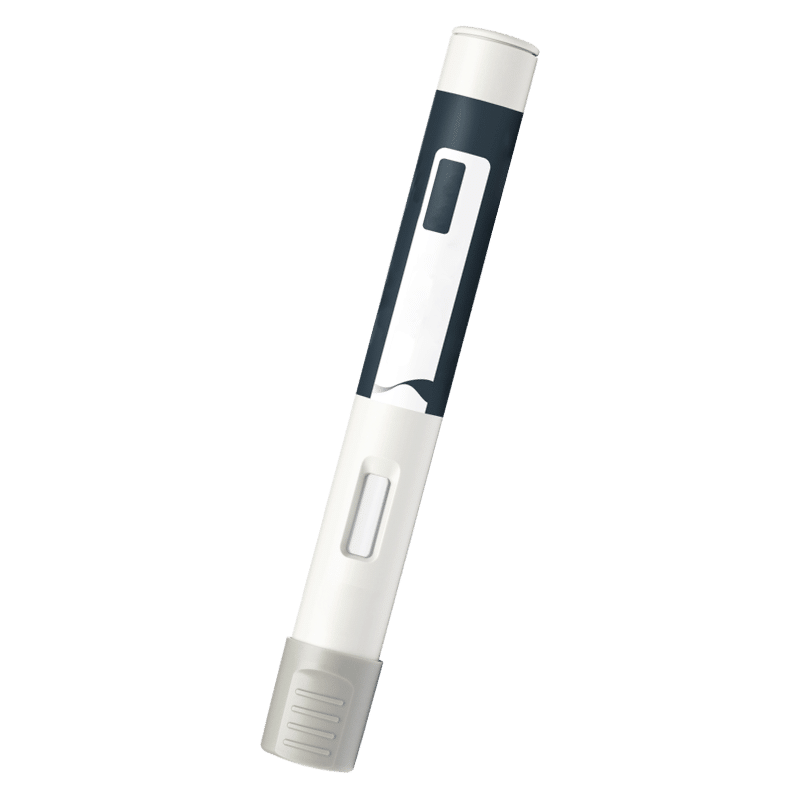
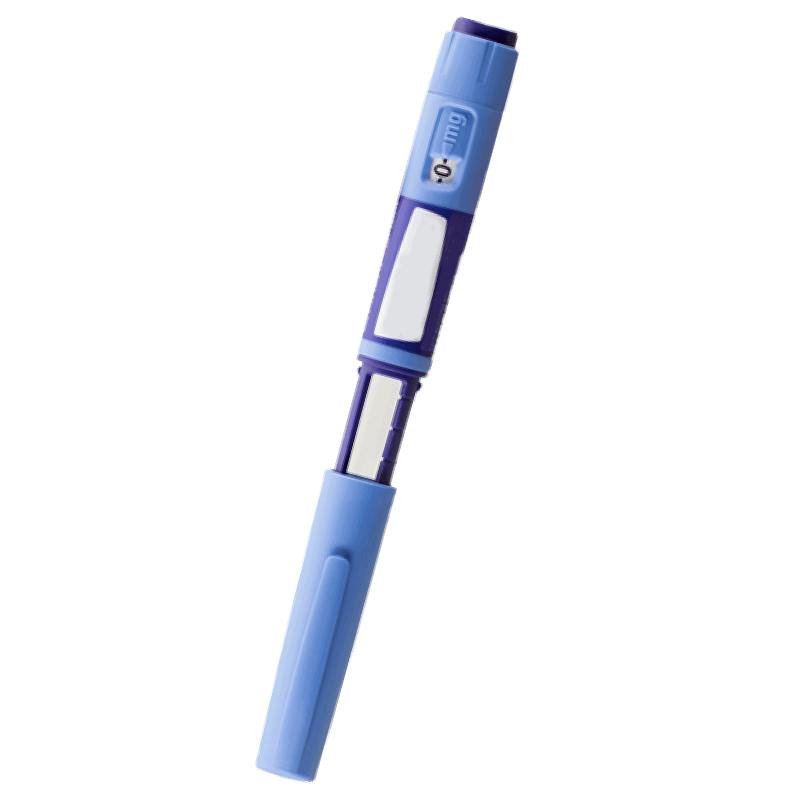
  • Liquid – Most injections have a window to check the liquid. Wegovy and Zepbound will be clear, colorless, or a pale yellow color. Saxenda should be clear and colorless. If it looks cloudy or unusual, it may be a sign that the pen is fake or expired.
  • Serial and batch code – If you suspect your medicine is fake, contact the supplier (Novo Nordisk or Eli Lilly) with your batch and serial code, so they can check it’s legitimate.
  • Prescription – You always need a prescription for WLIs. If you can buy one without a prescription, it’s likely fake.

How to order Zepbound online safely

There are many safe places to buy WLIs. You should verify that the seller is legitimate to keep yourself safe.

If you’re unable to afford legitimate WLIs, don’t risk your health. There are other effective and affordable treatments available, such as Orlistat (Xenical or over-the-counter Alli).

And if you come across any fake products, please report them to the FDA’s Office of Criminal Investigations or use the FDA MedWatch reporting site.

Sourcing guidelines:

When we present you with stats, data, opinion or a consensus, we’ll tell you where this came from. And we’ll only present data as clinically reliable if it’s come from a reputable source, such as a state or government-funded health body, a peer-reviewed medical journal, or a recognised analytics or data body. Read more in our editorial policy.

Tell us what you want to hear.

Have a subject you’d like us to cover in a future article? Let us know.

Give us the inbox treatment.

We're making healthcare more about you. Sign up to our newsletter for personalized health articles that make a difference.

Disclaimer: The information provided on this page is not a substitute for professional medical advice, diagnosis, or treatment. If you have any questions or concerns about your health, please talk to a doctor.

Suggest a health guide

Tell us your idea here.

(And leave your email too, so we can let you know if we write an article based on your suggestion.)