


What medications are there for psoriasis?
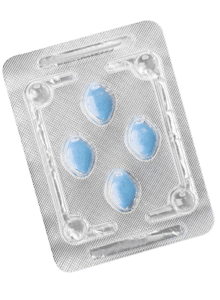
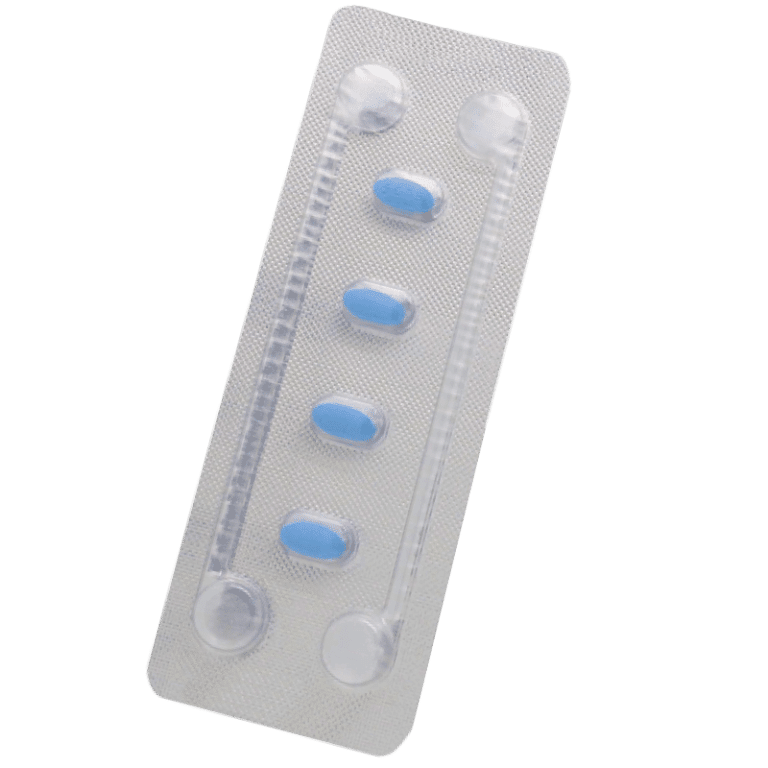
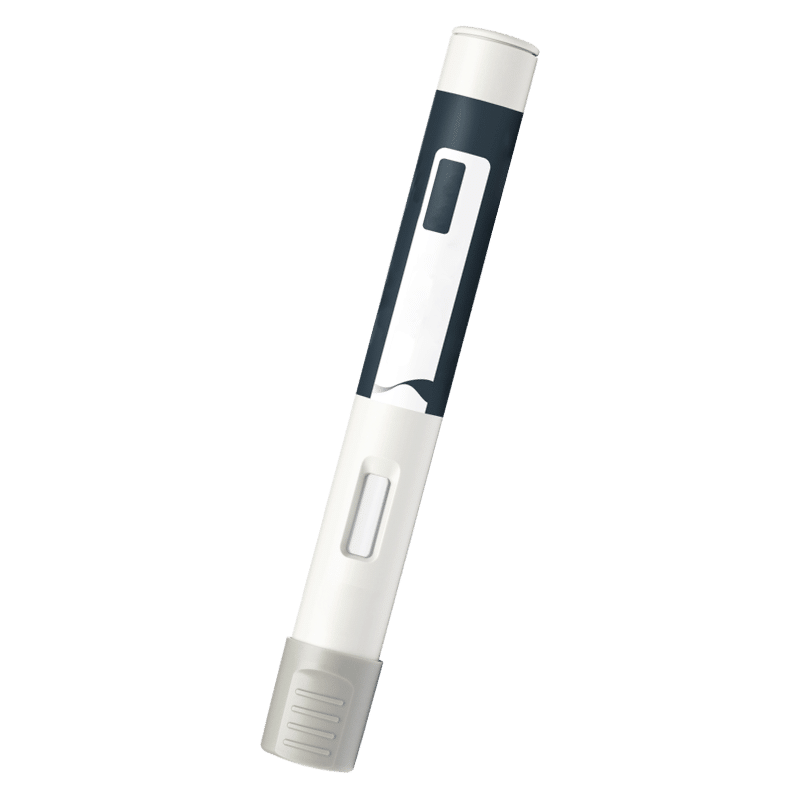
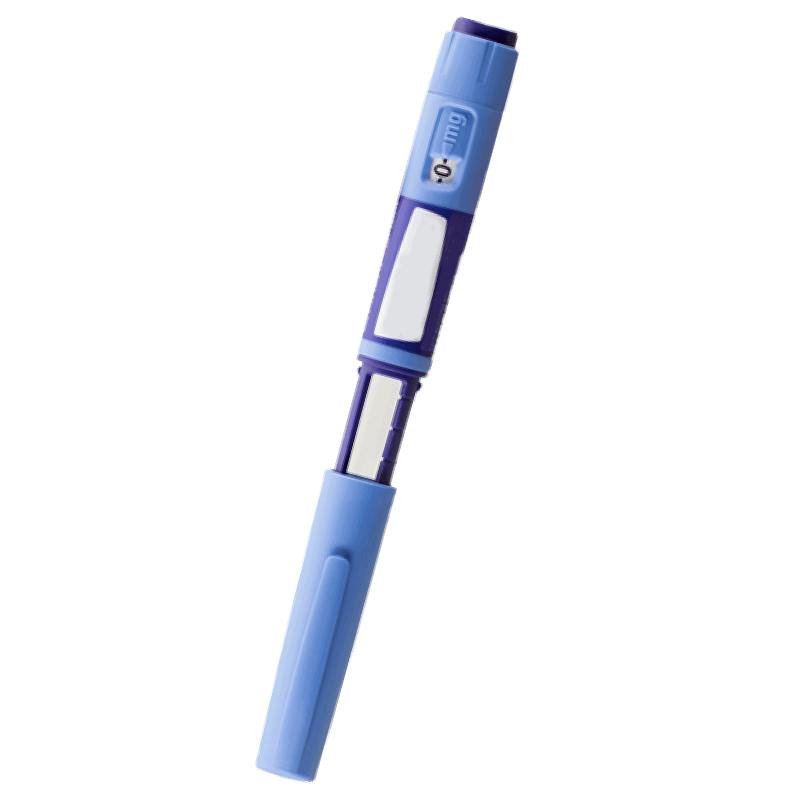
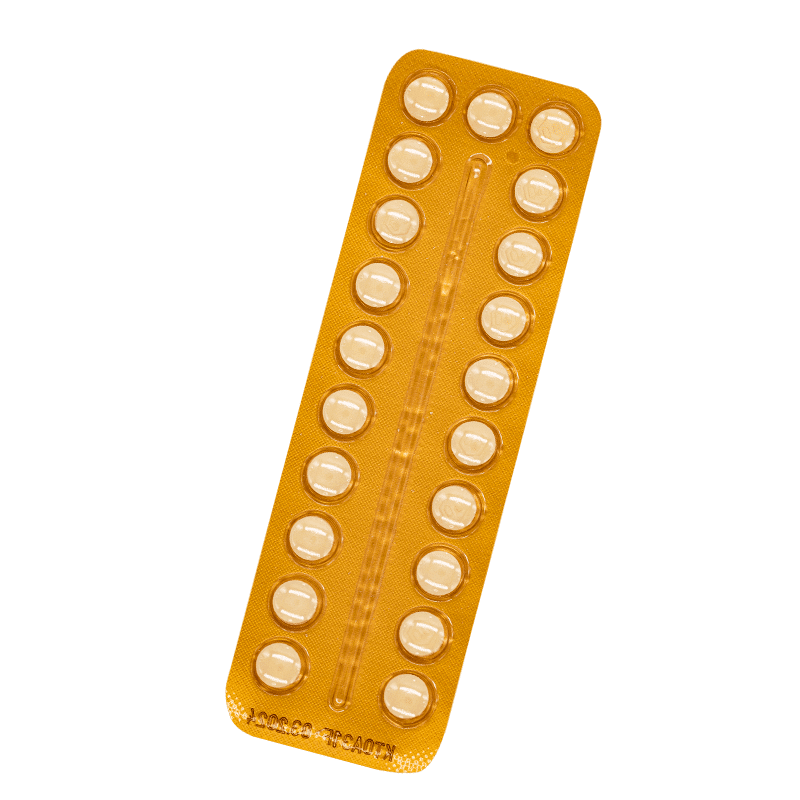
Which psoriasis treatment is right for you depends on the severity of your condition, but as a general rule, the first treatment option offered to people with psoriasis is a topical medication, like vitamin D ointments and lotions, or topical corticosteroids that you apply to the affected areas of your skin. Thereโs no cure for psoriasis, but these treatments will usually successfully tackle the symptoms and improve the appearance of your skin. There are also systemic treatments that you can take orally or inject into your body.
If you find that all these treatment methods are unsuccessful, or if you have a more severe case of psoriasis, thereโs a type of treatment called phototherapy that may be used. Phototherapy works by exposing your skin to ultraviolet light, and studies have stated that itโs an effective treatment for psoriasis.[1]
Finding the right treatment for you can be tricky at first, and sometimes you might need to use different treatments together to get the best results possible. Our medical team is here to help you find the right medication, and theyโll check in with you regularly to make sure that your treatment is going well and to make any adjustments if necessary.
Is there a โbestโ treatment for psoriasis?
There isnโt a โbestโ treatment for psoriasis as such. Each person will react differently to different treatments, so the goal is to find the best treatment for you. The right medication for you will depend on what type of psoriasis you have, how serious it is, and which parts of your body are affected.
You may also not find the perfect solution straight away and it can sometimes be a case of trial and error. A doctor will prescribe a mild treatment to begin with, to see how your body reacts to it, such as a topical cream. If your symptoms donโt improve after some time, you may be given a stronger treatment.
Does psoriasis always need treatment?
Even if your psoriasis is mild and doesnโt affect your life considerably, you should still get treatment. Managing the condition is essential to prevent it from becoming more serious.
Psoriasis is a chronic condition, meaning that there is no cure. But it also means that there are periods where you wonโt experience any symptoms or only mild symptoms, and periods where your symptoms are more severe. These periods are commonly referred to as flare-ups, and you should get treatment based on their frequency or severity.
Treated trusted source:
- The Institute for Quality and Efficiency in Health Care (IQWiG). (2017). Does light therapy (phototherapy) help reduce psoriasis symptoms?
How we source info.
When we present you with stats, data, opinion or a consensus, weโll tell you where this came from. And weโll only present data as clinically reliable if itโs come from a reputable source, such as a state or government-funded health body, a peer-reviewed medical journal, or a recognised analytics or data body. Read more in our editorial policy.