
What is PrEP?
PrEP (short for pre-exposure prophylaxis) is a type of antiviral treatment that helps to protect you from getting HIV. It’s specifically for people who have an increased risk of getting HIV. So for example, if you have a HIV positive partner, you may benefit from taking PrEP daily in addition to using a condom.
HIV stands for human immunodeficiency virus. It’s a type of sexually transmitted infection. The HIV virus damages cells in your immune system, which puts you at greater risk of getting infections or disease. PrEP interferes with the virus’ reproduction, to keep your immune system protected.
With PrEP, you can also do what’s called ‘event-based dosing’. For example, if you’re going on holiday and likely to be having sex with casual partners, there’s a way you can take it called ‘holiday PrEP’ or ‘on-demand PrEP’, where you take it for a short period of time to increase your protection.
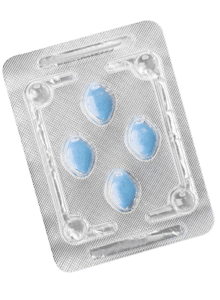
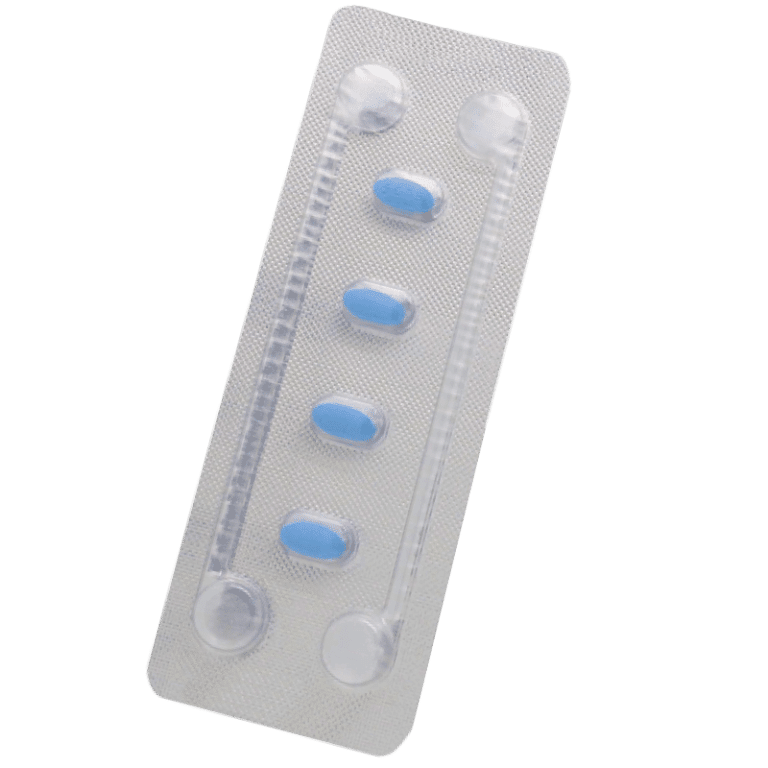
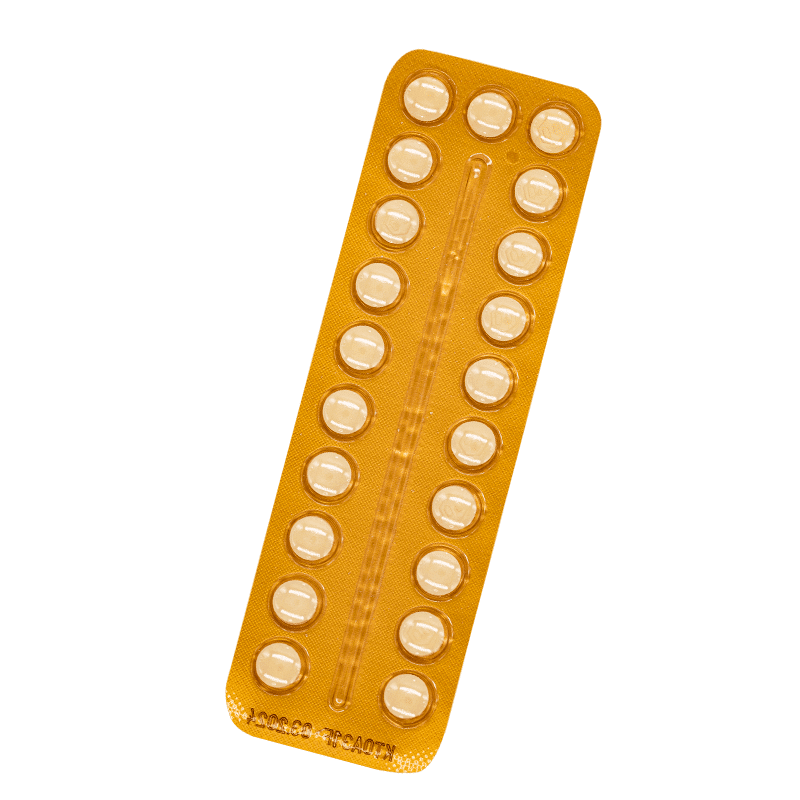
PrEP is available as a branded tablet (Truvada) and as a generic pill (Emtricitabine/Tenofovir disoproxil). The way they work should be the same, but the way the tablet looks and the company that makes them are different. Generic PrEP also tends to be much cheaper.
How does PrEP work?
Pre-exposure prophylaxis contains two active ingredients: emtricitabine and tenofovir. In short, to protect from HIV PrEP stops an enzyme that the virus needs to replicate itself. When HIV is transmitted from one person to another, there’s an ‘incubation period’ where these viral cells convert their own genetic material from RNA into DNA. The medicines in PrEP interfere with this process, to stop the virus from developing. This should help you stay HIV negative.
Who should take PrEP?
Pre-exposure prophylaxis is recommended if you’re HIV negative but experience situations where you’re at high risk of contracting HIV.
Taking PrEP may help you if:
- Your partner has a detectable viral load of HIV
- You’re planning on having unprotected sex with casual partners
- You’re having sex with someone with an unknown HIV status
- You share needles or injection equipment with other people.
But if you’ve tested positive for HIV PrEP isn’t appropriate, because the dose isn’t high enough to suppress the virus. The treatment for this is very similar to PrEP medication, but the dose and the way you take it is different. You can take a test to check if you’re HIV negative at a local sexual health clinic, or by speaking to your GP. You’ll just need a blood test 18-45 days after you think you were exposed, or a finger stick test 18-90 days after exposure to test for antigens/antibodies.
Before you begin taking PrEP medication, you take a hepatitis B test. The active ingredient in PrEP can work to treat hepatitis B as well – but it’s not a high enough dose to control the virus. This can lead to the virus becoming resistant to treatment in the future.
If you stop taking PrEP medication for any reason if you have hepatitis B, it can also cause it to flare and affect your liver function. If your test is clear, then you should get a hepatitis B vaccination series to protect you from infection while you’re using PrEP.[3]
You should also let your clinician know if you’re using any recreational drugs before taking PrEP. While you’re using PrEP drugs can work differently – and taking them at the same time can increase your risk of side effects.
How effective is PrEP?
Clinical studies have found that taking PrEP can reduce the risk of HIV infection by 86%.[1] Taken daily, it’s been estimated to be 88-90% effective, if not higher.[2]
If you take it every day, it takes seven days for PrEP to become fully effective at preventing transmission of HIV infection through anal sex. If you’re a woman taking it for vaginal sex, it takes 21 days.