VerifiedFact Checked
Dual agonists vs Triple agonists: Which are better?

Dual agonists vs Triple agonists: Which are better?

Weight loss treatments are evolving at an unprecedented pace. We’ve officially moved beyond the era of medications that only target one hormone (like Saxenda and Wegovy) and entered a new world of multi-hormone targeting.

Alexandra Cristina Cowell
Medically reviewed by
Alexandra Cristina Cowell, Writer & Clinical Content Reviewer

Go to
Reviewed on Jul 02, 2026. by Dr Alexandra Cristina Cowell Writer & Clinical Content Reviewer Registered with GPhC (No. 2241935) Next review due on Jul 02, 2029.

Alexandra Cristina

Last updated on Jul 17, 2026.

Was this article useful?
1 people found this helpful

The conversation is now dominated by two categories of treatment:

  • Dual agonists: Medications that target two metabolic hormones at the same time (typically GLP-1 and GIP) to quiet “food noise,” slow digestion, and improve how your body processes blood sugar.
  • Triple agonists: The next leap forward in metabolic science. These target three hormones at once, adding glucagon to the GLP-1 and GIP foundation to reduce appetite while actively helping your body to burn more calories at rest.

On paper, targeting three hormones sounds like an automatic victory. But in reality, choosing the “better” option is a fine balance between maximum weight loss potency, real-world availability, and what your body can actually tolerate.

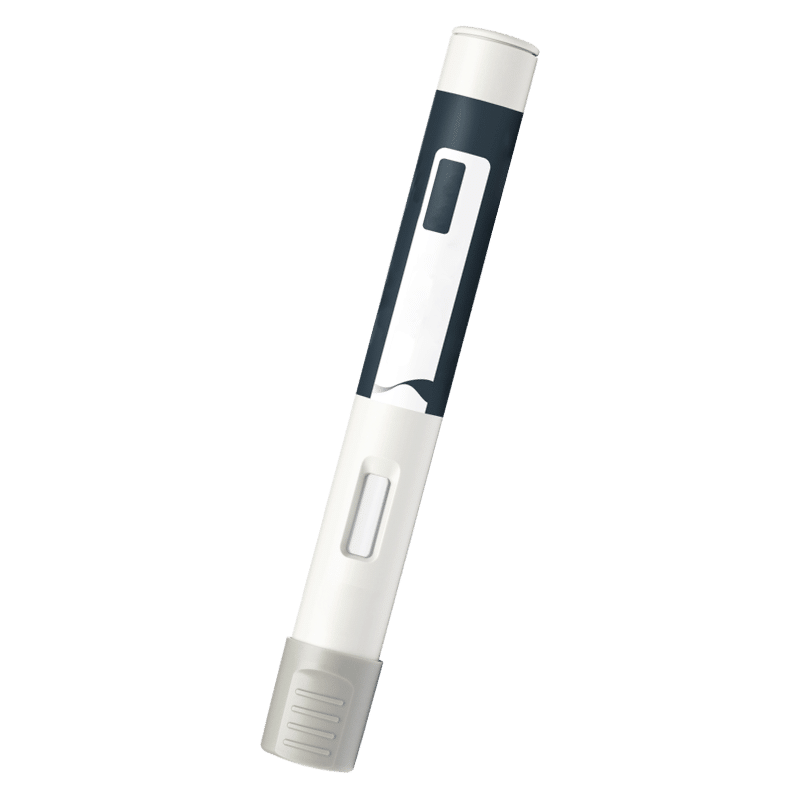
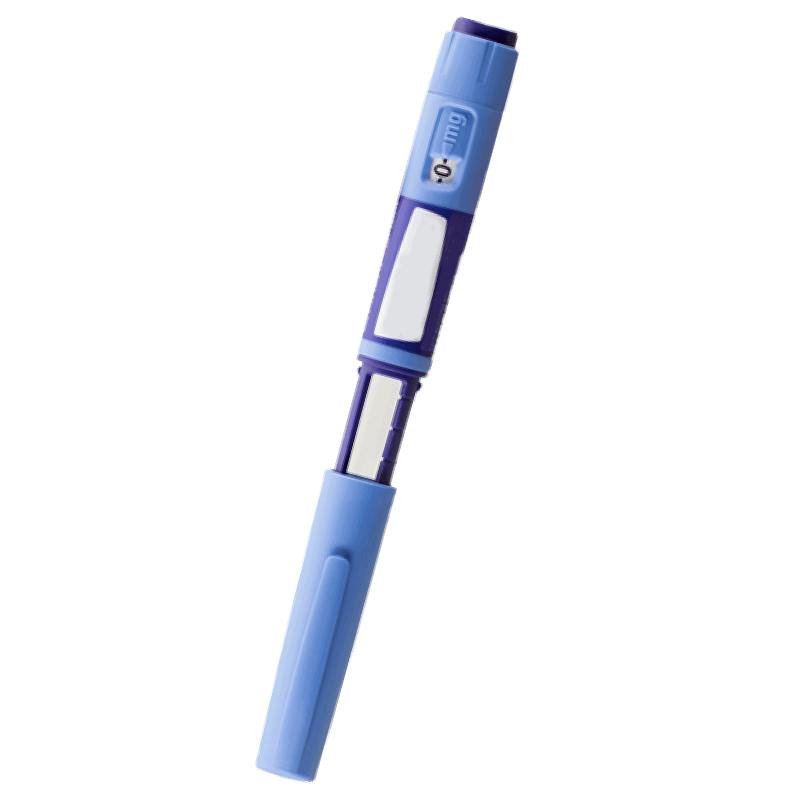
To see how this science plays out in practice, let’s compare the US’s current gold standard, Zepbound, to one of the most anticipated pipeline drugs, Retatrutide.

Zepbound vs Retatrutide

Zepbound (tirzepatide) is fully approved by the FDA and widely available for both type 2 diabetes and weight loss.

Retatrutide, on the other hand, is Eli Lilly’s next-generation follow-up. While it’s generating massive headlines globally and in the US scientific community, it’s still an experimental drug and can’t yet be legally prescribed.

The core difference between them comes down to how many metabolic pathways they target: Zepbound is a dual hormone agonist, while Retatrutide is a triple hormone agonist (often nicknamed the “triple G”).

Zepbound (tirzepatide) Retatrutide (investigational)
Hormone targets Dual: GIP + GLP-1 Triple: GIP + GLP-1 + Glucagon
Average weight loss ~22.5% over 72 weeks Up to 30% over 104 weeks (recent Phase 3 data)
Availability Available by prescription and covered by many insurance plans Not approved (strictly clinical trials only)
How it’s taken Once-weekly KwikPen injection Once-weekly injection
Expected US launch Out now Estimated late 2027 or 2028

Zepbound mimics two natural gut hormones: GLP-1 (which slows stomach emptying and signals fullness to your brain) and GIP (which improves how your body responds to sugar and regulates appetite and fat cells).

Retatrutide, on the other hand, targets the same hormones as Zepbound plus one other: glucagon. Glucagon helps increase your body’s energy expenditure (burning more calories at rest) and specifically targets fat accumulation in the liver.

Studies suggest Retatrutide may be more effective, too. While clinical trials show adults on the highest dose of Zepbound lose an average of 22.5% of their body weight after 72 weeks (when paired with diet and exercise), recent Phase 3 trial data (from the TRIUMPH-1 study released in May 2026) shows even better results. Participants with severe obesity on the highest doses achieved up to 30% body weight reduction over two years, numbers previously only seen with bariatric surgery.

Do Zepbound and Retatrutide cause the same side effects?

The short answer is yes and no. Zepbound and Retatrutide do share the same baseline of gastrointestinal side effects (like nausea and constipation), however, because Retatrutide targets a third hormone (glucagon), it introduces a couple of side effects not seen with Zepbound, specifically related to heart rate and skin sensitivity.

Which side effects do they share?

Because both medications slow down your digestive system and signal fullness to the brain, they share the standard “GLP-1 family” side effects. These typically peak when you start treatment or you’re stepping up your doses (titration) and improve as your body adjusts:

  • Nausea
  • Vomiting
  • Diarrhea
  • Constipation
  • Decreased appetite
  • Acid reflux
  • Fatigue
  • Headaches

Where Retatrutide differs

Because Retatrutide also targets glucagon, this alters how it affects your body, resulting in a couple of side effects not usually seen with Zepbound:

1. A faster resting heart rate

Glucagon increases your body’s energy expenditure (which means you’ll burn more calories at rest), which naturally impacts your cardiovascular system.

So while Zepbound typically causes a very mild resting heart rate increase of about 2.1 to 5.4 beats per minute, Retatrutide has shown a more noticeable average increase of 6.7 to 7 beats per minute. Trials also noted a mild increase in transient, non-serious irregular heartbeats or palpitations in 2% to 11% of patients (depending on the dose).

2. Skin sensitivity (dysesthesia)

A unique side effect called dysesthesia has emerged in clinical trials of Retatrutide, affecting around 21% of patients on the highest dose. Patients describe it as an altered sense of touch where their skin feels abnormally sensitive, burning, tingling, or tender against clothing or water.

Side effect Zepbound (top dose) Retatrutide (tope dose)
Nausea ~31% of users 43.2% of users
Vomiting ~12.2% of users 20.9% of users
Diarrhea ~23% of users ~33% of users
Average heart rate increase Mild (5.4 bpm) Noticeable (6.7+ bpm)
Skin tingling/sensitivity Rare / not flagged Common (~21% of users)

Is Retatrutide better than Zepbound?

Whether Retatrutide is “better” than Zepbound depends entirely on what “better” means to you. If you’re looking strictly at raw weight loss data, Retatrutide may be the winner. But if you’re looking at what’s safe, available, and tolerable to take right now, Zepbound seems to be the clear winner. However, the best way to see how Zepbound and Retatrutide stack up would be to compare them directly in a head-to-head trial.

Weight loss results

If we look solely at the clinical data, Retatrutide may outperform Zepbound.

  • Zepbound’s landmark trials showed an average weight loss of around 22.5% after 72 weeks.
  • Phase 3 trial data for Retatrutide showed that adults with severe obesity lost an average of up to 30% of their body weight over two years.

And because Retatrutide targets three metabolic hormones (GLP-1, GIP, and glucagon) instead of Zepbound’s two, it doesn’t just switch off your appetite; it actively coaxes your body into burning more calories at rest and clears fat out of your liver faster.

As a result, Retatrutide is widely considered the most potent weight loss drug ever made.

Practicality and safety

While Retatrutide wins on paper, Zepbound wins in the real world for a few key reasons:

  • It’s actually available. Zepbound is fully approved by the FDA and sits on US pharmacy shelves today. You can get it privately or via insurance if you meet the criteria. Retatrutide, on the other hand, is still an investigational drug. It’s not expected to clear regulatory hurdles and launch in the US until late 2027 or 2028 at the earliest.
  • It’s easier to tolerate. In clinical trials, about 11% of people stopped taking Retatrutide due to side effects (mostly severe nausea and vomiting). With Zepbound, the dropout rate was around half of that.
  • It has fewer irregular side effects. Zepbound’s side effects are almost entirely confined to your stomach. Whereas Retatrutide can introduce unique complications due to its glucagon targeting.

The verdict

If your priority is… The “winner”* Why?
Maximum possible Weight loss Retatrutide Achieves up to 30% weight loss, approaching bariatric surgery levels.
Immediate availability Zepbound Legally prescribable right now, Retatrutide is years away.
Fewer side effects and dropouts Zepbound Better tolerated with a much lower rate of discontinuation.
Reversing fatty liver disease Retatrutide The glucagon component specifically targets and reduces liver fat.

*The options we’ve highlighted as the “winner” are based on the evidence currently available. However, the best treatment for you will depend on your individual circumstances. That’s why it’s important to discuss your options with your clinician, who can help you choose the treatment that’s most suitable for you.

When can I buy Retatrutide?

Because Retatrutide is still in clinical development, it doesn’t have FDA approval yet. The earliest we might see FDA approval is late 2027, and a subsequent insurance formulary adoption would likely push its widespread availability back to 2028 or 2029.

And because of the huge online hype, authorities have heavily cracked down on underground vendors. U.S. Customs and Border Protection and federal investigators have recently seized thousands of smuggled shipments of unapproved, “research-grade” Retatrutide and indicted domestic providers distributing these misbranded chemicals. These gray-market products are completely untested for human safety, highly prone to contamination, and illegal to buy or sell for personal use.

So while Retatrutide may represent the future of obesity treatment, it’s important to remember that Zepbound is the gold standard of the present. If you’re looking to start making positive changes to your health now, waiting years for an unreleased drug is a less preferable option when there’s a highly effective option sitting on the shelf today.

Reference Popover #ref1
Reference Popover #ref2
Reference Popover #ref3
Reference Popover #ref4
Reference Popover #ref5
Reference Popover #ref6
Reference Popover #ref7
Reference Popover #ref8
Reference Popover #ref9
Reference Popover #ref10
Reference Popover #ref11

Sourcing guidelines:

When we present you with stats, data, opinion or a consensus, we’ll tell you where this came from. And we’ll only present data as clinically reliable if it’s come from a reputable source, such as a state or government-funded health body, a peer-reviewed medical journal, or a recognised analytics or data body. Read more in our editorial policy.

Tell us what you want to hear.

Have a subject you’d like us to cover in a future article? Let us know.

Give us the inbox treatment.

We're making healthcare more about you. Sign up to our newsletter for personalized health articles that make a difference.

Disclaimer: The information provided on this page is not a substitute for professional medical advice, diagnosis, or treatment. If you have any questions or concerns about your health, please talk to a doctor.

Suggest a health guide

Tell us your idea here.

(And leave your email too, so we can let you know if we write an article based on your suggestion.)