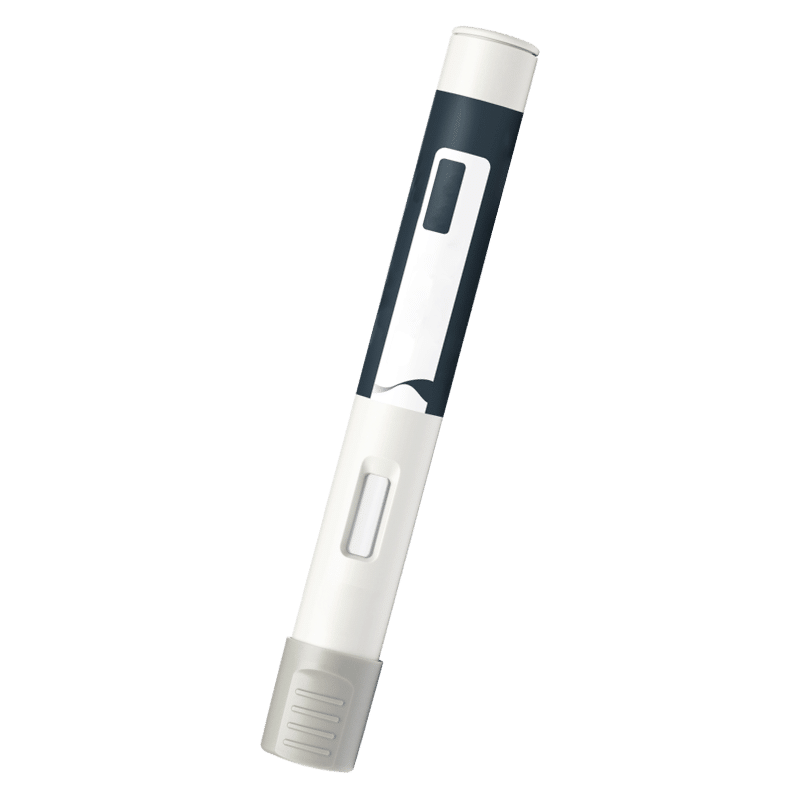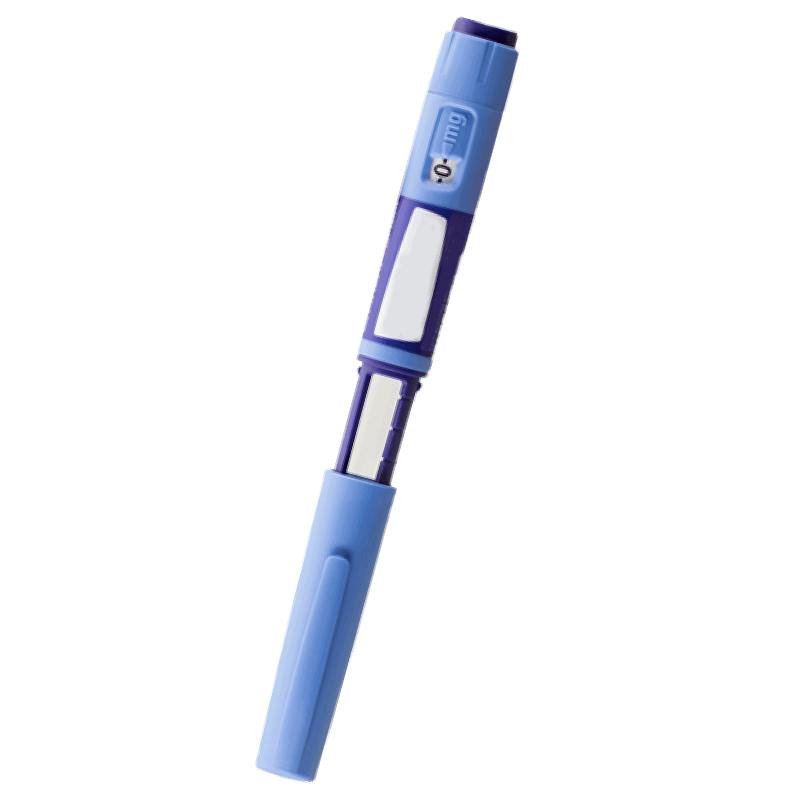
GLP-1 injections can help you lose a significant amount of weight, but once you stop taking them, many people experience weight gain. This is because GLP-1 injections are a temporary fix, while obesity is a chronic condition. So the underlying tendency toward hunger and cravings may return after treatment cessation.
But there are some things you can do to keep the weight off, such as gradually decreasing your dose, maintaining a higher protein diet, and keeping up resistance training.

After you stop using weight loss injections, your hunger typically returns more intensely than before. This happens because GLP-1 injections work by making you feel fuller and reducing your cravings and appetite, but once you stop, these effects are no longer present.
You won’t notice the changes immediately, as it takes time for the medicine to fully clear from your body. The process is gradual, but when your hunger starts to return, it can feel overwhelming.
GLP-1 is a hormone that interacts with your brain and gut to create a feeling of fullness. It does this in several ways, one of which is by suppressing the levels of ghrelin, the hunger hormone.
Ghrelin signals your brain when your stomach is empty, indicating that you need to eat, which is why it’s often referred to as the hunger hormone. High levels of GLP-1 reduce ghrelin levels, leading to appetite-suppressing effects, so you’ll feel full and satisfied.
Another important hormone in this process is leptin, which helps regulate hunger by decreasing appetite and promoting a sense of fullness. The effects of leptin are enhanced by GLP-1, making the overall appetite-suppressing effect more potent.
When you stop GLP-1, the suppression of ghrelin ends. As a result, ghrelin levels return to normal, causing an increase in hunger. Similarly, the enhanced appetite-suppressing effects of leptin also diminish. The rebound in hunger may feel more intense because your body has become accustomed to lower ghrelin levels while on GLP-1, making hunger feel stronger than it actually is.
Delayed gastric emptying is a mechanism of GLP-1 that helps with weight loss. It slows how quickly food leaves your stomach, keeping it in longer, which helps create feelings of fullness.
It does this by sending signals to the stomach that slow its natural churning action, while also signaling to the brain to suppress appetite. When GLP-1 treatment is stopped, these effects wear off, returning the movement of the stomach to its usual levels. As food leaves the stomach more quickly, it can contribute to an increase in hunger. These changes also occur relatively quickly; the resulting increase in appetite may feel particularly noticeable or unfamiliar.
Food noise is a term people use to describe persistent or intrusive thoughts about food, such as thinking about what to eat when you’re already eating or craving food even when you’re not physically hungry. It’s different from physical hunger: you can still be physically full yet still want food.
GLP-1 medications appear to suppress food cravings and the mental load of food for many people. They affect the areas of the brain involved in appetite and reward, while also slowing gastric emptying and increasing physical feelings of fullness.
When you stop taking GLP-1, your appetite and food cravings return as the medicine wears off. Many people report aversions to ultra-processed food and alcohol while on a GLP-1, but when the medication wears off, you may begin to choose these foods and drinks again. This can make maintaining weight loss more difficult and may contribute to weight regain.
Research shows that weight regain can begin soon after stopping GLP-1 medications, with some studies reporting significant gain as early as eight weeks. After a year of stopping treatment, up to 60% of the lost weight can be regained, although the amount varies between individuals and medications.
For example, after stopping semaglutide (Wegovy), participants in one study had regained an average of around 11.6% of their body weight one year after stopping treatment, after previously losing about 17.3% of their body weight during treatment. With tirzepatide (Zepbound), weight regain was up to 25%.
But this doesn’t necessarily mean that semaglutide is a better option than tirzepatide just because you don’t regain as much weight. Typically, you lose more weight with tirzepatide due to its dual effects, which might contribute to a higher percentage of weight gain later on. Other factors also influence weight regain, such as lifestyle changes after stopping treatment, as well as your hunger and appetite levels.
Although several people experience weight gain after stopping GLP-1 treatment, many do manage to keep the weight off.
If you’re stopping GLP-1 because of cost or side effects, speak to your clinician to discuss other options and alternative medications. Our clinicians are always ready to help, so if you have any questions, you can contact them online; they’ll do their best to answer them.
Mechanisms of GLP-1 receptor agonist-induced weight loss: A review of central and peripheral pathways in appetite and energy regulation. The American Journal of Medicine, 138(6).
Metabolic rebound after GLP-1 receptor agonist discontinuation: A systematic review and meta-analysis. EClinicalMedicine, 90, 103680.
Quieting "Food Noise": How GLP-1s and Mindfulness Rewire the Default Mode Network (DMN) and Reward Circuits. Cureus, 18(1), e100818.
Weight regain and cardiometabolic effects after withdrawal of semaglutide: The STEP 1 trial extension. Diabetes, Obesity and Metabolism, [online] 24(8), pp.1553–1564.
Cardiometabolic Parameter Change by Weight Regain on Tirzepatide Withdrawal in Adults With Obesity: A Post Hoc Analysis of the SURMOUNT-4 Trial. JAMA Internal Medicine, 186(2), 157.
Weight Regain After GLP-1-Based Therapy Discontinuation: Failure, Physiology, or Follow-Up Gap. Cureus, 18(2), e104259.
Sourcing guidelines:
When we present you with stats, data, opinion or a consensus, we’ll tell you where this came from. And we’ll only present data as clinically reliable if it’s come from a reputable source, such as a state or government-funded health body, a peer-reviewed medical journal, or a recognised analytics or data body. Read more in our editorial policy.
Have a subject you’d like us to cover in a future article? Let us know.
We're making healthcare more about you. Sign up to our newsletter for personalized health articles that make a difference.
Disclaimer: The information provided on this page is not a substitute for professional medical advice, diagnosis, or treatment. If you have any questions or concerns about your health, please talk to a doctor.
Authorised and Regulated by:
We couldn't find what you're looking for.
Here's everything we treat. Or, if you're looking for something we don't have yet, you can suggest something.
(And leave your email too, so we can let you know if we write an article based on your suggestion.)
By clicking 'Subscribe now' you're agreeing to our Privacy Policy.
(And leave your email too, so we can let you know if we write an article based on your suggestion.)
Last updated on Sep 18, 2026.
Our experts continually monitor new findings in health and medicine, and we update our articles when new info becomes available.
Sep 18, 2026
Published by: The Treated Content Team. Medically reviewed by: Mr Craig Marsh, Clinical ReviewerHow we source info.
When we present you with stats, data, opinion or a consensus, we’ll tell you where this came from. And we’ll only present data as clinically reliable if it’s come from a reputable source, such as a state or government-funded health body, a peer-reviewed medical journal, or a recognised analytics or data body. Read more in our editorial policy.
Clinical Reviewer
Pharmacy prescriber Craig is based in the UK and regularly reviews our content to ensure clinical accuracy. On pages he's checked, you'll see his reviewer card.
MeetHow we source info.
When we present you with stats, data, opinion or a consensus, we’ll tell you where this came from. And we’ll only present data as clinically reliable if it’s come from a reputable source, such as a state or government-funded health body, a peer-reviewed medical journal, or a recognised analytics or data body. Read more in our editorial policy.